跳至主要内容

Function and Benefits of Bacillus Thuringiensis

 Bacillus Thuringiensis (BT) is a naturally occurring soil bacterium that has been used as a biological insecticide for many years. It produces insecticidal proteins known as delta-endotoxins or Cry proteins, which are toxic to various insect larvae but are harmless to humans, animals, and most beneficial insects. Here are the main functions and benefits of Bacillus Thuringiensis:

Function and Benefits of Bacillus Thuringiensis

1.Insect pest control: Bacillus Thuringiensis is primarily used for its insecticidal properties. When ingested by susceptible insect larvae, the Cry proteins bind to receptors in the insect’s gut, leading to pore formation and ultimately causing the insect’s gut cells to lyse or rupture. This results in paralysis, starvation, and death of the pest.

2.Target specificity: One of the significant advantages of Bacillus Thuringiensis over conventional chemical insecticides is its specificity. Different strains of Bacillus Thuringiensis produce different Cry proteins, each of which targets specific groups of insects, such as caterpillars, mosquitoes, or beetles. This specificity minimizes harm to non-target organisms, including beneficial insects, birds, and mammals.

3.Environmental safety: Bacillus Thuringiensis is considered an environmentally friendly alternative to chemical insecticides. It naturally occurs in the soil and has a relatively short persistence in the environment. Once applied, the bacterium eventually breaks down, reducing its impact on the ecosystem.

4.Reduced chemical use: The use of Bacillus Thuringiensis can reduce the need for synthetic chemical insecticides, which can be harmful to the environment, non-target organisms, and human health. By employing Bacillus Thuringiensis, farmers and gardeners can adopt more sustainable pest control practices.
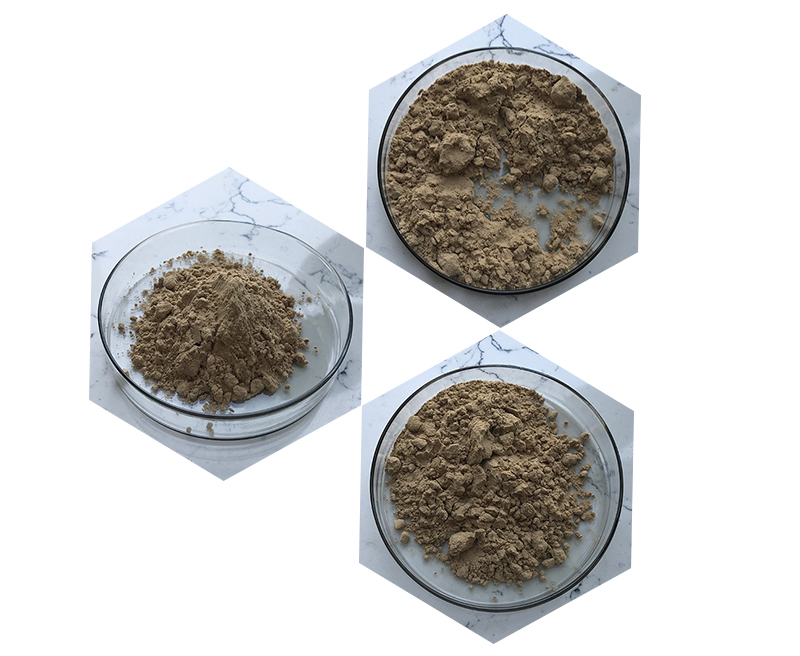
Function and Benefits of Bacillus Thuringiensis

5.Resistance management: Bacillus Thuringiensis-based insecticides can be used as part of an integrated pest management (IPM) strategy to combat insect resistance. Rotating Bacillus Thuringiensis with other control methods helps prevent insects from developing resistance to the Cry proteins.

6.Application flexibility: Bacillus Thuringiensis-based insecticides come in various formulations, including sprays, dusts, granules, and genetically modified crops. This versatility allows for different application methods depending on the target pest and the specific situation.

7.Organic farming: Bacillus Thuringiensis is approved for use in organic farming systems by many certification bodies. Its compatibility with organic practices makes it a valuable tool for organic growers seeking pest control solutions.

8.Public health benefits: Certain strains of Bacillus Thuringiensis are used to control disease-carrying mosquitoes, such as those responsible for transmitting malaria and dengue fever. This helps reduce the incidence of these diseases, particularly in regions where they are prevalent.
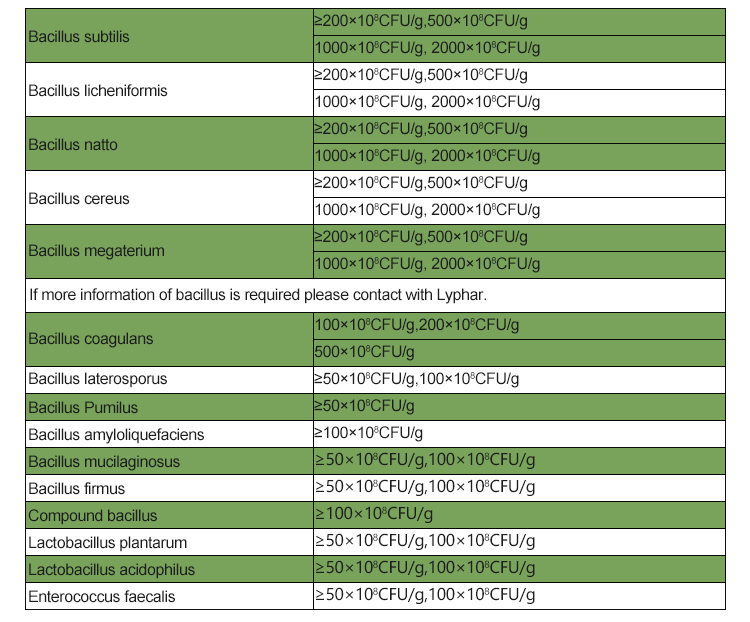
Function and Benefits of Bacillus Thuringiensis

Despite these benefits, it’s essential to use Bacillus Thuringiensis responsibly and in accordance with label instructions to maintain its efficacy and minimize potential impacts on non-target organisms. Additionally, monitoring for insect resistance and implementing appropriate management strategies are crucial to ensuring the long-term effectiveness of Bacillus Thuringiensis-based insecticides.

From cellsbio health technology co.,ltd

评论

此博客中的热门博文

How to use Coenzyme Q10 for best results?

Coenzyme Q10 , also known as CoQ10, is a naturally occurring antioxidant found in the cells of your body. It plays a vital role in energy production and is believed to have various health benefits. If you want to use Coenzyme Q10 for the best results, here are some guidelines: Consult with a Healthcare Professional: Before starting any new supplement regimen, it’s essential to consult with a healthcare professional, such as a doctor or registered dietitian. They can evaluate your specific health needs, recommend an appropriate dosage, and ensure it won’t interact with any medications or conditions you may have. Choose the Right Form and Dosage: Coenzyme Q10 supplements come in various forms, including ubiquinone and ubiquinol. Ubiquinol is the reduced form of Coenzyme Q10 and is often considered more bioavailable. Your healthcare provider can help you decide which form is best for you and recommend an appropriate dosage. Consider Your Goals: Coenzyme Q10 is used for various purpose...

Comprehensive study on White Willow Extract

Studying   white willow extract   involves exploring its botanical properties, historical uses, active compounds, potential health benefits, and safety considerations. Here’s a comprehensive overview: Botanical Overview: Scientific Name:  Salix alba Common Names:  White willow, European willow Description:  A deciduous tree native to Europe and Asia, known for its slender leaves and grayish bark. Active Compounds: Salicin:  Primary active compound, a natural precursor to salicylic acid. Flavonoids:  Including flavonols and catechins, contributing to antioxidant properties. Phenolic Glycosides:  Various compounds with potential health benefits. Historical Use: Traditional Medicine:  Used for centuries in traditional European and Asian medicine for pain relief, fever reduction, and inflammatory conditions. Health Benefits and Current Research: Pain Relief:  Acts similarly to aspirin in relieving pain and inflammation due to salicin’s conve...

What diseases is UDCA often used to treat?

  UDCA   (Ursodeoxycholic Acid) is commonly used to treat various liver and gallbladder diseases, particularly those involving bile flow and liver protection. Some of its main uses include: Primary Biliary Cholangitis (PBC)  – UDCA is the first-line treatment for this chronic liver disease, which causes bile duct inflammation and damage. Gallstone Dissolution  – It is used to dissolve small, cholesterol-based gallstones in patients who cannot undergo surgery. Primary Sclerosing Cholangitis (PSC)  – Though not a definitive cure, UDCA is sometimes used to improve bile flow in PSC patients. Cystic Fibrosis-Related Liver Disease (CFLD)  – UDCA helps manage bile flow issues in cystic fibrosis patients with liver involvement. Non-Alcoholic Fatty Liver Disease (NAFLD) and Non-Alcoholic Steatohepatitis (NASH)  – UDCA may have some benefit, though its role is still under investigation. Intrahepatic Cholestasis of Pregnancy (ICP)  – It is use...