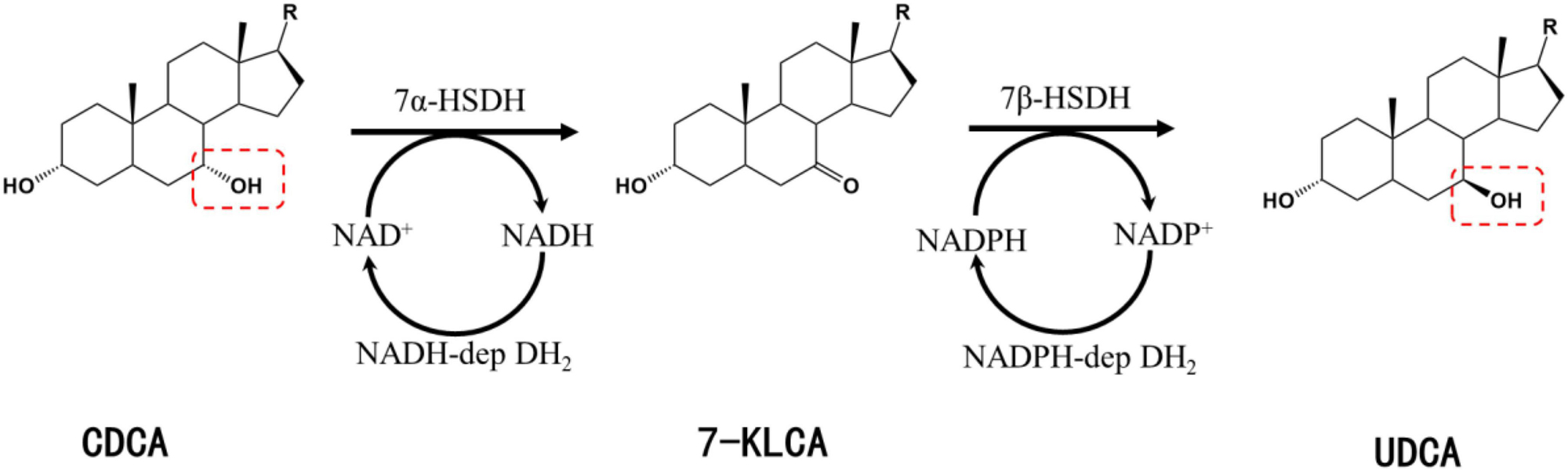
UDCA (Ursodeoxycholic Acid) is commonly used to treat various liver and gallbladder diseases, particularly those involving bile flow and liver protection. Some of its main uses include:
- Primary Biliary Cholangitis (PBC) – UDCA is the first-line treatment for this chronic liver disease, which causes bile duct inflammation and damage.
- Gallstone Dissolution – It is used to dissolve small, cholesterol-based gallstones in patients who cannot undergo surgery.
- Primary Sclerosing Cholangitis (PSC) – Though not a definitive cure, UDCA is sometimes used to improve bile flow in PSC patients.
- Cystic Fibrosis-Related Liver Disease (CFLD) – UDCA helps manage bile flow issues in cystic fibrosis patients with liver involvement.
- Non-Alcoholic Fatty Liver Disease (NAFLD) and Non-Alcoholic Steatohepatitis (NASH) – UDCA may have some benefit, though its role is still under investigation.
- Intrahepatic Cholestasis of Pregnancy (ICP) – It is used to relieve symptoms and reduce complications related to bile acid buildup in pregnancy.
- Graft-versus-Host Disease (GVHD) in the Liver – Sometimes used to protect liver function in transplant patients.
Would you like details on how UDCA works in these conditions?
What is the role of UDCA in gallstone treatment?
UDCA (Ursodeoxycholic Acid) is used in the treatment of gallstones, particularly cholesterol gallstones, in patients who are not candidates for surgery (cholecystectomy). Its role in gallstone treatment includes:
- Gallstone Dissolution – UDCA reduces cholesterol saturation in bile by decreasing cholesterol secretion and increasing bile acid concentration. This helps dissolve small, radiolucent (cholesterol) gallstones over time.
- Prevention of Gallstone Formation – UDCA is sometimes used to prevent gallstone formation, particularly in high-risk patients (e.g., those undergoing rapid weight loss or bariatric surgery).
- Cholestatic Liver Disease Management – In conditions like primary biliary cholangitis (PBC), UDCA helps improve bile flow and reduce liver damage.
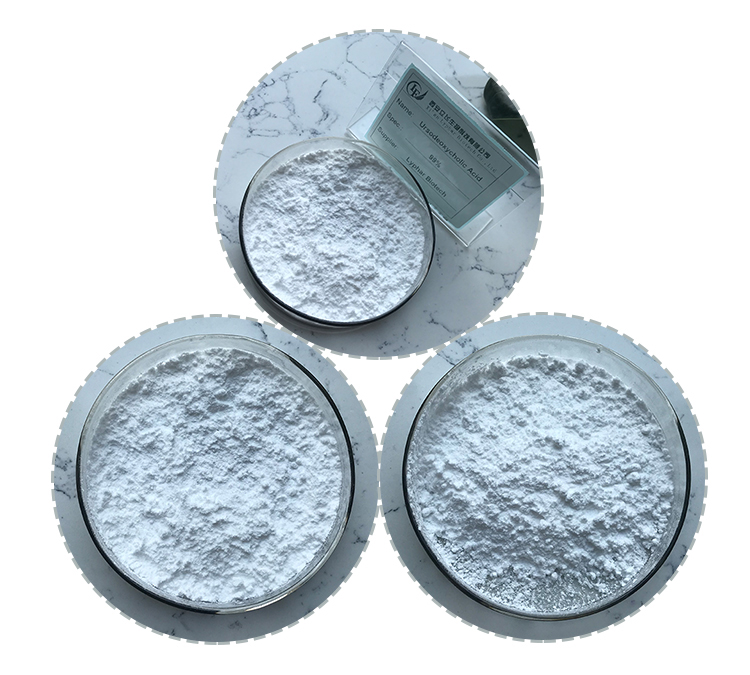
UDCA treatment is most effective for small, non-calcified cholesterol gallstones in a functioning gallbladder. However, dissolution can take months to years, and gallstones may recur after discontinuation of therapy.
评论
发表评论