跳至主要内容

Comprehensive study on Bacillus Megaterium

 As of my last update in September 2021, Bacillus megaterium is a species of Gram-positive, rod-shaped bacteria that belongs to the Bacillus genus. It is known for its large size among the Bacillus species and has been extensively studied due to its significant biotechnological potential and diverse applications. Here is a comprehensive overview of Bacillus Megaterium based on the information available up to September 2021:
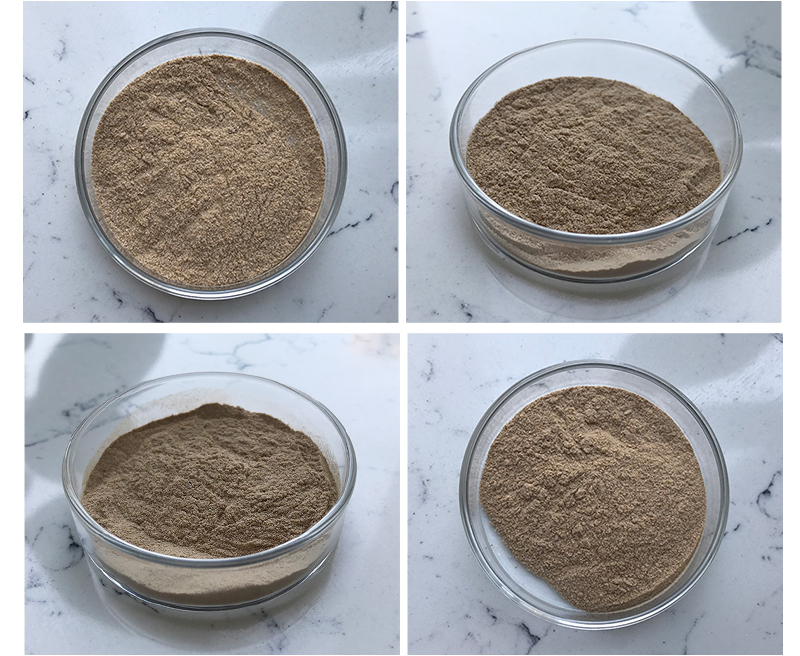
Comprehensive study on Bacillus Megaterium

Taxonomy and Morphology:

Bacillus Megaterium is a member of the phylum Firmicutes, class Bacilli, order Bacillales, and family Bacillaceae. The species name “megaterium” is derived from the Greek words “mega” (large) and “terion” (little animal), referring to its relatively large size compared to other Bacillus species. It appears as Gram-positive, endospore-forming, and rod-shaped bacteria.

Habitat and Distribution:

Bacillus Megaterium is a versatile bacterium found in various environments, including soil, water, air, and decaying organic matter. It is considered ubiquitous and can thrive in different ecological niches.

Biotechnological Applications:

Bacillus Megaterium has gained considerable attention in biotechnology due to its robust characteristics and the ability to produce various enzymes and metabolites with industrial relevance. Some of its applications include:

  • a. Enzyme Production: Bacillus Megaterium can produce several enzymes, such as amylases, proteases, lipases, cellulases, and xylanases, which are valuable in industries like food, detergent, textile, and biofuel production.
  • b. Biocontrol Agent: Some strains of Bacillus Megaterium have shown potential as biocontrol agents, helping to suppress plant diseases by inhibiting the growth of pathogenic microorganisms.
  • c. Bioremediation: The bacterium can play a role in bioremediation processes by degrading pollutants, such as hydrocarbons and heavy metals, from contaminated environments.
  • d. Protein Expression System: Bacillus Megaterium is used as a host for heterologous protein expression due to its ability to secrete recombinant proteins in large quantities.
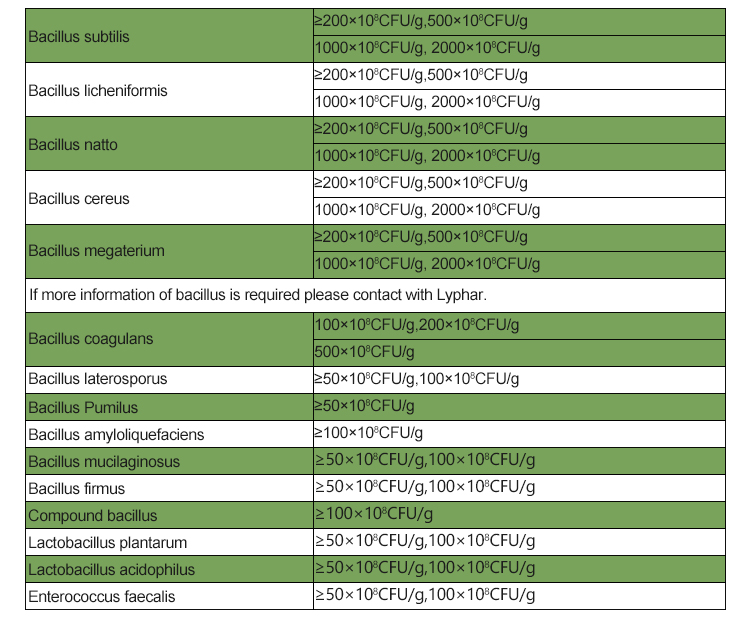
Comprehensive study on Bacillus Megaterium

Genetic and Genomic Features:

Bacillus Megaterium has a relatively large genome, typically consisting of a single circular chromosome. The genome encodes numerous genes associated with various metabolic pathways and adaptive functions, contributing to its wide range of applications.

Research and Studies:

Numerous research studies have focused on understanding the biology, genetics, and biotechnological potential of Bacillus Megaterium. Scientists have investigated its gene regulation, stress responses, spore formation, and interactions with other organisms. Additionally, genetic engineering and synthetic biology techniques have been employed to improve its performance for specific applications.

It is essential to note that research in the field of microbiology is continuously evolving, and new findings might have emerged after my last update in September 2021. To obtain the most current and comprehensive information on Bacillus Megaterium, I recommend referring to scientific journals, research papers, and databases available beyond that date.

From cellsbio health technology co.,ltd

评论

此博客中的热门博文

How to use Coenzyme Q10 for best results?

Coenzyme Q10 , also known as CoQ10, is a naturally occurring antioxidant found in the cells of your body. It plays a vital role in energy production and is believed to have various health benefits. If you want to use Coenzyme Q10 for the best results, here are some guidelines: Consult with a Healthcare Professional: Before starting any new supplement regimen, it’s essential to consult with a healthcare professional, such as a doctor or registered dietitian. They can evaluate your specific health needs, recommend an appropriate dosage, and ensure it won’t interact with any medications or conditions you may have. Choose the Right Form and Dosage: Coenzyme Q10 supplements come in various forms, including ubiquinone and ubiquinol. Ubiquinol is the reduced form of Coenzyme Q10 and is often considered more bioavailable. Your healthcare provider can help you decide which form is best for you and recommend an appropriate dosage. Consider Your Goals: Coenzyme Q10 is used for various purpose...

Comprehensive study on White Willow Extract

Studying   white willow extract   involves exploring its botanical properties, historical uses, active compounds, potential health benefits, and safety considerations. Here’s a comprehensive overview: Botanical Overview: Scientific Name:  Salix alba Common Names:  White willow, European willow Description:  A deciduous tree native to Europe and Asia, known for its slender leaves and grayish bark. Active Compounds: Salicin:  Primary active compound, a natural precursor to salicylic acid. Flavonoids:  Including flavonols and catechins, contributing to antioxidant properties. Phenolic Glycosides:  Various compounds with potential health benefits. Historical Use: Traditional Medicine:  Used for centuries in traditional European and Asian medicine for pain relief, fever reduction, and inflammatory conditions. Health Benefits and Current Research: Pain Relief:  Acts similarly to aspirin in relieving pain and inflammation due to salicin’s conve...

What diseases is UDCA often used to treat?

  UDCA   (Ursodeoxycholic Acid) is commonly used to treat various liver and gallbladder diseases, particularly those involving bile flow and liver protection. Some of its main uses include: Primary Biliary Cholangitis (PBC)  – UDCA is the first-line treatment for this chronic liver disease, which causes bile duct inflammation and damage. Gallstone Dissolution  – It is used to dissolve small, cholesterol-based gallstones in patients who cannot undergo surgery. Primary Sclerosing Cholangitis (PSC)  – Though not a definitive cure, UDCA is sometimes used to improve bile flow in PSC patients. Cystic Fibrosis-Related Liver Disease (CFLD)  – UDCA helps manage bile flow issues in cystic fibrosis patients with liver involvement. Non-Alcoholic Fatty Liver Disease (NAFLD) and Non-Alcoholic Steatohepatitis (NASH)  – UDCA may have some benefit, though its role is still under investigation. Intrahepatic Cholestasis of Pregnancy (ICP)  – It is use...