跳至主要内容

Berberine HCL is role and benefits

 Berberine HCL is a natural compound found in several plants, including the Berberis genus, which includes plants like barberry, goldenseal, and Oregon grape. It has been used for centuries in traditional medicine, particularly in various Asian medical systems like Ayurveda and Traditional Chinese Medicine (TCM).
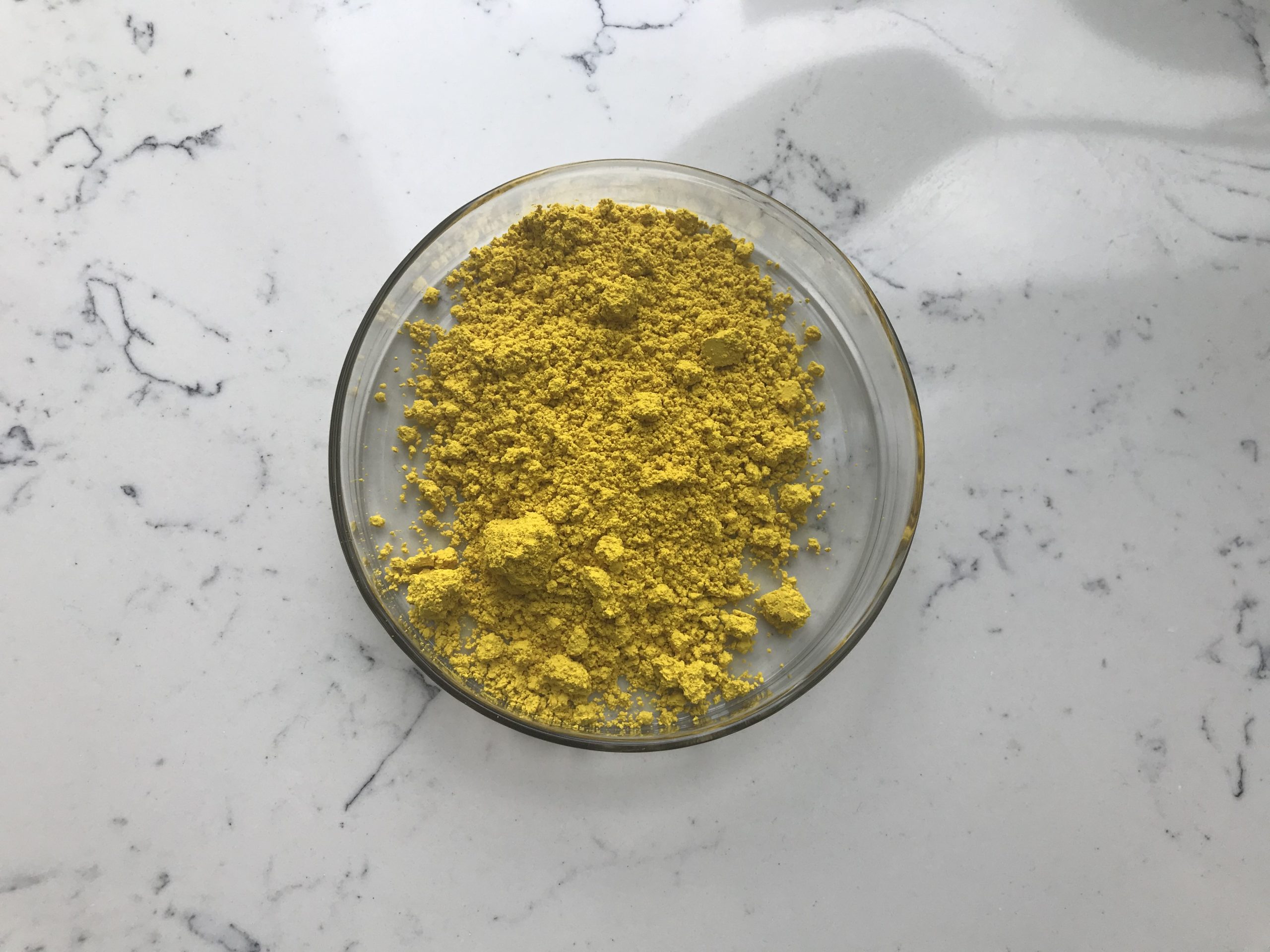
Berberine HCL is role and benefits

Role of Berberine HCL:

Berberine HCL has gained attention in modern times due to its potential health benefits and therapeutic properties. Some of its key roles include:

1.Metabolic Support: Berberine is known for its ability to support healthy blood sugar levels and improve insulin sensitivity, making it beneficial for individuals with type 2 diabetes or insulin resistance.

2.Cardiovascular Support: Studies have suggested that berberine may help lower cholesterol levels, reduce triglycerides, and improve overall heart health, which can potentially reduce the risk of cardiovascular diseases.
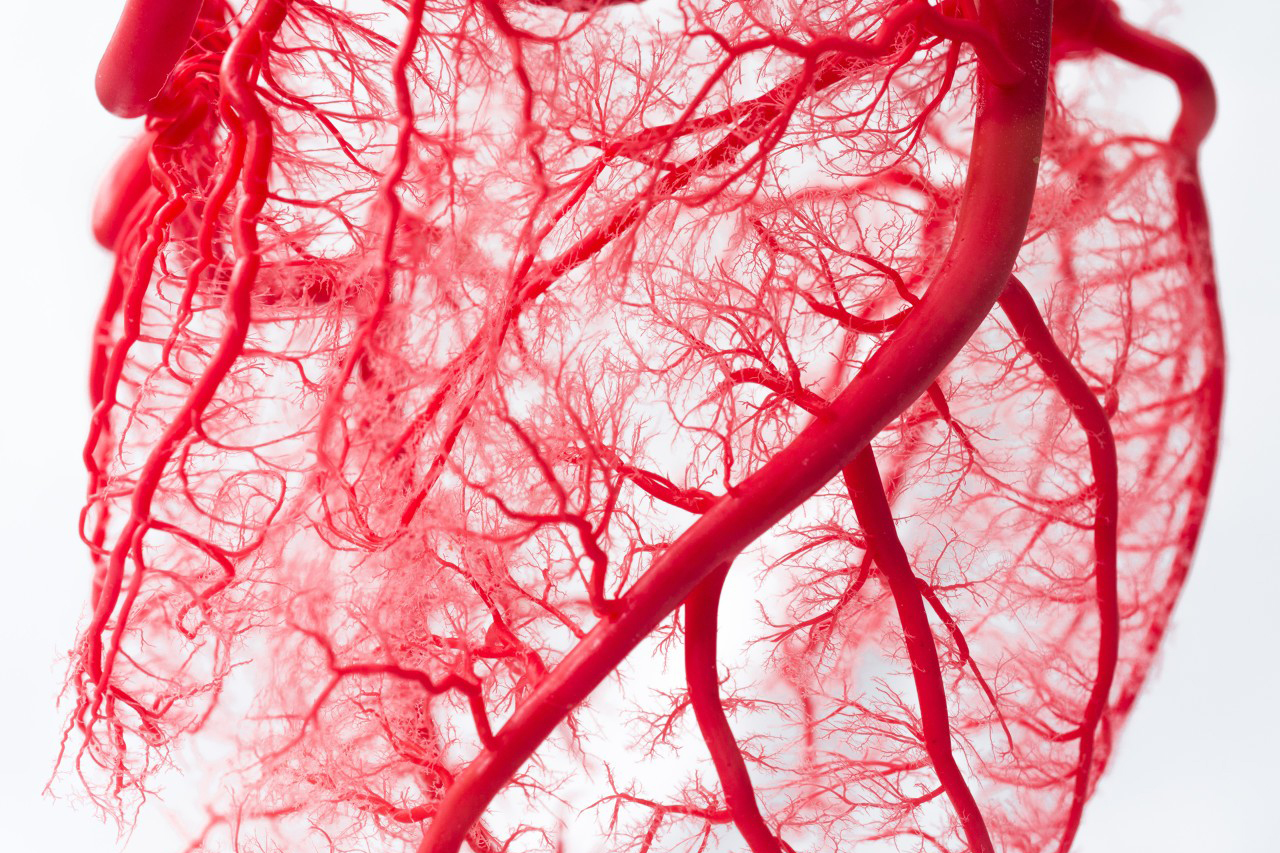
Berberine HCL is role and benefits

3.Weight Management: Berberine may aid in weight loss by increasing the metabolism of brown fat and affecting various cellular pathways involved in fat regulation.

4.Anti-inflammatory Actions: It exhibits anti-inflammatory effects, which can be useful in managing conditions associated with inflammation.

5.Antimicrobial Properties: Berberine has shown antimicrobial properties and may be effective against various bacteria, viruses, fungi, and parasites.

6.Digestive Health: Berberine has been used to support digestive health, particularly in cases of diarrhea and gastrointestinal infections.

7.Antioxidant Activity: It acts as an antioxidant, helping to protect cells from oxidative stress and free radical damage.

Benefits of Berberine HCL:

Based on scientific research and traditional use, the potential benefits of Berberine HCL include:

1.Diabetes Management: Berberine has shown promise in helping to regulate blood sugar levels and improve insulin sensitivity in individuals with type 2 diabetes.

2.Heart Health: Its positive effects on cholesterol levels and blood pressure may contribute to improved cardiovascular health.

3.Weight Loss: Some studies suggest that berberine may aid in weight management by influencing fat metabolism and reducing fat storage.

4.Gut Health: Berberine’s antimicrobial and anti-inflammatory properties may benefit various gastrointestinal issues.

5.Polycystic Ovarian Syndrome (PCOS): Berberine may help improve hormonal balance and menstrual regularity in women with PCOS.

6.Neuroprotection: Research indicates that berberine may have neuroprotective properties, potentially benefiting brain health.

It’s essential to note that while Berberine HCL shows promise in various health areas, more research is still needed to fully understand its mechanisms of action and long-term effects. If you’re considering using Berberine HCL as a supplement or for a specific health condition, it’s crucial to consult with a healthcare professional to determine the appropriate dosage and ensure it’s safe for your individual health needs, especially if you have any pre-existing medical conditions or are taking medications.

From cellsbio health technology co.,ltd

评论

此博客中的热门博文

How to use Coenzyme Q10 for best results?

Coenzyme Q10 , also known as CoQ10, is a naturally occurring antioxidant found in the cells of your body. It plays a vital role in energy production and is believed to have various health benefits. If you want to use Coenzyme Q10 for the best results, here are some guidelines: Consult with a Healthcare Professional: Before starting any new supplement regimen, it’s essential to consult with a healthcare professional, such as a doctor or registered dietitian. They can evaluate your specific health needs, recommend an appropriate dosage, and ensure it won’t interact with any medications or conditions you may have. Choose the Right Form and Dosage: Coenzyme Q10 supplements come in various forms, including ubiquinone and ubiquinol. Ubiquinol is the reduced form of Coenzyme Q10 and is often considered more bioavailable. Your healthcare provider can help you decide which form is best for you and recommend an appropriate dosage. Consider Your Goals: Coenzyme Q10 is used for various purpose...

Comprehensive study on White Willow Extract

Studying   white willow extract   involves exploring its botanical properties, historical uses, active compounds, potential health benefits, and safety considerations. Here’s a comprehensive overview: Botanical Overview: Scientific Name:  Salix alba Common Names:  White willow, European willow Description:  A deciduous tree native to Europe and Asia, known for its slender leaves and grayish bark. Active Compounds: Salicin:  Primary active compound, a natural precursor to salicylic acid. Flavonoids:  Including flavonols and catechins, contributing to antioxidant properties. Phenolic Glycosides:  Various compounds with potential health benefits. Historical Use: Traditional Medicine:  Used for centuries in traditional European and Asian medicine for pain relief, fever reduction, and inflammatory conditions. Health Benefits and Current Research: Pain Relief:  Acts similarly to aspirin in relieving pain and inflammation due to salicin’s conve...

What diseases is UDCA often used to treat?

  UDCA   (Ursodeoxycholic Acid) is commonly used to treat various liver and gallbladder diseases, particularly those involving bile flow and liver protection. Some of its main uses include: Primary Biliary Cholangitis (PBC)  – UDCA is the first-line treatment for this chronic liver disease, which causes bile duct inflammation and damage. Gallstone Dissolution  – It is used to dissolve small, cholesterol-based gallstones in patients who cannot undergo surgery. Primary Sclerosing Cholangitis (PSC)  – Though not a definitive cure, UDCA is sometimes used to improve bile flow in PSC patients. Cystic Fibrosis-Related Liver Disease (CFLD)  – UDCA helps manage bile flow issues in cystic fibrosis patients with liver involvement. Non-Alcoholic Fatty Liver Disease (NAFLD) and Non-Alcoholic Steatohepatitis (NASH)  – UDCA may have some benefit, though its role is still under investigation. Intrahepatic Cholestasis of Pregnancy (ICP)  – It is use...