跳至主要内容

What skin conditions can Azelaic Acid treat?


Treatment of Rosacea with Azelaic Acid

Rosacea, also known as ‘rum nose’, is a chronic recurrent inflammatory disease prevalent in the central part of the face, primarily affecting facial blood vessels, nerves, and hair follicle skin swelling units. It is characterized by transient facial skin flushing, persistent erythema or papules, ulcers, capillary dilation, and in some cases, hypertrophic growth and ocular changes. The definite cause and pathogenesis of rosacea are not entirely clear yet.

According to the Chinese Rosacea Treatment Guidelines (2021 edition), Azelaic Acid is recommended for the treatment of rosacea. This recommendation is based on the fact that Azelaic Acid can sufficiently reduce the release of acid 5 and the display of antimicrobial activity from cell sour protein fermentation, as well as inhibit the release of ultraviolet-induced cytokines, thereby improving rosacea. Commonly used in concentrations of 10%, 15%, or 20% in creams or gels, applied twice daily.
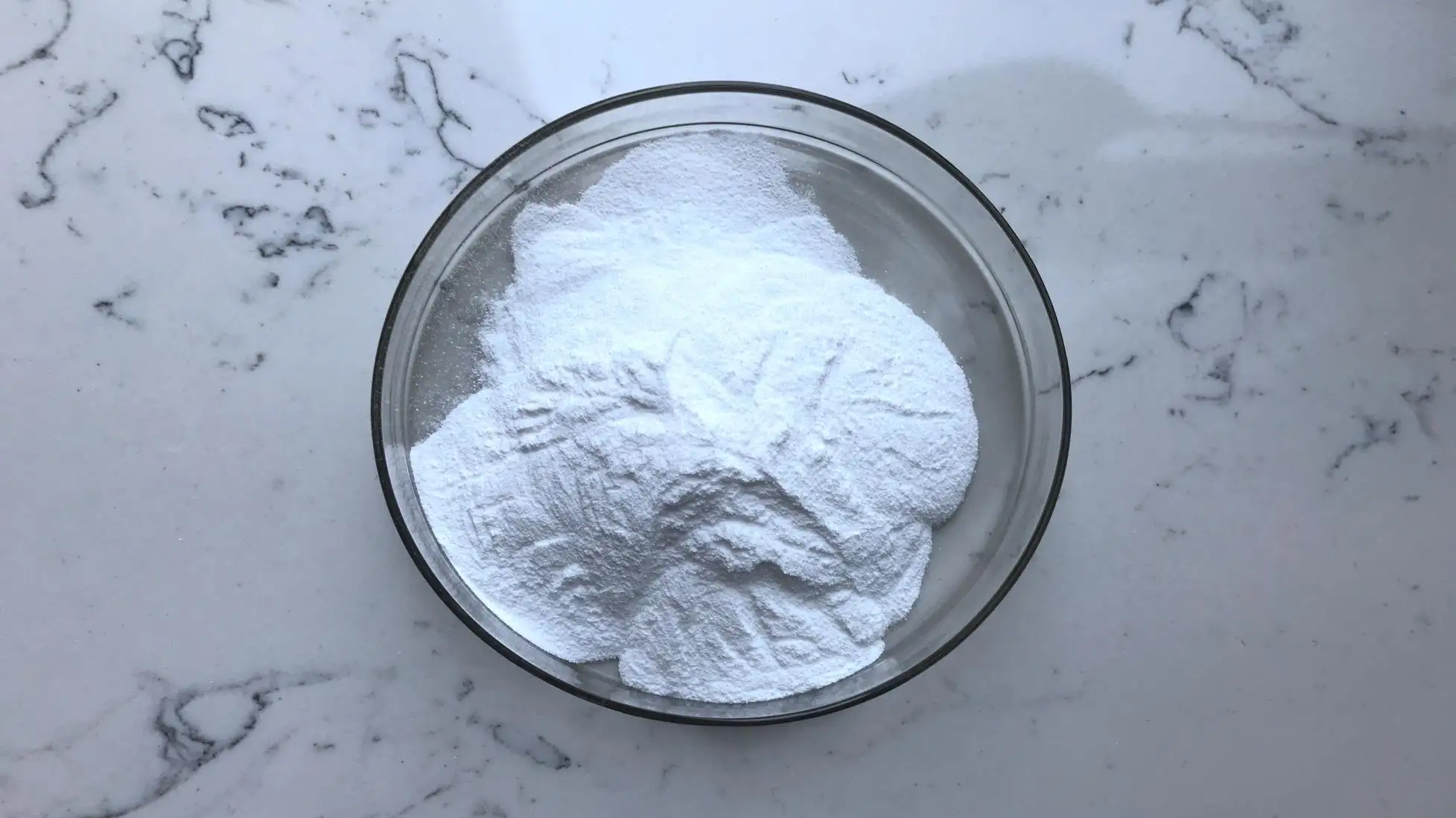
What skin conditions can Azelaic Acid treat?

Azelaic Acid in Acne Treatment

Acne is a chronic inflammatory disease that mainly affects the hair follicle swelling units, especially on the face, back, and chest areas, where skin swelling is more common, and often occurs in spring. The primary pathological features of acne include abnormal keratinization of the hair follicle sebaceous duct, inflammation, and immune response. The mechanism of acne is not fully understood yet, but it is associated with excessive skin fat diversion induced by glucocorticoid stimulation under a genetic background, abnormal keratinization of the hair follicle sebaceous duct, the proliferation of acne propionic bacteria and other hair follicle microbes, and related inflammation and immune responses.

The Chinese Acne Treatment Guidelines (2019 revision) recommend Azelaic Acid, which has antimicrobial activity against Propionibacterium acne and anti-inflammatory or mild desquamation effects, as a second-line topical drug for mild to moderate acne.

Azelaic Acid in the Treatment of Melasma

Melasma, also known as “butterfly spot”, is a chronic, acquired facial pigmentation disorder. It clinically manifests as patches of varying shades of brown with ill-defined borders, symmetrically distributed on the face, forehead, and lower face. The face is the most common location, followed by butterfly-like distribution. The three major causes of melasma are genetic susceptibility, sunlight exposure, and hormonal changes. Increased melanin synthesis, the proliferation of blood vessels in the lesion, inflammation, dysbiosis, vascular factors, and impaired epidermal barrier are all associated with the occurrence of melasma.

The Chinese Professional Knowledge of Melasma Treatment (2021 edition) recommends the external use of 15% to 20% Azelaic Acid cream for the treatment of melasma, applied twice daily for about six months, mainly for monochrome type melasma.

From cellsbio health technology co.,ltd

评论

此博客中的热门博文

How to use Coenzyme Q10 for best results?

Coenzyme Q10 , also known as CoQ10, is a naturally occurring antioxidant found in the cells of your body. It plays a vital role in energy production and is believed to have various health benefits. If you want to use Coenzyme Q10 for the best results, here are some guidelines: Consult with a Healthcare Professional: Before starting any new supplement regimen, it’s essential to consult with a healthcare professional, such as a doctor or registered dietitian. They can evaluate your specific health needs, recommend an appropriate dosage, and ensure it won’t interact with any medications or conditions you may have. Choose the Right Form and Dosage: Coenzyme Q10 supplements come in various forms, including ubiquinone and ubiquinol. Ubiquinol is the reduced form of Coenzyme Q10 and is often considered more bioavailable. Your healthcare provider can help you decide which form is best for you and recommend an appropriate dosage. Consider Your Goals: Coenzyme Q10 is used for various purpose...

Comprehensive study on White Willow Extract

Studying   white willow extract   involves exploring its botanical properties, historical uses, active compounds, potential health benefits, and safety considerations. Here’s a comprehensive overview: Botanical Overview: Scientific Name:  Salix alba Common Names:  White willow, European willow Description:  A deciduous tree native to Europe and Asia, known for its slender leaves and grayish bark. Active Compounds: Salicin:  Primary active compound, a natural precursor to salicylic acid. Flavonoids:  Including flavonols and catechins, contributing to antioxidant properties. Phenolic Glycosides:  Various compounds with potential health benefits. Historical Use: Traditional Medicine:  Used for centuries in traditional European and Asian medicine for pain relief, fever reduction, and inflammatory conditions. Health Benefits and Current Research: Pain Relief:  Acts similarly to aspirin in relieving pain and inflammation due to salicin’s conve...

What diseases is UDCA often used to treat?

  UDCA   (Ursodeoxycholic Acid) is commonly used to treat various liver and gallbladder diseases, particularly those involving bile flow and liver protection. Some of its main uses include: Primary Biliary Cholangitis (PBC)  – UDCA is the first-line treatment for this chronic liver disease, which causes bile duct inflammation and damage. Gallstone Dissolution  – It is used to dissolve small, cholesterol-based gallstones in patients who cannot undergo surgery. Primary Sclerosing Cholangitis (PSC)  – Though not a definitive cure, UDCA is sometimes used to improve bile flow in PSC patients. Cystic Fibrosis-Related Liver Disease (CFLD)  – UDCA helps manage bile flow issues in cystic fibrosis patients with liver involvement. Non-Alcoholic Fatty Liver Disease (NAFLD) and Non-Alcoholic Steatohepatitis (NASH)  – UDCA may have some benefit, though its role is still under investigation. Intrahepatic Cholestasis of Pregnancy (ICP)  – It is use...