What is copper peptide powder?
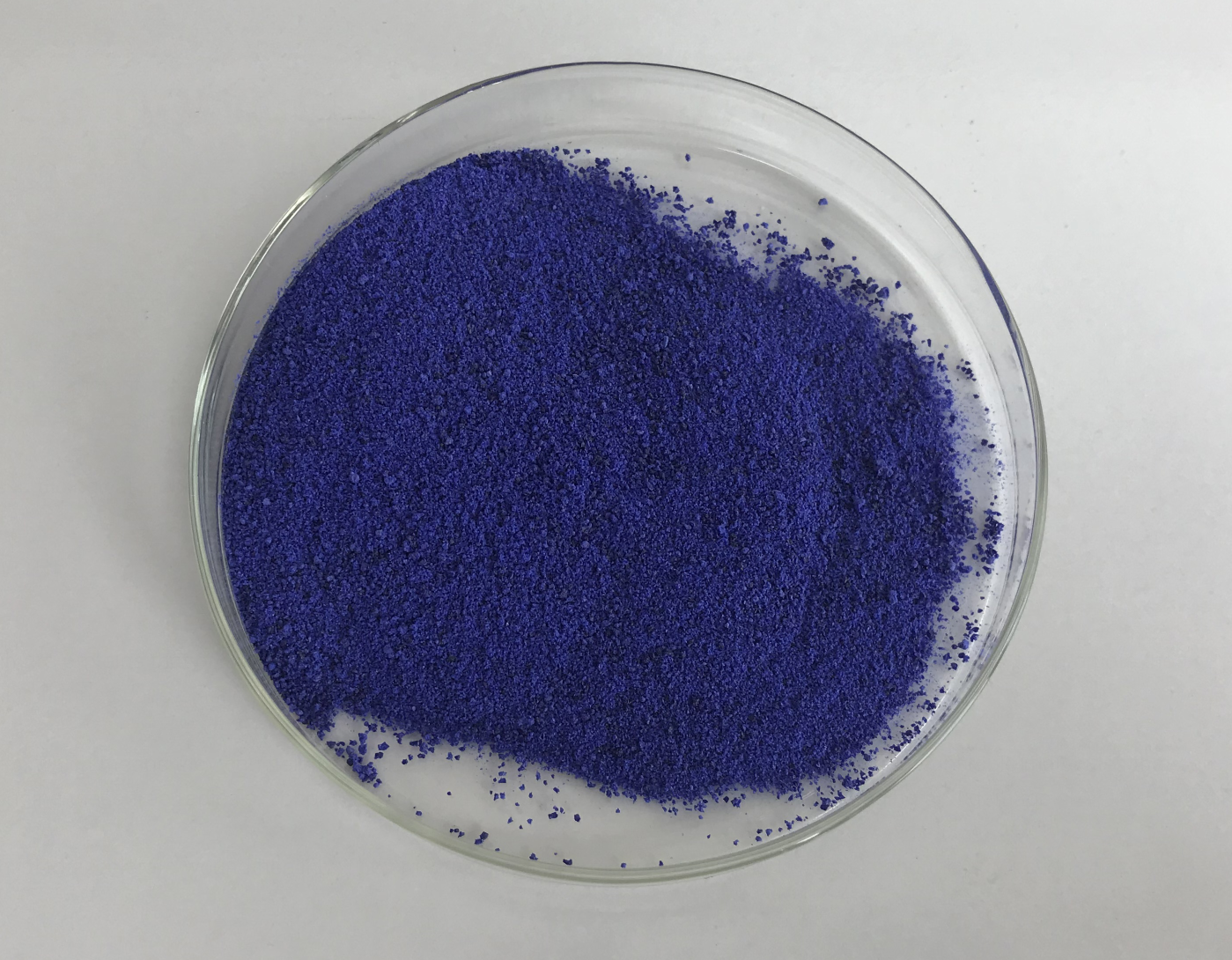
Copper peptide powder is a compound that consists of a small protein fragment called a peptide bound to copper ions. Peptides are short chains of amino acids, the building blocks of proteins. Copper peptides have gained attention in the field of skincare and cosmetics due to their potential benefits for the skin.
Copper peptides occur naturally in the body and play various roles in biological processes. In skincare, copper peptides are believed to have several beneficial effects on the skin.
What is the prospect of copper peptide powder?
Stimulation of collagen and elastin production: Collagen and elastin are proteins that provide structure and elasticity to the skin. Copper peptides have been suggested to promote the synthesis of collagen and elastin, potentially leading to improved skin firmness and elasticity.
Antioxidant activity: Copper peptides possess antioxidant properties, which means they can help neutralize harmful free radicals in the skin. Free radicals are unstable molecules that can cause oxidative damage to cells, including the skin cells. By scavenging these free radicals, copper peptides may help protect the skin from premature aging and damage.
Wound healing: Copper peptides have been studied for their potential to accelerate wound healing. They may help in the formation of new blood vessels and the production of certain growth factors that are crucial for the wound healing process.
Anti-inflammatory effects: Inflammation is a common factor in various skin conditions, including acne and rosacea. Copper peptides have shown anti-inflammatory properties, which may help reduce redness and inflammation in the skin.
Copper peptide powder can be found in various skincare products such as creams, serums, and masks. It is important to note that while copper peptides have shown promise in some studies, more research is needed to fully understand their effectiveness and potential side effects. If you are considering using copper peptide products, it is advisable to consult with a dermatologist or skincare professional for personalized advice.
How to use Copper peptide well?
When using copper peptide powder products, it is important to follow the instructions provided by the manufacturer. Here are some general guidelines for using copper peptides effectively:
Patch Test: Before applying a copper peptide product to your entire face or a large area, perform a patch test on a small, inconspicuous area of skin. Apply a small amount of the product and wait 24-48 hours to observe any adverse reactions such as redness, irritation, or itching. If any negative reactions occur, discontinue use.
Cleanse the Skin: Start with a clean and dry face. Use a gentle cleanser to remove any dirt, oil, or makeup from the skin. Pat your face dry with a clean towel.
Application: Follow the specific instructions provided with the copper peptide product you are using. Typically, a small amount of the product is applied to the desired area of the face or body. Gently massage or pat the product into the skin until it is absorbed. Avoid getting the product into the eyes or mucous membranes.
Frequency of Use: Copper peptide products are typically used once or twice a day. However, it’s important to read the instructions and recommendations provided with your specific product, as the frequency of use can vary depending on the formulation and concentration.
Combination with Other Products: Copper peptide products can be used in combination with other skincare products, such as moisturizers or serums. However, it is generally recommended to apply the copper peptide product first, allowing it to be absorbed into the skin before applying other products.
Sun Protection: It is important to use sunscreen during the day when using copper peptide products, as they may increase the skin’s sensitivity to the sun. Apply a broad-spectrum sunscreen with an SPF of 30 or higher to protect your skin from harmful UV rays.
Consistency: Consistent use of copper peptide products is key to achieving potential benefits. Results may take time, so it is important to be patient and incorporate the product into your skincare routine for an extended period.
Professional Advice: If you have any specific concerns, skin conditions, or are using other skincare products or medications, it is advisable to consult with a dermatologist or skincare professional. They can provide personalized guidance on how to best incorporate copper peptide products into your skincare routine based on your individual needs.
Remember, these guidelines are general and may vary depending on the specific copper peptide product you are using. Always refer to the instructions provided by the manufacturer and consult with a professional if you have any questions or concerns.
From cellsbio health technology co.,ltd
评论
发表评论