Chuanxiong: An Overview
Chuanxiong, a perennial herb, stands 40 to 60 cm high. The plant features a developed rootstock, forming irregular nodular fist-like clusters that emit a strong fragrance. Its stem, cylindrical with longitudinal stripes, is erect, branched at the top, with the lower section swollen into a disc-like shape. Leaves at the base of the stem have stems 3 to 10 cm long, broadened into sheaths at the base. The leaf blade is ovate-triangular in outline, 12 to 15 cm long, and 10 to 15 cm wide. The leaf is 3 to 4 times ternately lobed, with 4 to 5 pairs of pinnae, ovate-lanceolate, 6 to 7 cm long, 5 to 6 cm wide. The ultimate lobes are linear-lanceolate to elongate ovate, 2 to 5 mm long, 1 to 2 mm wide, and with small pointed tips.
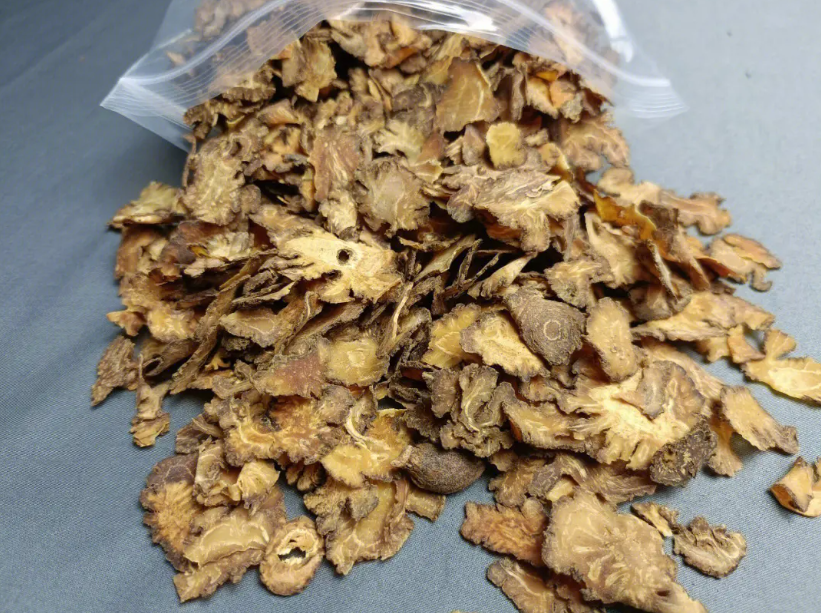
Medicinal Uses and Chemical Composition
The medicinal part of Chuanxiong is the dried rhizome of the Umbelliferae plant Ligusticum chuanxiong Hort. Primarily found in regions with a temperate climate such as Yunnan, Guizhou, and Guangxi in China. It is often used to promote the movement of Qi, expel wind-damp, activate blood, and alleviate pain. The plant’s properties are used to treat wind-cold headaches, dizziness, abdominal pain, spasms due to cold-dampness, amenorrhea, difficult labor, postpartum stasis and pain, boils, and sores. It is also applied in cases of menstrual irregularities, dysmenorrhea, abdominal pain, chest pain, contusions and swelling, headache, and rheumatoid arthritis. The main chemical components include Ligustilide, Senkyunolide, Butylphthalide, Tetramethylpyrazine, Ferulic Acid, and more.
Various Extraction Methods
The extraction of Chuanxiong involves a variety of techniques, including water immersion, Soxhlet reflux, decoction, organic solvent extraction, and others. However, ultrasonic extraction technology has the potential to increase the yield of the extracted components and shorten the extraction time. This technique can extract almost all of the required components from the material in a very short time, significantly improving the product yield and resource utilization rate, shortening the production cycle, saving raw materials, and enhancing the economic benefits.
Ultrasonic Extraction Method
The advantage of ultrasonic extraction lies in its high content of active ingredients in the extract, beneficial for further formulation and separation. The process doesn’t require heating, making it suitable for extracting low-temperature components. With the appropriate ultrasonic extraction method, the chemical structure of the extracted components remains unaltered. The resulting chemical components and structures obtained through suitable ultrasonic extraction will not be damaged, ensuring the stability of active ingredients and product quality, and enhancing the product grade. Ultrasonic extraction technology is easy to operate, and it extracts thoroughly, making full use of Chinese medicine resources. It can save energy, reduce the use of extraction solvents, thereby preventing solvent-related environmental pollution.
Optimization of Ultrasonic Extraction
Ultrasonic extraction technology simplifies the process flow, increases production speed, reduces production costs, and improves the economic benefits of enterprises. It represents a new method of extraction and separation preparation, improving the cumbersome traditional extraction process. The research herein adopts an orthogonal design experiment to optimize the extraction of Ferulic Acid from Chuanxiong using ultrasonic technology.
From cellsbio health technology co.,ltd
评论
发表评论