The basic ingredient of Arachidonic Acid is a polyunsaturated fatty acid (PUFA). Specifically, it is a 20-carbon long omega-6 fatty acid. Arachidonic Acid is an essential fatty acid, which means the human body cannot synthesize it and must obtain it from the diet.
Once consumed in the diet, Arachidonic Acid serves as a precursor for various signaling molecules called eicosanoids. These eicosanoids play essential roles in inflammatory responses, blood clotting, and other physiological processes. Arachidonic Acid is found in various food sources, such as meat, eggs, and certain oils.
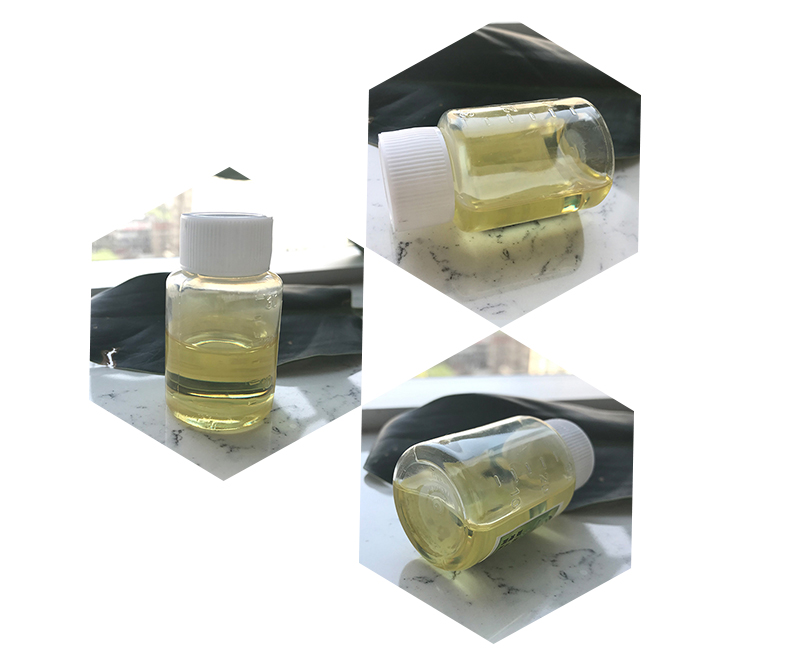
The processing process of Arachidonic Acid
Arachidonic Acid (AA) is an essential polyunsaturated fatty acid (PUFA) found in cell membranes, and it plays a crucial role in various physiological processes, including inflammation and signaling pathways. The processing of Arachidonic Acid involves enzymatic conversion into different bioactive compounds called eicosanoids. Eicosanoids are a class of signaling molecules that include prostaglandins, thromboxanes, and leukotrienes, among others. These compounds are involved in the regulation of inflammatory responses, blood clotting, and other important functions in the body.
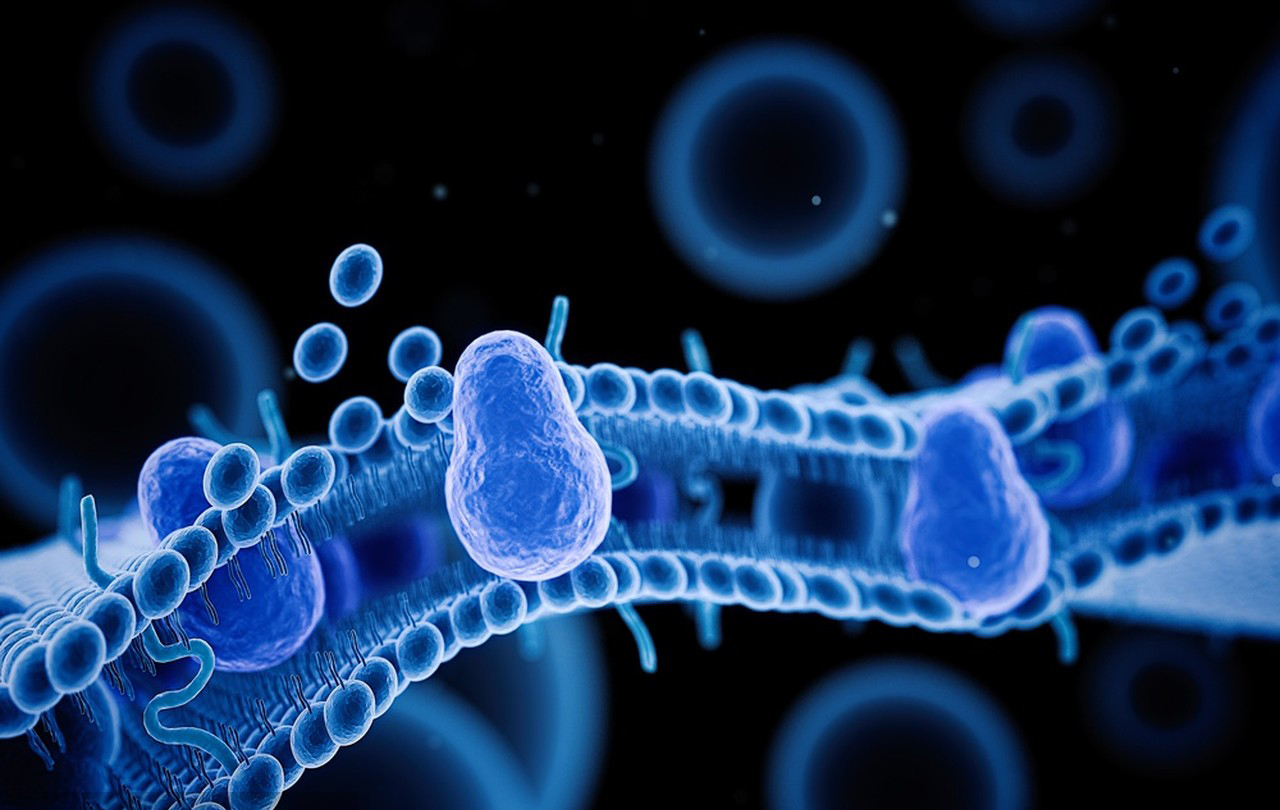
Here’s an overview of the processing process of Arachidonic Acid:
1.Cellular release: Arachidonic Acid is usually stored esterified in the cell membranes as part of phospholipids. When certain stimuli, such as cell injury or immune responses, occur, phospholipases are activated, leading to the release of Arachidonic Acid from the membrane.
2.Enzymatic conversion: Once released, Arachidonic Acid can undergo different enzymatic conversions to produce various eicosanoids. There are two major pathways involved in this conversion:
- Cyclooxygenase (COX) pathway: Arachidonic Acid is converted by the enzyme cyclooxygenase (COX) into prostaglandins and thromboxanes. Prostaglandins are involved in various physiological processes, including inflammation, vasodilation, and pain regulation. Thromboxanes play a role in platelet aggregation and blood clot formation.
- Lipoxygenase (LOX) pathway: Arachidonic Acid can also be converted by the enzyme lipoxygenase into leukotrienes. Leukotrienes are potent mediators of inflammation and play a role in the pathogenesis of asthma and other allergic reactions.
3.Regulation: The processing of Arachidonic Acid and the synthesis of eicosanoids are tightly regulated by various factors, including hormones, cytokines, and cellular signaling pathways. This regulation ensures that eicosanoids are produced in appropriate amounts and at the right time to maintain normal physiological functions.
4.Biological effects: Eicosanoids, once produced, exert their effects by binding to specific receptors on cell surfaces. These receptor interactions trigger a series of intracellular signaling events, leading to various physiological responses, such as inflammation, pain modulation, immune responses, and blood clotting.
It’s important to note that while Arachidonic Acid and eicosanoids are vital for normal physiological processes, excessive or dysregulated production of certain eicosanoids can contribute to the development of various diseases, including inflammatory conditions and cardiovascular disorders. As a result, the balance of eicosanoid production and signaling is crucial for maintaining overall health.
评论
发表评论