跳至主要内容

Chemical Structure and Physical Properties of Fisetin

Fisetin is a natural flavonoid compound found in various fruits and vegetables, including strawberries, apples, onions, and cucumbers. It belongs to the flavonol subgroup of flavonoids and is known for its potential health benefits due to its antioxidant and anti-inflammatory properties.

Chemical Structure of Fisetin:

The chemical structure of fisetin can be represented using its molecular formula, which is C₁₅H₁₀O₆. Here’s a simplified representation of its structure:
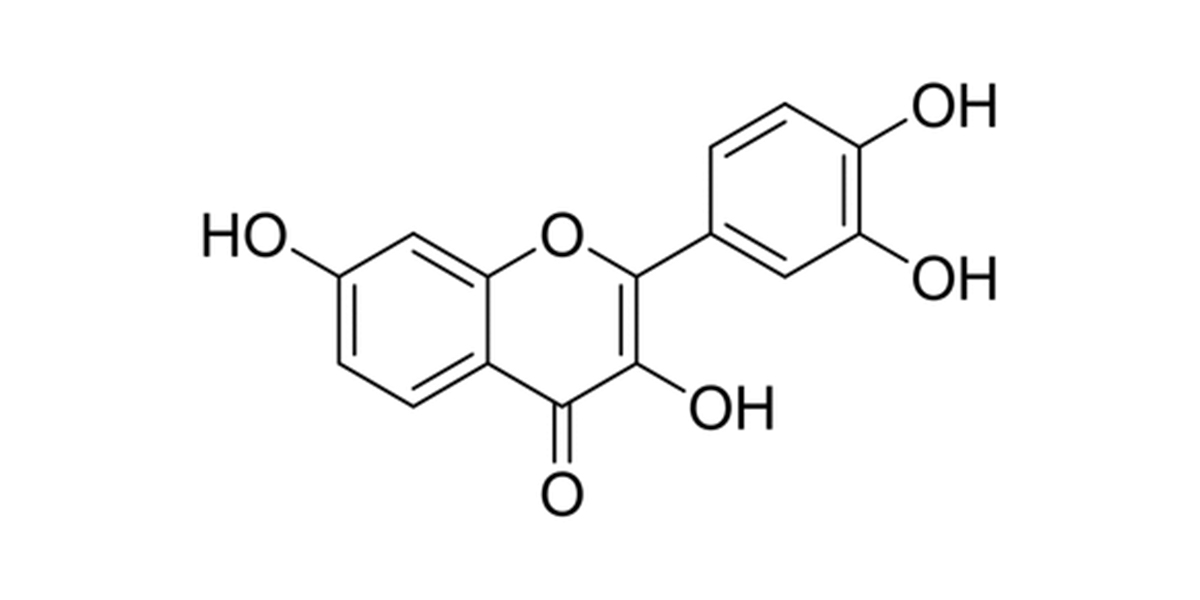
Chemical Structure and Physical Properties of Fisetin

Physical Properties of Fisetin:

Fisetin possesses several physical properties that contribute to its characteristics:

  • Molecular Weight: The molecular weight of fisetin is approximately 286.24 g/mol.
  • Melting Point: Fisetin has a melting point around 330°C (626°F), but this can vary depending on the source and purity of the compound.
  • Solubility: Fisetin is sparingly soluble in water, which means it dissolves only to a limited extent. It is more soluble in organic solvents like ethanol, methanol, and dimethyl sulfoxide (DMSO).
  • Color: Fisetin is a yellow crystalline solid, and its natural occurrence in fruits and vegetables contributes to their characteristic colors.
  • UV-Vis Absorption: Fisetin exhibits UV-Vis absorption peaks in the ultraviolet and visible range, which is typical for flavonoids. These absorption properties are related to its antioxidant capabilities.
  • Stability: Fisetin can be sensitive to factors such as light, heat, and oxygen. It can degrade under certain conditions, which is important to consider when storing or formulating products containing fisetin.

Bioactivity:

Fisetin’s potential health benefits stem from its antioxidant and anti-inflammatory properties. It is believed to contribute to cellular health by neutralizing harmful free radicals and reducing oxidative stress. Fisetin has also shown potential in various studies for its effects on brain health, longevity, and other aspects of human health. However, further research is needed to fully understand its mechanisms of action and therapeutic applications.

Remember that the properties and potential benefits of fisetin may be subject to ongoing research and discoveries beyond my last knowledge update in September 2021. Always consult reliable and up-to-date sources for the latest information

评论

此博客中的热门博文

How to use Coenzyme Q10 for best results?

Coenzyme Q10 , also known as CoQ10, is a naturally occurring antioxidant found in the cells of your body. It plays a vital role in energy production and is believed to have various health benefits. If you want to use Coenzyme Q10 for the best results, here are some guidelines: Consult with a Healthcare Professional: Before starting any new supplement regimen, it’s essential to consult with a healthcare professional, such as a doctor or registered dietitian. They can evaluate your specific health needs, recommend an appropriate dosage, and ensure it won’t interact with any medications or conditions you may have. Choose the Right Form and Dosage: Coenzyme Q10 supplements come in various forms, including ubiquinone and ubiquinol. Ubiquinol is the reduced form of Coenzyme Q10 and is often considered more bioavailable. Your healthcare provider can help you decide which form is best for you and recommend an appropriate dosage. Consider Your Goals: Coenzyme Q10 is used for various purpose...

Comprehensive study on White Willow Extract

Studying   white willow extract   involves exploring its botanical properties, historical uses, active compounds, potential health benefits, and safety considerations. Here’s a comprehensive overview: Botanical Overview: Scientific Name:  Salix alba Common Names:  White willow, European willow Description:  A deciduous tree native to Europe and Asia, known for its slender leaves and grayish bark. Active Compounds: Salicin:  Primary active compound, a natural precursor to salicylic acid. Flavonoids:  Including flavonols and catechins, contributing to antioxidant properties. Phenolic Glycosides:  Various compounds with potential health benefits. Historical Use: Traditional Medicine:  Used for centuries in traditional European and Asian medicine for pain relief, fever reduction, and inflammatory conditions. Health Benefits and Current Research: Pain Relief:  Acts similarly to aspirin in relieving pain and inflammation due to salicin’s conve...

What diseases is UDCA often used to treat?

  UDCA   (Ursodeoxycholic Acid) is commonly used to treat various liver and gallbladder diseases, particularly those involving bile flow and liver protection. Some of its main uses include: Primary Biliary Cholangitis (PBC)  – UDCA is the first-line treatment for this chronic liver disease, which causes bile duct inflammation and damage. Gallstone Dissolution  – It is used to dissolve small, cholesterol-based gallstones in patients who cannot undergo surgery. Primary Sclerosing Cholangitis (PSC)  – Though not a definitive cure, UDCA is sometimes used to improve bile flow in PSC patients. Cystic Fibrosis-Related Liver Disease (CFLD)  – UDCA helps manage bile flow issues in cystic fibrosis patients with liver involvement. Non-Alcoholic Fatty Liver Disease (NAFLD) and Non-Alcoholic Steatohepatitis (NASH)  – UDCA may have some benefit, though its role is still under investigation. Intrahepatic Cholestasis of Pregnancy (ICP)  – It is use...