跳至主要内容

How to use Phyllanthus Emblica Extract and Where to buy it?

 Phyllanthus emblica extract, also known as Indian gooseberry or amla, is renowned for its numerous health benefits. The extract from this fruit is used in various forms and for different purposes. Here’s how you can use Phyllanthus emblica extract effectively:

1.Oral Supplementation

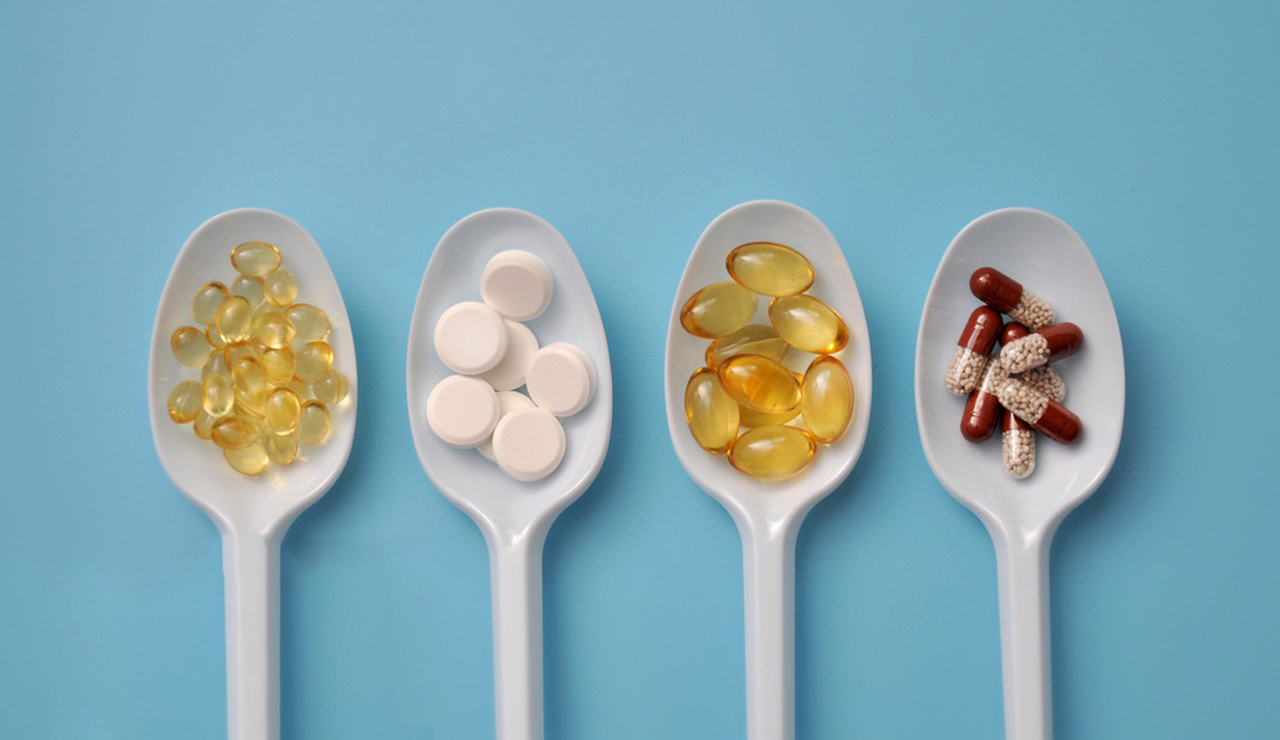
    Capsules/Tablets: Follow the dosage instructions on the packaging or as prescribed by a healthcare professional. Common doses range from 250 mg to 500 mg taken once or twice daily.

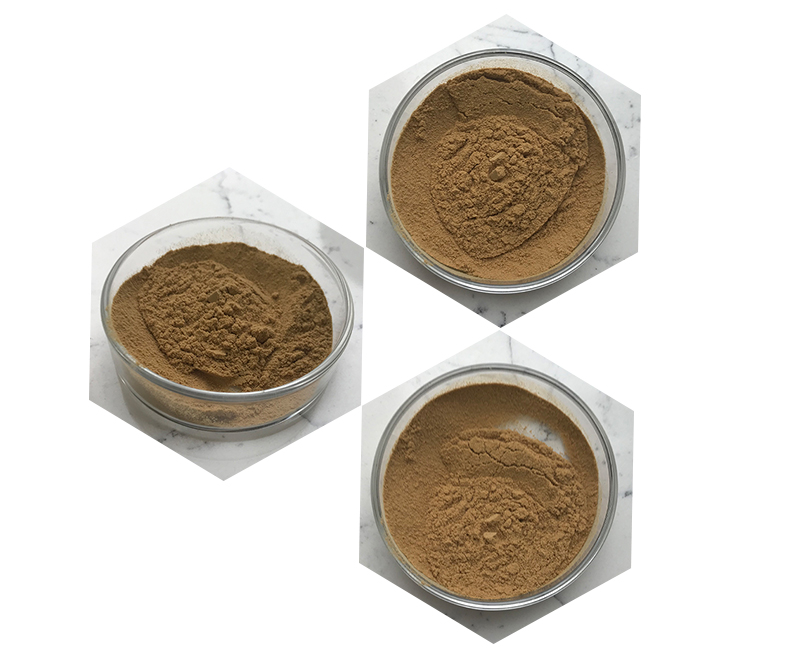
    Powder: Mix the recommended amount (usually about 1 teaspoon) into water, juice, smoothies, or other beverages. It can also be added to yogurt or sprinkled over cereal.

    2.Topical Applications

      Skin Care: Use creams, lotions, or serums containing Phyllanthus emblica extract for its antioxidant and anti-aging properties. Apply as directed on the product label.

      Hair Care: Add the extract to your shampoo or conditioner, or use products that already contain the extract to promote hair growth and reduce dandruff. Apply as directed and massage into the scalp for better absorption.

      How to use Phyllanthus Emblica Extract?

      3.Health Benefits and Usage

        Immune Support: Regular consumption of the extract can help boost the immune system due to its high vitamin C content and antioxidant properties.

        Digestive Health: Phyllanthus emblica extract can aid digestion and relieve constipation. It can be taken in the form of a powder mixed with warm water.

        Anti-Inflammatory: It can be used to reduce inflammation and relieve pain. Oral supplements are commonly used for this purpose.

        Blood Sugar Control: The extract can help regulate blood sugar levels. Regular intake, as per recommended doses, can be beneficial for individuals with diabetes or insulin resistance.

        4.Combination with Other Ingredients

          Herbal Blends: Phyllanthus emblica extract is often combined with other herbs in Ayurvedic formulations for enhanced benefits. It can be part of products like Triphala, which is a combination of three fruits including amla.

          Dietary Recipes: You can incorporate the extract into your cooking, such as in herbal teas, soups, and health bars.

          How to use Phyllanthus Emblica Extract?

          5.Safety and Precautions

            Consultation: Always consult with a healthcare provider before starting any new supplement, especially if you have underlying health conditions or are taking other medications.

            Allergies: Check for any allergic reactions by applying a small amount of the topical product or taking a small dose of the oral supplement initially.

            Pregnancy and Breastfeeding: Consult a healthcare provider for appropriate dosages and safety during pregnancy or breastfeeding.

            6.Storage

              Keep in a Cool, Dry Place: Store the extract away from direct sunlight and moisture to preserve its potency and shelf life.

              Using Phyllanthus emblica extract can provide numerous health benefits when used correctly and consistently. Always adhere to recommended dosages and consult healthcare professionals as needed.

              评论

              此博客中的热门博文

              How to use Coenzyme Q10 for best results?

              Coenzyme Q10 , also known as CoQ10, is a naturally occurring antioxidant found in the cells of your body. It plays a vital role in energy production and is believed to have various health benefits. If you want to use Coenzyme Q10 for the best results, here are some guidelines: Consult with a Healthcare Professional: Before starting any new supplement regimen, it’s essential to consult with a healthcare professional, such as a doctor or registered dietitian. They can evaluate your specific health needs, recommend an appropriate dosage, and ensure it won’t interact with any medications or conditions you may have. Choose the Right Form and Dosage: Coenzyme Q10 supplements come in various forms, including ubiquinone and ubiquinol. Ubiquinol is the reduced form of Coenzyme Q10 and is often considered more bioavailable. Your healthcare provider can help you decide which form is best for you and recommend an appropriate dosage. Consider Your Goals: Coenzyme Q10 is used for various purpose...

              Comprehensive study on White Willow Extract

              Studying   white willow extract   involves exploring its botanical properties, historical uses, active compounds, potential health benefits, and safety considerations. Here’s a comprehensive overview: Botanical Overview: Scientific Name:  Salix alba Common Names:  White willow, European willow Description:  A deciduous tree native to Europe and Asia, known for its slender leaves and grayish bark. Active Compounds: Salicin:  Primary active compound, a natural precursor to salicylic acid. Flavonoids:  Including flavonols and catechins, contributing to antioxidant properties. Phenolic Glycosides:  Various compounds with potential health benefits. Historical Use: Traditional Medicine:  Used for centuries in traditional European and Asian medicine for pain relief, fever reduction, and inflammatory conditions. Health Benefits and Current Research: Pain Relief:  Acts similarly to aspirin in relieving pain and inflammation due to salicin’s conve...

              What diseases is UDCA often used to treat?

                UDCA   (Ursodeoxycholic Acid) is commonly used to treat various liver and gallbladder diseases, particularly those involving bile flow and liver protection. Some of its main uses include: Primary Biliary Cholangitis (PBC)  – UDCA is the first-line treatment for this chronic liver disease, which causes bile duct inflammation and damage. Gallstone Dissolution  – It is used to dissolve small, cholesterol-based gallstones in patients who cannot undergo surgery. Primary Sclerosing Cholangitis (PSC)  – Though not a definitive cure, UDCA is sometimes used to improve bile flow in PSC patients. Cystic Fibrosis-Related Liver Disease (CFLD)  – UDCA helps manage bile flow issues in cystic fibrosis patients with liver involvement. Non-Alcoholic Fatty Liver Disease (NAFLD) and Non-Alcoholic Steatohepatitis (NASH)  – UDCA may have some benefit, though its role is still under investigation. Intrahepatic Cholestasis of Pregnancy (ICP)  – It is use...