Saccharide Isomerate is a carbohydrate-derived cosmetic humectant best known for its strong water-binding and long-lasting moisturizing properties. Although it is especially popular in skincare, it can also be useful in hair and scalp formulations, particularly products designed to improve hydration, softness, and manageability.
1. Main hair-care functions
| Function | Benefit for hair |
| Humectant | Attracts and retains water around the hair fiber |
| Hydration | Helps reduce dryness and a rough, dehydrated feel |
| Moisture retention | Can help hair remain hydrated after washing |
| Softening | Improves the smoothness and tactile feel of hair |
| Scalp moisturizing | Helps maintain moisture on a dry-feeling scalp |
| Anti-dryness support | Useful in formulations for dry, brittle or chemically treated hair |
| Conditioning support | Can contribute to improved combability and manageability when combined with conditioning agents |
2. How it works on hair
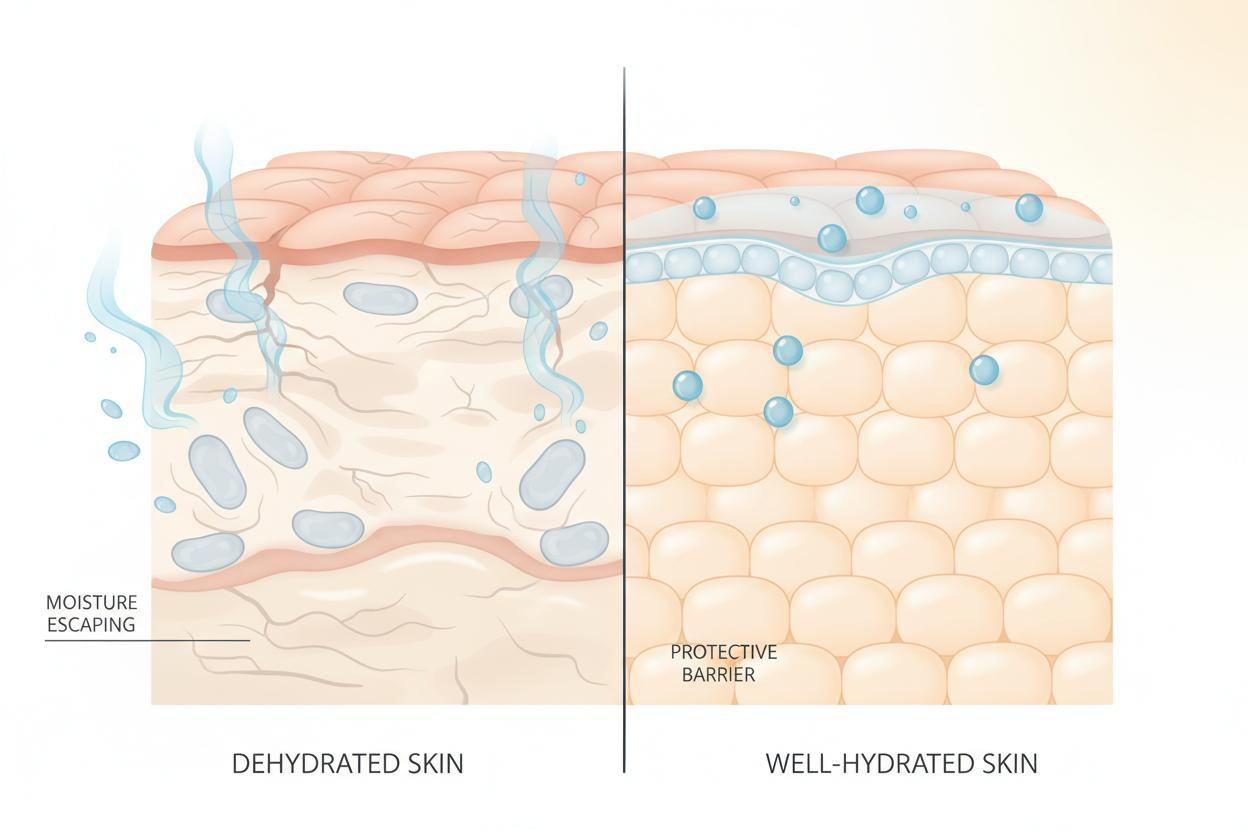
Saccharide Isomerate contains carbohydrate structures with a strong affinity for water. When incorporated into a hair-care formulation, it can help bind water to the hair and scalp surface.
This is particularly relevant because damaged or chemically processed hair can have a compromised cuticle and tends to feel rough and dry. By increasing surface hydration, Saccharide Isomerate can contribute to:
better hydration → softer fiber surface → improved feel → easier combing and styling
It should be regarded primarily as a moisturizing/hydrating ingredient, rather than a protein-repair or bond-repair active.
3. Hair problems it may help address
Saccharide Isomerate is most appropriate for:
- Dry and dehydrated hair
- Rough-feeling hair
- Frizzy hair associated with dryness
- Brittle-feeling hair
- Chemically treated or bleached hair
- Heat-styled hair
- Dry-feeling scalp
- Hair that feels stiff after cleansing
It is less likely to provide substantial improvement in severe structural damage, split ends, or broken keratin bonds by itself.
4. Suitable hair-care products
It can be incorporated into:
- Shampoos
- Conditioners
- Hair masks
- Leave-in conditioners
- Hair serums
- Scalp moisturizers
- Anti-frizz products
- Curl creams
- Hair sprays and styling products
For a leave-on product, its water-binding properties can be particularly useful because the ingredient remains in contact with the hair or scalp for longer.
5. Combination with other hair-care ingredients
Saccharide Isomerate can work well alongside:
- Panthenol – hydration and conditioning
- Glycerin – humectant support
- Betaine – moisturizing and conditioning
- Hydrolyzed proteins – temporary strengthening/film formation
- Amino acids – conditioning and moisture support
- Ceramides – barrier/lipid support
- Polyquaterniums – improved conditioning and combability
- Hyaluronic acid – additional hydration
- Plant oils/esters – emollience and reduction of rough feel
A formulation combining Saccharide Isomerate + humectants + conditioning polymers + emollients can therefore provide more comprehensive hair conditioning than Saccharide Isomerate alone.
6. Important formulation consideration
Because Saccharide Isomerate is a humectant, its performance depends on the overall formulation and environmental humidity. Excessive reliance on humectants without adequate conditioning or emollient components may not produce the desired feel for every hair type.
For damaged hair, a more complete formulation would generally combine:
- Saccharide Isomerate → hydration
- Conditioning polymers → slip and combability
- Proteins/amino acids → film-forming support
- Lipids/emollients → softness and protection
Bottom line
Saccharide Isomerate is a useful supporting ingredient for moisturizing and conditioning hair and scalp. Its strongest role is water retention and hydration, helping dry hair feel softer, smoother, and more manageable. It is especially interesting for dry, curly, bleached, chemically treated, or heat-damaged hair, but it should not be considered a standalone treatment for permanent structural hair damage
评论
发表评论