Pro-Xylane is well-known for helping improve rough, flaky skin. Here’s a detailed breakdown of how it works:
1. Hydration Booster
Pro-Xylane is a sugar derivative that binds water in the skin, enhancing moisture retention. By increasing hydration, it softens dry, flaky patches and makes skin feel smoother.
2. Supports Skin Barrier
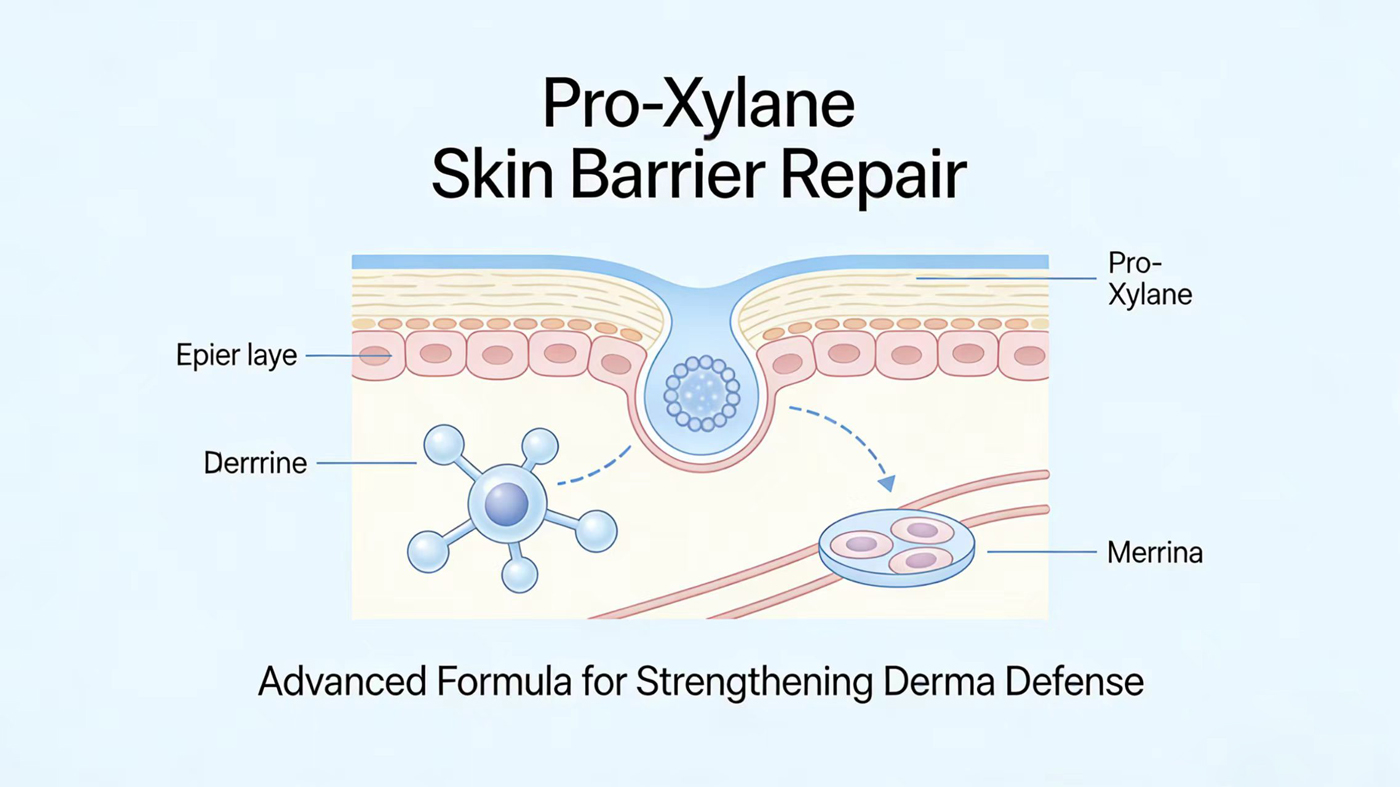
It helps strengthen the skin’s natural barrier by promoting glycosaminoglycan (GAG) production, which are molecules that hold water and maintain structural integrity. A stronger barrier prevents moisture loss, reducing dryness and rough texture.
3. Skin Plumping Effect
By improving hydration and supporting barrier function, Pro-Xylane helps the skin look more supple and even, which can reduce the appearance of rough, flaky areas.
4. Anti-Aging Benefits (Bonus)
While improving roughness, it also helps with fine lines and firmness because hydrated, healthy skin looks smoother and more resilient.
Best for: Dry, sensitive, or aging skin that’s prone to roughness and flakiness.
If you want, I can also suggest how to use Pro-Xylane effectively for maximum smoothness and hydration. Do you want me to do that?
Pro-Xylane-Anti-Aging
Pro‑Xylane (often listed in formulas as Hydroxypropyl Tetrahydropyrantriol) is a synthetic, sugar‑derived skincare ingredient originally developed by L’Oréal. It was created through a green chemistry process and has become popular in anti‑aging products for its ability to support skin structure and hydration.
How Pro‑Xylane Works
Pro‑Xylane targets key aging mechanisms in the skin by:
- Boosting collagen & extracellular matrix support — it stimulates production of glycosaminoglycans (GAGs), collagen, proteoglycans, and other structural proteins that help firm and plump the skin.
- Strengthening the dermal‑epidermal junction — improving cohesion between deeper and outer layers for better resilience.
- Enhancing moisture retention — its hydrophilic nature helps the skin hold water, reducing dryness and improving elasticity.
- Supporting skin barrier function — aids in maintaining a healthy protective layer to reduce moisture loss and irritation.
These actions cumulatively contribute to a visibly smoother, firmer, and more youthful appearance by reducing the look of fine lines and improving texture.
Key Anti‑Aging Benefits
1. Wrinkle & Fine Line Reduction
- By reinforcing structural proteins and improving hydration, Pro‑Xylane can help soften the appearance of wrinkles and enhance skin suppleness.
2. Increased Firmness & Elasticity
- Stimulating collagen and GAG production supports the skin’s elasticity and helps counteract sagging.
3. Deep Hydration
- Helps the skin retain moisture more effectively, keeping it plumper and reducing dryness that accentuates aging signs.
4. Gentle for Sensitive Skin
- Pro‑Xylane is generally considered mild on skin and less irritating than some potent actives (like strong retinoids).
Tips for Use
- Consistency matters: Anti‑aging benefits like improved firmness and reduced lines generally appear over weeks of regular use.
- Pair with sunscreen: Daily SPF helps protect your results by preventing UV damage, a major contributor to aging.
- Layer with hydration: Combine with a good moisturizer or hyaluronic acid serum for even better plumping effects.
Considerations
While Pro‑Xylane is often well‑tolerated and milder than some actives, some sensitive skin types may experience irritation or dryness depending on formulation and concentration. Start gradually if you have sensitive or reactive skin.
From cellsbio health technology co.,ltd
评论
发表评论