跳至主要内容

How does Pyridoxal-5-Phosphate regulate neurotransmitter synthesis and metabolism?

 Pyridoxal-5-Phosphate (PLP), the active form of vitamin B6, is basically a master coenzyme for neurotransmitter chemistry. It doesn’t act like a hormone or receptor—it regulates neurotransmitters by enabling the enzymes that make and break them. Here’s how that plays out in the brain:

1. Pyridoxal-5-Phosphate as the key coenzyme for decarboxylation

Most classic neurotransmitters are made by amino-acid decarboxylation, and these reactions require Pyridoxal-5-Phosphate.

Major examples

Glutamate → GABA

  • Enzyme: Glutamate decarboxylase (GAD)
  • Pyridoxal-5-Phosphate is essential → low Pyridoxal-5-Phosphate = reduced inhibitory GABA signaling

L-DOPA → Dopamine

  • Enzyme: Aromatic L-amino acid decarboxylase

5-Hydroxytryptophan → Serotonin

Histidine → Histamine

Without Pyridoxal-5-Phosphate, these enzymes are largely inactive, so neurotransmitter synthesis slows dramatically.
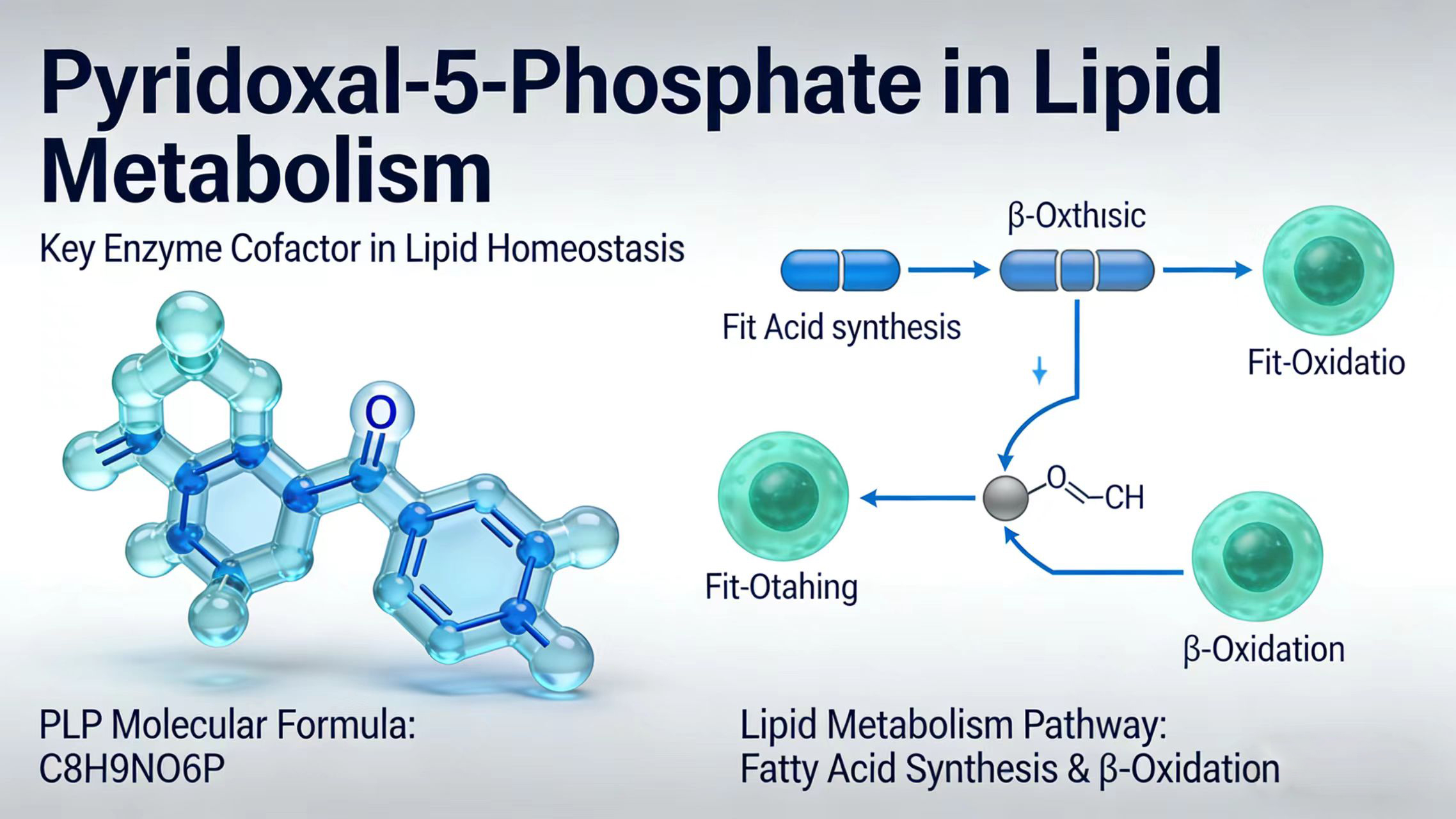
How does Pyridoxal-5-Phosphate regulate neurotransmitter synthesis and metabolism?

2. Regulation of excitatory–inhibitory balance

Pyridoxal-5-Phosphate plays a central role in maintaining the balance between:

  • Excitatory neurotransmitters → glutamate
  • Inhibitory neurotransmitters → GABA

Because Pyridoxal-5-Phosphate is required for converting glutamate into GABA:

  • Adequate Pyridoxal-5-Phosphate → balanced neural firing
  • Pyridoxal-5-Phosphate deficiency → excess excitation (linked to seizures, anxiety, irritability)

This is why vitamin B5 deficiency classically presents with neurological symptoms.

3. Pyridoxal-5-Phosphate in monoamine metabolism

Beyond synthesis, Pyridoxal-5-Phosphate also supports interconversion and turnover of monoamines:

  • Dopamine
  • Norepinephrine
  • Serotonin

Pyridoxal-5-Phosphate-dependent enzymes participate in:

  • Amino acid transamination, supplying precursors
  • Regeneration of neurotransmitter pools
  • Indirect control of neurotransmitter availability

This affects mood, motivation, stress response, and cognition.

4. Modulation of sulfur-containing neurotransmitter pathways

Pyridoxal-5-Phosphate is involved in:

  • Cysteine metabolism
  • Homocysteine clearance

This matters because elevated homocysteine is neurotoxic and interferes with:

  • Dopamine signaling
  • NMDA receptor function

Pyridoxal-5-Phosphate helps keep these pathways neuroprotective.

5. Functional consequences in the nervous system

Through its enzymatic roles, Pyridoxal-5-Phosphate influences:

  • Mood regulation (serotonin, dopamine)
  • Sleep–wake cycles (serotonin → melatonin pathway)
  • Stress and anxiety responses (GABA)
  • Cognitive processing and memory

6. What happens when Pyridoxal-5-Phosphate is deficient?

Insufficient Pyridoxal-5-Phosphate leads to:

  • ↓ GABA → seizures, anxiety
  • ↓ serotonin and dopamine → depression, irritability
  • Impaired neurotransmitter turnover → cognitive dysfunction

This is why Pyridoxal-5-Phosphate status is especially important in:

  • Epilepsy
  • Depression
  • Parkinson’s disease (supportive, not curative)
  • Vitamin B6–responsive seizures
How does Pyridoxal-5-Phosphate regulate neurotransmitter synthesis and metabolism?

Big picture

Pyridoxal-5-Phosphate regulates neurotransmitter synthesis and metabolism by acting as an indispensable coenzyme for decarboxylation, transamination, and amino-acid transformations that generate and maintain neurotransmitters.

No Pyridoxal-5-Phosphate → enzymes stall → neurotransmission falters.

If you want, I can also map Pyridoxal-5-Phosphate → specific enzymes → clinical effects in a table, or connect this to neurological symptoms and supplementation strategy.

From cellsbio health technology co.,ltd

评论

此博客中的热门博文

Basic information of Collagen and Where you can buy Collagen CAS#9064-67-9?

  Collagen   is the most abundant protein in the human body, making up about 30% of the body’s total protein content. It plays a crucial role in providing structure, strength, and elasticity to various tissues and organs, including the skin, bones, tendons, ligaments, blood vessels, and even the cornea of the eyes. Types of Collagen There are at least 28 types of collagen, but the most common types are: Type I:  The most abundant form, found in skin, bones, tendons, and ligaments. Type II:  Found in cartilage and helps provide joint support. Type III:  Found in the skin, muscles, and blood vessels, often present alongside type I collagen. Type IV:  Found in the layers of the skin and the kidneys. Type V:  Found in the cornea of the eye, hair, and placenta. Structure of Collagen Collagen is made up of amino acids, primarily glycine, proline, and hydroxyproline. These amino acids form a triple-helix structure, which provides the tensile strength and...

How best to use the Hericium Erinaceus Capsule?

  Hericium erinaceus, commonly known as lion’s mane mushroom, is a type of edible and medicinal mushroom with potential health benefits. Lion’s mane mushroom is often consumed in various forms, including capsules, powders, extracts, and as a whole food. If you have lion’s mane mushroom in capsule form ( Hericium erinaceus capsule ), here are some tips on how to use them effectively: Follow Dosage Instructions:  The dosage can vary depending on the concentration of the active ingredients in the capsules and individual factors such as age, weight, and health condition. Always follow the recommended dosage instructions provided on the product packaging or by a healthcare professional. Consistency is Key:  Like many supplements, lion’s mane may take time to produce noticeable effects. Consistent use over time is often more effective than sporadic usage. Stick to a regular dosing schedule to maximize the potential benefits. Take with Food:  It’s generally recommended to t...

Comprehensive study on White Willow Extract

Studying   white willow extract   involves exploring its botanical properties, historical uses, active compounds, potential health benefits, and safety considerations. Here’s a comprehensive overview: Botanical Overview: Scientific Name:  Salix alba Common Names:  White willow, European willow Description:  A deciduous tree native to Europe and Asia, known for its slender leaves and grayish bark. Active Compounds: Salicin:  Primary active compound, a natural precursor to salicylic acid. Flavonoids:  Including flavonols and catechins, contributing to antioxidant properties. Phenolic Glycosides:  Various compounds with potential health benefits. Historical Use: Traditional Medicine:  Used for centuries in traditional European and Asian medicine for pain relief, fever reduction, and inflammatory conditions. Health Benefits and Current Research: Pain Relief:  Acts similarly to aspirin in relieving pain and inflammation due to salicin’s conve...