跳至主要内容

Does Biotinoyl Tripeptide-1 have Anti-Aging or Firming effects on skin?

 Biotinoyl Tripeptide-1 is a synthetic peptide cosmetic ingredient made by linking biotin (vitamin B7) to a short peptide (GHK). It’s most commonly included in hair and lash products for strengthening hair and encouraging growth, and is marketed in some skincare formulas as well.

What Biotinoyl Tripeptide-1 Is

Biotinoyl Tripeptide-1 (also called Biotinyl-GHK or Biotin-GHK) is a synthetic peptide created by linking biotin (vitamin B7) to a short peptide called GHK (glycyl-histidyl-lysine). This design is intended to combine the potential cellular signaling of GHK with the keratin‑supporting effects of biotin.
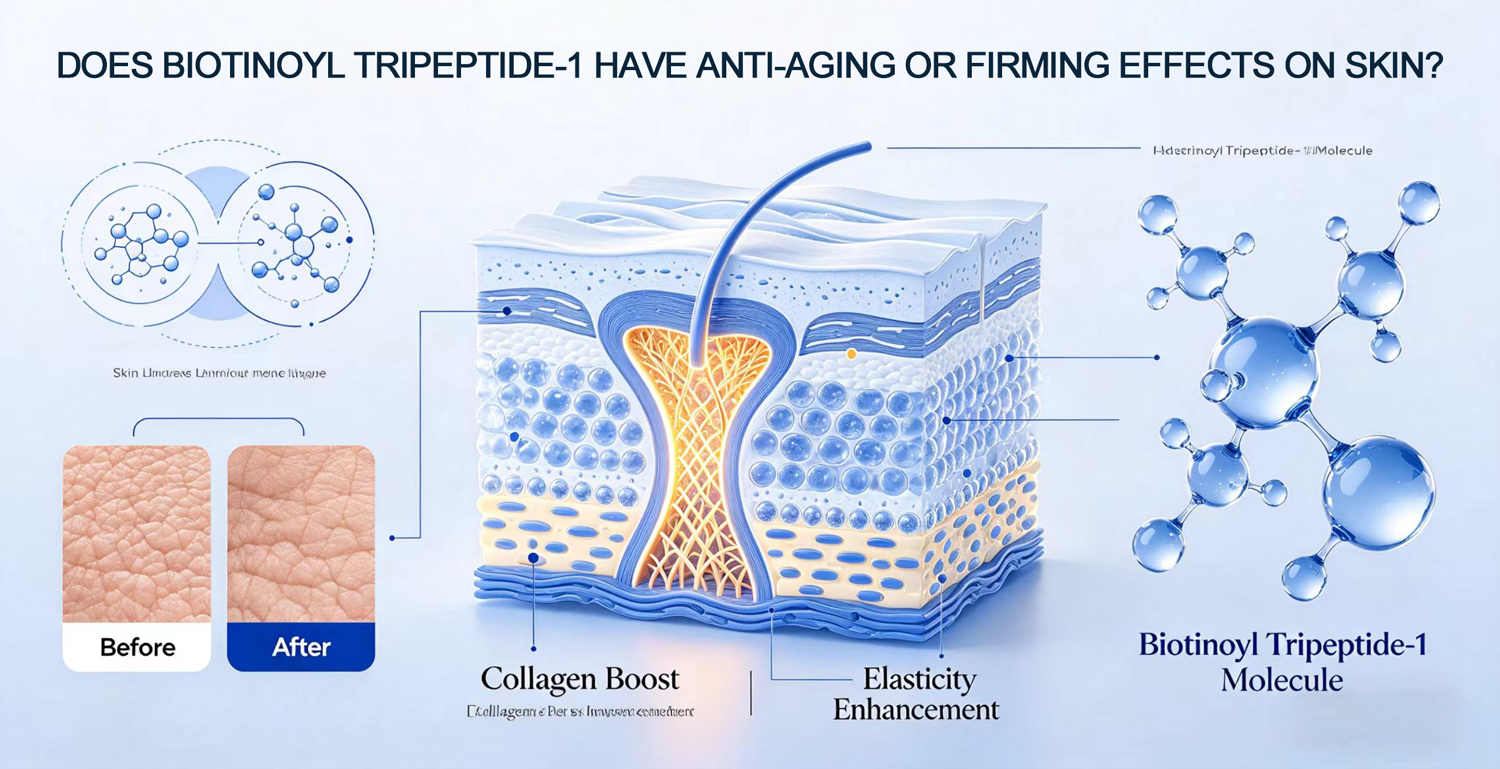
Does Biotinoyl Tripeptide-1 have Anti-Aging or Firming effects on skin?

Anti-Aging Claims

  • The primary documented research for this ingredient focuses on hair follicle stimulation and anti-hair-loss effects (keratinocyte proliferation, basement membrane protein expression).
  • Some cosmetic guides extend these mechanisms to anti-aging and skin rejuvenation by analogy — suggesting that stimulation of extracellular matrix components (like collagen) and cellular repair gene expression could support skin structure.
  • However, robust clinical evidence showing that Biotinoyl Tripeptide-1 measurably reduces wrinkles, visibly firms skin, or improves skin elasticity on human facial skin has not been established in peer‑reviewed studies.

What the Evidence Really Supports

  • Most data come from preclinical models, ex vivo follicle studies, manufacturersponsored reports, and small cosmetic studies, not large, independent trials focused on skin aging endpoints (e.g., wrinkle depth or skin firmness).
  • While the GHK component (in other forms like GHK-Cu — copper tripeptide-1) is better documented for collagen stimulation and may support skin repair pathways, that doesn’t necessarily translate directly to clinical ant-aging results for Biotinoyl Tripeptide-1 specifically.
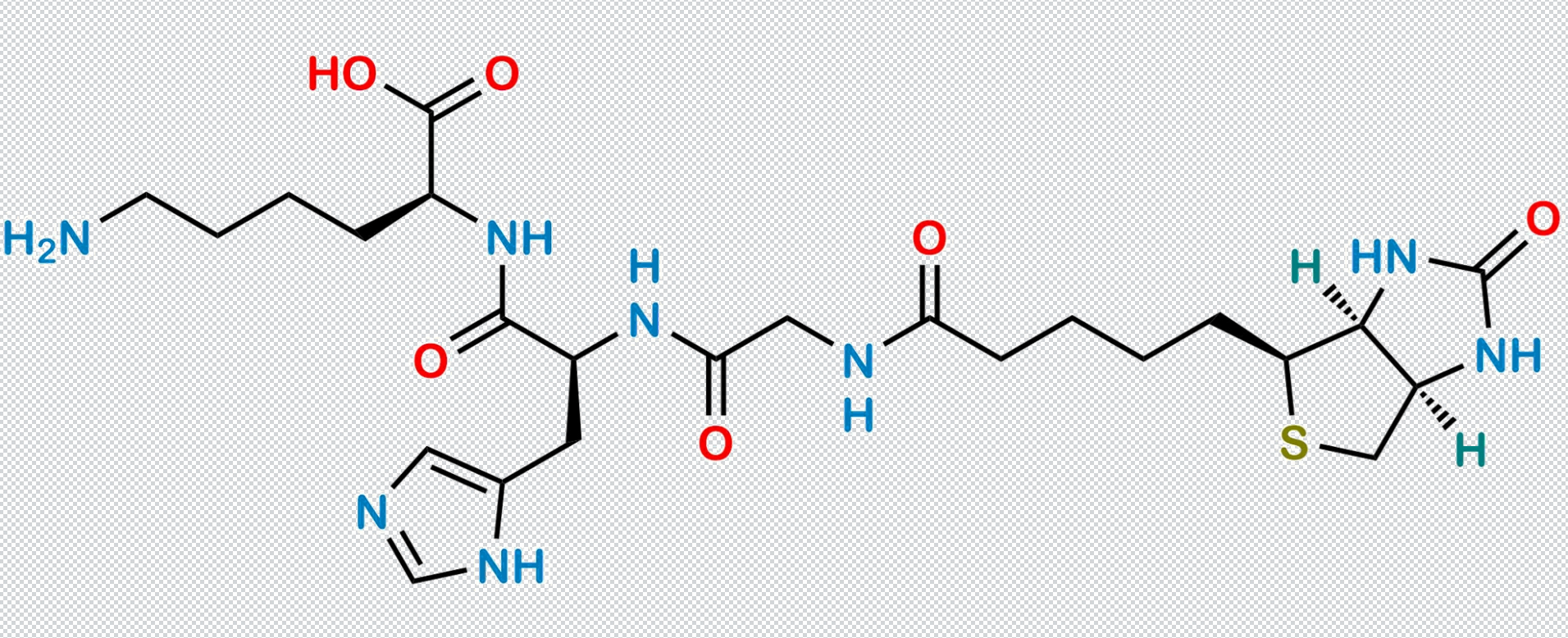
Does Biotinoyl Tripeptide-1 have Anti-Aging or Firming effects on skin?

Practical Takeaway

May contribute to healthy skin signaling pathways: The peptide structure and biotin linkage could theoretically support gene expression related to cellular repair and matrix proteins.

Commonly marketed in hair and lash products: Its strongest cosmetic positioning is for hair-growth/anchoring and conditioning functions rather than proven facial anti-aging.

Not a proven firming/anti-aging ingredient on skin: There’s no strong human clinical evidence showing marked firming or wrinkle-reducing effects on the skin comparable to ingredients like retinoids or well-studied peptides (e.g., copper peptides) at this time.

Summary

ClaimSupport Level
Hair/follicle support & conditioningPreliminary support
Stimulates some tissue repair pathwaysBiological rationale, limited data
Clinically proven skin ant-aging / firmingNot established
From cellsbio health technology co.,ltd

评论

此博客中的热门博文

Basic information of Collagen and Where you can buy Collagen CAS#9064-67-9?

  Collagen   is the most abundant protein in the human body, making up about 30% of the body’s total protein content. It plays a crucial role in providing structure, strength, and elasticity to various tissues and organs, including the skin, bones, tendons, ligaments, blood vessels, and even the cornea of the eyes. Types of Collagen There are at least 28 types of collagen, but the most common types are: Type I:  The most abundant form, found in skin, bones, tendons, and ligaments. Type II:  Found in cartilage and helps provide joint support. Type III:  Found in the skin, muscles, and blood vessels, often present alongside type I collagen. Type IV:  Found in the layers of the skin and the kidneys. Type V:  Found in the cornea of the eye, hair, and placenta. Structure of Collagen Collagen is made up of amino acids, primarily glycine, proline, and hydroxyproline. These amino acids form a triple-helix structure, which provides the tensile strength and...

How best to use the Hericium Erinaceus Capsule?

  Hericium erinaceus, commonly known as lion’s mane mushroom, is a type of edible and medicinal mushroom with potential health benefits. Lion’s mane mushroom is often consumed in various forms, including capsules, powders, extracts, and as a whole food. If you have lion’s mane mushroom in capsule form ( Hericium erinaceus capsule ), here are some tips on how to use them effectively: Follow Dosage Instructions:  The dosage can vary depending on the concentration of the active ingredients in the capsules and individual factors such as age, weight, and health condition. Always follow the recommended dosage instructions provided on the product packaging or by a healthcare professional. Consistency is Key:  Like many supplements, lion’s mane may take time to produce noticeable effects. Consistent use over time is often more effective than sporadic usage. Stick to a regular dosing schedule to maximize the potential benefits. Take with Food:  It’s generally recommended to t...

Comprehensive study on White Willow Extract

Studying   white willow extract   involves exploring its botanical properties, historical uses, active compounds, potential health benefits, and safety considerations. Here’s a comprehensive overview: Botanical Overview: Scientific Name:  Salix alba Common Names:  White willow, European willow Description:  A deciduous tree native to Europe and Asia, known for its slender leaves and grayish bark. Active Compounds: Salicin:  Primary active compound, a natural precursor to salicylic acid. Flavonoids:  Including flavonols and catechins, contributing to antioxidant properties. Phenolic Glycosides:  Various compounds with potential health benefits. Historical Use: Traditional Medicine:  Used for centuries in traditional European and Asian medicine for pain relief, fever reduction, and inflammatory conditions. Health Benefits and Current Research: Pain Relief:  Acts similarly to aspirin in relieving pain and inflammation due to salicin’s conve...