Glycosylglycerol is a naturally occurring compatible solute found in several microorganisms, particularly cyanobacteria and some marine bacteria. It plays an important role in cellular stress tolerance and has attracted attention for potential applications in biotechnology, cosmetics, and possibly health-related formulations.
Below is a comprehensive study covering its origin, chemistry, biological role, production, properties, and applications.
1. Overview
Glycosylglycerol (often referred to as glucosylglycerol in biological literature) is a small carbohydrate derivative composed of:
- A glycerol backbone
- One or more glycosyl (sugar) groups, typically glucose
It functions primarily as a compatible solute (osmoprotectant), helping organisms survive under environmental stress such as high salinity or dehydration.
2. Chemical Structure
- Core structure: glycerol (3-carbon polyol)
- Substitution: glycosidic linkage to a glucose molecule
- Highly hydrophilic due to multiple hydroxyl groups
Key structural features:
- Non-ionic at physiological pH
- Strong hydrogen bonding capacity
- Highly water-soluble
- Stable under moderate temperature and pH conditions
3. Natural Occurrence and Biosynthesis
Found in:
- Cyanobacteria (major producers)
- Some halotolerant bacteria
- Marine microorganisms
Biosynthetic pathway:
Typically synthesized in two enzymatic steps:
- Glycosyltransferase reaction
Transfers glucose from UDP-glucose to glycerol
- Formation of glycosylglycerol as a compatible solute
This production is often upregulated under salt or osmotic stress.
4. Biological Functions
4.1 Osmoprotection (Primary Role)
Glycosylglycerol protects cells by:
- Balancing intracellular osmotic pressure
- Preventing dehydration in high-salt environments
- Stabilizing proteins and enzymes
4.2 Protein and membrane stabilization
- Maintains protein folding integrity
- Protects lipid membranes from stress-induced disruption
4.3 Stress tolerance
Organisms accumulate it in response to:
- High salinity
- Desiccation
- Temperature fluctuations
5. Physical and Chemical Properties
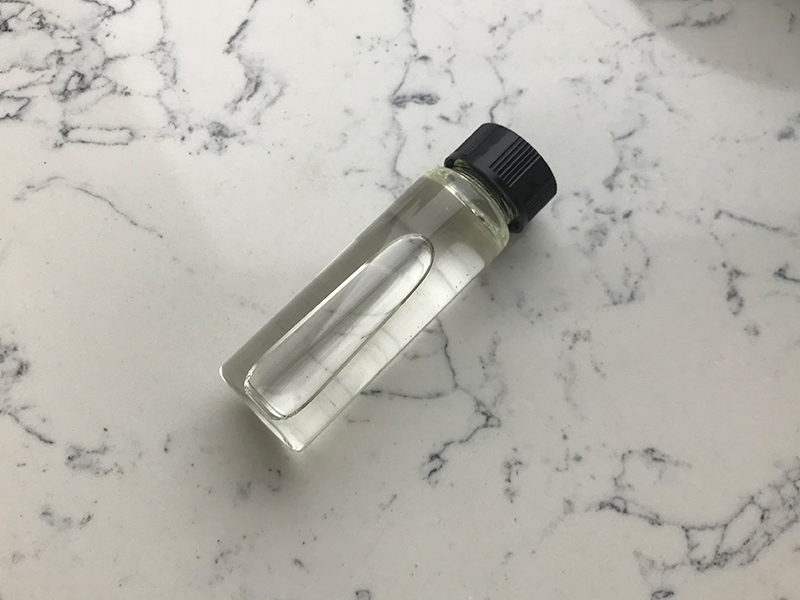
- Appearance: colorless, hygroscopic compound
- Solubility: highly soluble in water
- Stability: stable under moderate heat
- Non-toxic in microbial systems
- Compatible with cellular metabolism (does not interfere with enzymes)
6. Industrial and Biotechnological Production
6.1 Microbial fermentation
- Produced by engineered cyanobacteria or bacterial strains
- Salt stress often used to induce accumulation
6.2 Biotechnological optimization
- Genetic engineering enhances yield
- Metabolic pathway modification increases glycerol utilization
6.3 Advantages of microbial production
- Renewable source
- Environmentally friendly
- Scalable fermentation process
7. Applications
7.1 Cosmetics and skincare
Glycosylglycerol is studied for:
- Moisturizing effects (humectant-like behavior)
- Skin barrier protection
- Anti-dehydration formulations
- Stabilization of proteins in topical products
7.2 Biotechnology
- Protein stabilization in enzymes and vaccines
- Cryoprotection in cell storage
7.3 Agriculture (emerging research)
- Potential plant stress tolerance enhancer
- May improve drought/salt resistance in crops
7.4 Pharmaceutical research
- Investigated as a stabilizing excipient
- Potential use in biologics formulation
8. Safety and Toxicology
Current research indicates:
- Low toxicity in biological systems
- Biocompatible with cells and tissues
- Non-irritating at typical application levels (cosmetic-grade studies)
However:
- Human clinical data is still limited
- Regulatory status varies depending on application region
9. Advantages and Limitations
Advantages
- Natural osmoprotectant
- Highly stable and water-soluble
- Safe profile in early studies
- Versatile applications
Limitations
- Limited large-scale industrial production
- High cost of purification
- Fewer clinical human studies compared to common cosmetic actives

10. Future Research Directions
Key areas of ongoing investigation include:
- Large-scale microbial biosynthesis optimization
- Cosmetic efficacy in human trials
- Role in skin microbiome interactions
- Agricultural stress-resistance applications
- Industrial protein stabilization systems
11. Summary
Glycosylglycerol is a biologically important osmoprotectant molecule with strong potential in biotechnology and cosmetics. While its natural role is to help microorganisms survive harsh environments, its physicochemical stability and hydration-related properties make it a promising multifunctional ingredient for future applications.
From cellsbio health technology co.,ltd
评论
发表评论