跳至主要内容

Applications of Pyridoxal-5-Phosphate

 Pyridoxal-5-phosphate (PLP) is the biologically active form of vitamin B6, and it’s a real workhorse in biochemistry, medicine, and nutrition. Here’s a clean, practical breakdown of its main applications:

1. Medical & Clinical Applications

Treatment of Vitamin B6 Deficiency

Used directly when conversion of vitamin B6 is impaired

Helpful for people with liver disease, elderly patients, or genetic enzyme defects

Neurological Disorders

Supports neurotransmitter synthesis (GABA, serotonin, dopamine)

Used in:

  • Peripheral neuropathy
  • Certain seizure disorders (Pyridoxal-5-phosphate-dependent epilepsy)
  • Neurodevelopmental disorders related to B6 metabolism

Anemia Management

Required for heme synthesis

Used in sideroblastic anemia linked to B6 deficiency

Homocysteine Reduction

Cofactor in homocysteine metabolism

Helps lower cardiovascular risk when combined with folate and B12
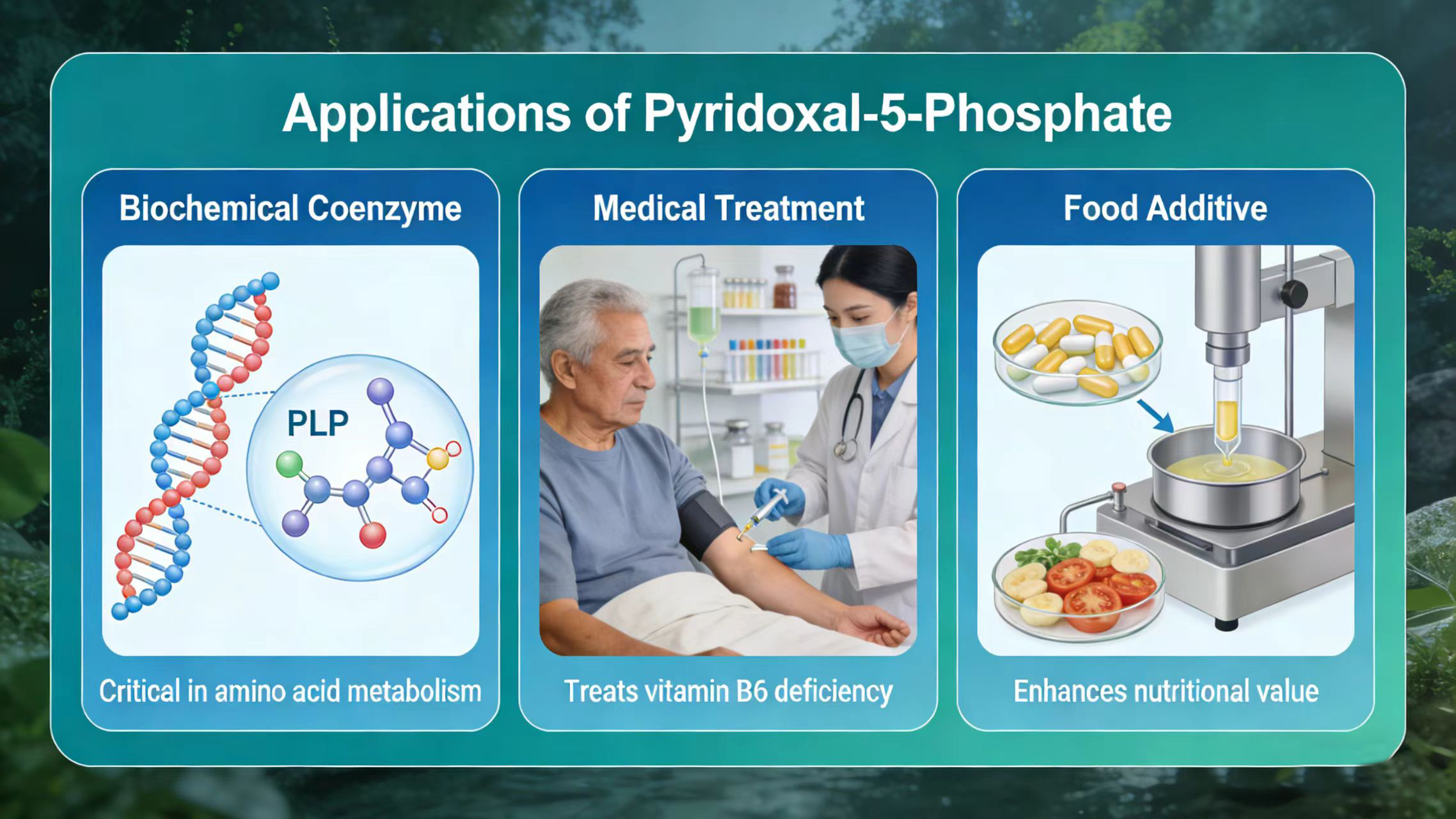
Applications of Pyridoxal-5-Phosphate

2. Pharmaceutical Applications 

Active ingredient in prescription B6 formulations

Used in injectable preparations where rapid bioavailability is needed

Research applications in enzyme replacement or metabolic therapies

3. Nutritional & Dietary Supplement Applications

High-Bioavailability B6 Source

Preferred over pyridoxine in some supplements

No need for hepatic activation

Special Populations

People with:

  • MTHFR mutations
  • Chronic inflammation
  • Malabsorption syndromes
  • Alcohol dependence

4. Biochemical & Laboratory Applications

Enzyme Cofactor in Research

Pyridoxal-5-phosphate is essential for enzymes involved in:

  • Amino acid metabolism (transamination, decarboxylation)
  • Glycogen breakdown (glycogen phosphorylase)
  • Neurotransmitter biosynthesis

Diagnostic Marker

Plasma Pyridoxal-5-phosphate levels used to assess vitamin B6 status

Indicator in metabolic and nutritional studies

5. Food & Nutrition Science

Reference standard for vitamin B6 bioavailability

Used in studies on nutrient stability and metabolism

Helps evaluate B6 content in fortified foods

6. Cosmetic & Dermatological Research

Studied for:

  • Anti-inflammatory effects
  • Sebum regulation
  • Support of skin amino-acid metabolism

Limited but growing use in acne-prone or sensitive skin formulations


7. Veterinary & Animal Nutrition

Used to prevent or treat B6 deficiency in animals

Supports growth, nervous system function, and immune health

8. Research & Biotechnology

Widely used in:

  • Enzyme mechanism studies
  • Protein structure analysis
  • Biocatalysis research involving Pyridoxal-5-phosphate-dependent enzymes

Quick Summary Table

FieldKey Application
MedicineNeurology, anemia, metabolic disorders
PharmaInjectable & active B6 formulations
SupplementsHigh-absorption vitamin B6
Food scienceEnzyme cofactor & diagnostic marker
CosmeticsAnti-inflammatory skin research
VeterinaryDeficiency prevention & treatment
BiotechEnzyme & metabolic pathway research

If you want, I can also break this down by industry, compare Pyridoxal-5-phosphate vs pyridoxine, or focus on dosage forms and stability—just tell me where you want to go next.

From cellsbio health technology co.,ltd

评论

此博客中的热门博文

Basic information of Collagen and Where you can buy Collagen CAS#9064-67-9?

  Collagen   is the most abundant protein in the human body, making up about 30% of the body’s total protein content. It plays a crucial role in providing structure, strength, and elasticity to various tissues and organs, including the skin, bones, tendons, ligaments, blood vessels, and even the cornea of the eyes. Types of Collagen There are at least 28 types of collagen, but the most common types are: Type I:  The most abundant form, found in skin, bones, tendons, and ligaments. Type II:  Found in cartilage and helps provide joint support. Type III:  Found in the skin, muscles, and blood vessels, often present alongside type I collagen. Type IV:  Found in the layers of the skin and the kidneys. Type V:  Found in the cornea of the eye, hair, and placenta. Structure of Collagen Collagen is made up of amino acids, primarily glycine, proline, and hydroxyproline. These amino acids form a triple-helix structure, which provides the tensile strength and...

How best to use the Hericium Erinaceus Capsule?

  Hericium erinaceus, commonly known as lion’s mane mushroom, is a type of edible and medicinal mushroom with potential health benefits. Lion’s mane mushroom is often consumed in various forms, including capsules, powders, extracts, and as a whole food. If you have lion’s mane mushroom in capsule form ( Hericium erinaceus capsule ), here are some tips on how to use them effectively: Follow Dosage Instructions:  The dosage can vary depending on the concentration of the active ingredients in the capsules and individual factors such as age, weight, and health condition. Always follow the recommended dosage instructions provided on the product packaging or by a healthcare professional. Consistency is Key:  Like many supplements, lion’s mane may take time to produce noticeable effects. Consistent use over time is often more effective than sporadic usage. Stick to a regular dosing schedule to maximize the potential benefits. Take with Food:  It’s generally recommended to t...

Comprehensive study on White Willow Extract

Studying   white willow extract   involves exploring its botanical properties, historical uses, active compounds, potential health benefits, and safety considerations. Here’s a comprehensive overview: Botanical Overview: Scientific Name:  Salix alba Common Names:  White willow, European willow Description:  A deciduous tree native to Europe and Asia, known for its slender leaves and grayish bark. Active Compounds: Salicin:  Primary active compound, a natural precursor to salicylic acid. Flavonoids:  Including flavonols and catechins, contributing to antioxidant properties. Phenolic Glycosides:  Various compounds with potential health benefits. Historical Use: Traditional Medicine:  Used for centuries in traditional European and Asian medicine for pain relief, fever reduction, and inflammatory conditions. Health Benefits and Current Research: Pain Relief:  Acts similarly to aspirin in relieving pain and inflammation due to salicin’s conve...