跳至主要内容

Adverse effects of Polydeoxyribonucleotide

 Polydeoxyribonucleotide (PDRN) is generally considered well-tolerated, especially in dermatologic and regenerative medicine use, but it is not free of adverse effects. Most reactions are mild, localized, and procedure-related rather than systemic toxicity.

Below is a clear, evidence-based breakdown.

1. Most common adverse effects (especially injectable use)

These are usually mild and temporary:

Local injection-site reactions

  • Redness (erythema)
  • Swelling (edema)
  • Mild pain or burning sensation
  • Bruising (ecchymosis)
  • Small nodules or papules (temporary)

Cause:

Mechanical injection trauma + local inflammatory response to foreign nucleotides.

2. Hypersensitivity / allergic reactions (rare)

Although uncommon, immune reactions can occur.

Possible symptoms:

  • Itching
  • Rash or urticaria (hives)
  • Local dermatitis
  • Rare systemic allergic response

Possible triggers:

  • Fish-derived DNA sources (e.g., salmon sperm extraction)
  • Impurities or protein residues in low-quality preparations
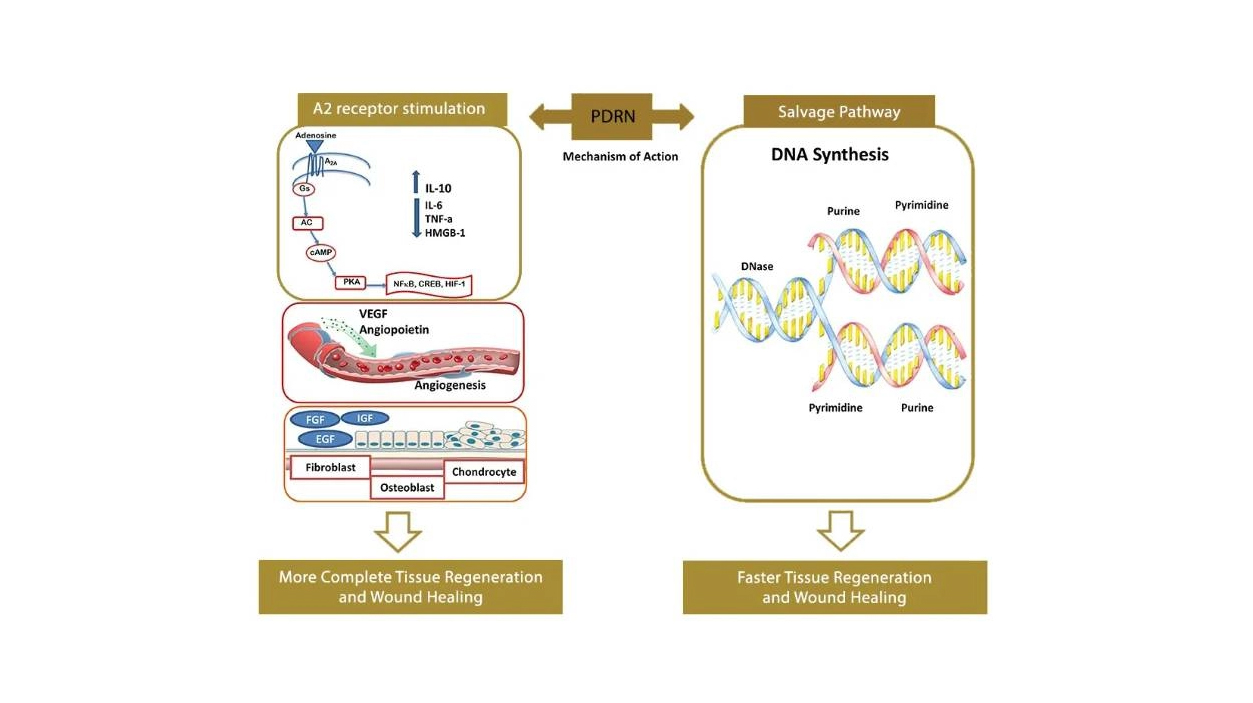
Adverse effects of Polydeoxyribonucleotide

3. Inflammatory paradox reaction (transient)

In some cases, early treatment may cause:

  • Temporary increased redness or swelling
  • Mild inflammatory flare at treatment site

This is usually:

a short-lived immune activation phase before regenerative signaling dominates.

4. Infection-related risks (procedure-dependent, not drug-dependent)

Not caused by Polydeoxyribonucleotide (PDRN) itself, but by administration method:

  • Bacterial infection at injection site
  • Sterile abscess (rare)
  • Folliculitis if poor skin preparation is used

Risk increases with:

  • non-sterile technique
  • repeated injections
  • compromised skin barrier

5. Rare systemic effects

Very uncommon in clinical use:

  • Headache
  • Mild fatigue
  • Dizziness (usually transient and non-specific)

No strong evidence of:

  • organ toxicity
  • endocrine disruption
  • Carcinogenicity

6. Contraindications / caution groups

Polydeoxyribonucleotide (PDRN) is usually avoided or used cautiously in:

  • Active infection at treatment site
  • Severe hypersensitivity to fish-derived products
  • Autoimmune conditions (relative caution, not absolute contraindication)
  • Pregnancy/lactation (limited safety data → precautionary avoidance in many protocols)

7. Topical Polydeoxyribonucleotide (PDRN) adverse effects (if used in creams/serums)

Generally minimal, but may include:

  • mild irritation
  • transient redness
  • sensitivity when combined with strong actives (retinoids, acids)

8. Key safety insight

Polydeoxyribonucleotide (PDRN) is safety profile is defined by this principle:

  • The molecule itself has low intrinsic toxicity; adverse effects are mostly related to delivery method and individual immune sensitivity.

9. One-line summary

Polydeoxyribonucleotide (PDRN) is adverse effects are usually mild local injection reactions, rare hypersensitivity (often fish-derived), and occasional procedure-related complications, with very low systemic toxicity overall.

If you want, I can compare its safety profile directly with PRP, hyaluronic acid fillers, and biostimulatory peptides (like GHK-Cu or growth factors) so you can see how it ranks in regenerative treatments.

From cellsbio health technology co.,ltd

评论

此博客中的热门博文

Basic information of Collagen and Where you can buy Collagen CAS#9064-67-9?

  Collagen   is the most abundant protein in the human body, making up about 30% of the body’s total protein content. It plays a crucial role in providing structure, strength, and elasticity to various tissues and organs, including the skin, bones, tendons, ligaments, blood vessels, and even the cornea of the eyes. Types of Collagen There are at least 28 types of collagen, but the most common types are: Type I:  The most abundant form, found in skin, bones, tendons, and ligaments. Type II:  Found in cartilage and helps provide joint support. Type III:  Found in the skin, muscles, and blood vessels, often present alongside type I collagen. Type IV:  Found in the layers of the skin and the kidneys. Type V:  Found in the cornea of the eye, hair, and placenta. Structure of Collagen Collagen is made up of amino acids, primarily glycine, proline, and hydroxyproline. These amino acids form a triple-helix structure, which provides the tensile strength and...

How best to use the Hericium Erinaceus Capsule?

  Hericium erinaceus, commonly known as lion’s mane mushroom, is a type of edible and medicinal mushroom with potential health benefits. Lion’s mane mushroom is often consumed in various forms, including capsules, powders, extracts, and as a whole food. If you have lion’s mane mushroom in capsule form ( Hericium erinaceus capsule ), here are some tips on how to use them effectively: Follow Dosage Instructions:  The dosage can vary depending on the concentration of the active ingredients in the capsules and individual factors such as age, weight, and health condition. Always follow the recommended dosage instructions provided on the product packaging or by a healthcare professional. Consistency is Key:  Like many supplements, lion’s mane may take time to produce noticeable effects. Consistent use over time is often more effective than sporadic usage. Stick to a regular dosing schedule to maximize the potential benefits. Take with Food:  It’s generally recommended to t...

Comprehensive study on White Willow Extract

Studying   white willow extract   involves exploring its botanical properties, historical uses, active compounds, potential health benefits, and safety considerations. Here’s a comprehensive overview: Botanical Overview: Scientific Name:  Salix alba Common Names:  White willow, European willow Description:  A deciduous tree native to Europe and Asia, known for its slender leaves and grayish bark. Active Compounds: Salicin:  Primary active compound, a natural precursor to salicylic acid. Flavonoids:  Including flavonols and catechins, contributing to antioxidant properties. Phenolic Glycosides:  Various compounds with potential health benefits. Historical Use: Traditional Medicine:  Used for centuries in traditional European and Asian medicine for pain relief, fever reduction, and inflammatory conditions. Health Benefits and Current Research: Pain Relief:  Acts similarly to aspirin in relieving pain and inflammation due to salicin’s conve...