Palmitoylethanolamide (PEA) is a naturally occurring fatty acid amide that has gained attention for its potential health benefits. It is primarily produced by the body in response to inflammation, injury, and stress. Palmitoylethanolamide has been studied for its ability to modulate several biological processes, especially related to pain, inflammation, and immune function. Here’s why it may be beneficial:
1. Anti-inflammatory Effects
Palmitoylethanolamide has potent anti-inflammatory properties. It interacts with receptors in the body that regulate the inflammatory response, potentially helping to reduce chronic inflammation associated with conditions like arthritis, multiple sclerosis, and other inflammatory diseases.
2. Pain Relief
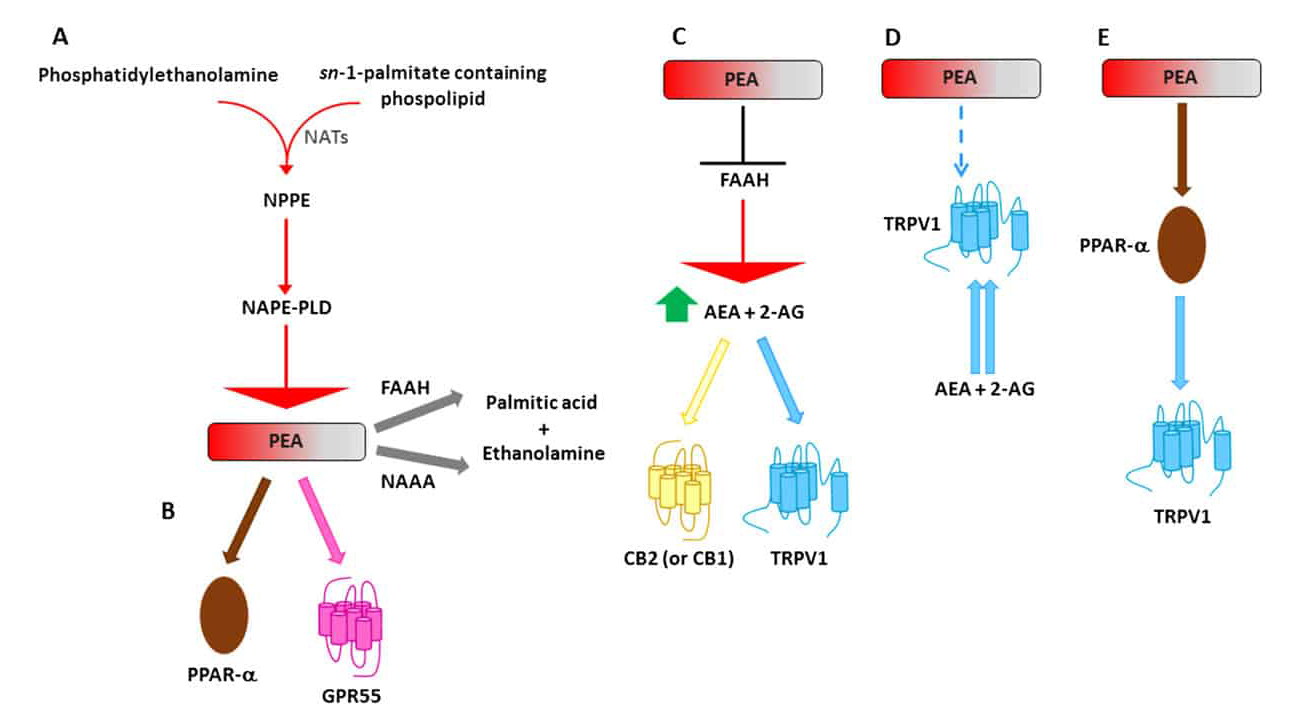
One of the key benefits of Palmitoylethanolamide is its ability to alleviate pain. It has been shown to reduce pain in conditions like neuropathic pain, fibromyalgia, and chronic pain syndromes. Palmitoylethanolamide is thought to work by modulating the endocannabinoid system and influencing the activity of mast cells, which play a role in pain and inflammation.
3. Neuroprotective Effects
Palmitoylethanolamide has neuroprotective properties, which may help protect the nervous system from damage caused by oxidative stress, inflammation, or injury. This makes it a potential therapeutic option for neurodegenerative diseases such as Alzheimer’s and Parkinson’s.
4. Immune System Modulation
Palmitoylethanolamide can modulate immune system activity, balancing the immune response and potentially reducing overactive immune responses, which are seen in autoimmune diseases and conditions involving chronic inflammation.
5. Potential Benefits for Skin Conditions
Palmitoylethanolamide is thought to help manage certain skin conditions, like eczema and psoriasis, by reducing inflammation and itching, though research in this area is still ongoing.
6. Mood and Mental Health Support
Some studies suggest that Palmitoylethanolamide may help with mood disorders like depression and anxiety. Its effect on the endocannabinoid system and its ability to reduce inflammation in the brain may contribute to its potential role in enhancing mood and overall mental health.
7. Safety Profile
One of the reasons Palmitoylethanolamide has attracted attention is its generally good safety profile. As a naturally occurring substance, it is often considered to be well-tolerated, and it is available as a supplement without the significant side effects associated with many pharmaceutical drugs.
Why We May Need It:
- Chronic Pain: If you suffer from chronic conditions like neuropathy or fibromyalgia, Palmitoylethanolamide may help reduce pain and improve quality of life.
- Inflammation: For conditions like arthritis or autoimmune diseases, Palmitoylethanolamide could help reduce inflammation and alleviate symptoms.
- Neuroprotection: It may be useful in protecting the nervous system and supporting cognitive health.
- General Well-Being: Given its potential to improve mood and reduce stress, Palmitoylethanolamide might be beneficial for people dealing with mental health challenges.
In summary, Palmitoylethanolamide is a versatile compound with potential applications in reducing inflammation, managing pain, protecting the nervous system, and supporting overall health. However, more research is needed to fully understand its long-term effects and therapeutic potential.
评论
发表评论