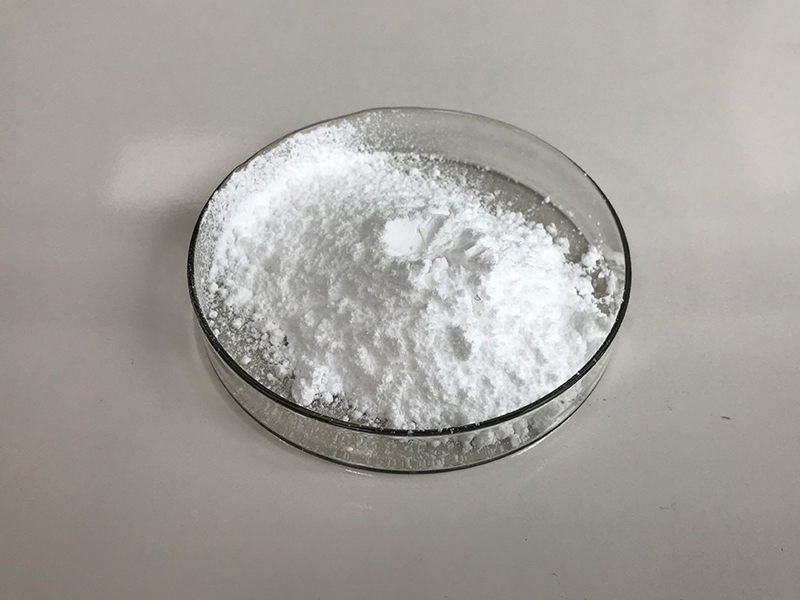
Tranexamic acid is a medication that is used to treat or prevent excessive bleeding (hemorrhage). It works by helping to reduce the breakdown of blood clots in the body. This is achieved by inhibiting a process called fibrinolysis, which is the dissolution of blood clots.
Tranexamic acid can be administered orally, intravenously, or topically, depending on the condition being treated. It is commonly used in various medical situations, including:
Surgery: Tranexamic acid is often used during surgical procedures to reduce bleeding. It can be especially helpful in surgeries where there is a risk of significant blood loss, such as orthopedic surgery or heart surgery.
Trauma: In cases of traumatic injuries or accidents, tranexamic acid may be used to control bleeding and prevent excessive blood loss.
Menstrual bleeding: It can be prescribed to manage heavy menstrual bleeding in women.
Hereditary bleeding disorders: Tranexamic acid is sometimes prescribed for individuals with conditions like hemophilia or von Willebrand disease to help control bleeding episodes.
Nosebleeds: It can be used topically (in the form of a nose spray) to stop nosebleeds.
Dental procedures: Dentists may use tranexamic acid to control bleeding during oral surgeries or extractions.
It’s important to note that tranexamic acid should be used under the guidance and prescription of a healthcare professional, as it can have side effects and may not be suitable for all individuals, particularly those with a history of blood clots. While it can be highly effective in preventing or treating bleeding, it should be used with caution and in the appropriate clinical context.
How to use Tranexamic Acid?
Tranexamic acid is a medication that is used to prevent or reduce excessive bleeding. It can be administered in several ways, and the appropriate method of use will depend on the condition being treated. Here are some common uses and methods for using tranexamic acid:
1.Menstrual bleeding (menorrhagia):
Oral tablets: The typical dose for heavy menstrual bleeding is 1,300 mg (two 650 mg tablets) taken three times a day during the menstrual period.
Your healthcare provider will provide specific instructions, and it’s important to follow the prescribed dosage and duration.
2.Surgery or dental procedures:
Tranexamic acid may be used before, during, or after certain surgeries, such as orthopedic procedures, to reduce bleeding. Your healthcare provider will determine the timing and dosage.
For dental procedures, it can be administered orally before the procedure.
3.Trauma or injury:
In cases of significant bleeding due to trauma, tranexamic acid may be administered intravenously (IV) by a healthcare professional. The dosage and timing will depend on the severity of the bleeding.
4.Nosebleeds (epistaxis):
For recurrent nosebleeds, tranexamic acid may be prescribed as a topical solution to apply directly to the bleeding area in the nose. Follow your healthcare provider’s instructions for use.
When using tranexamic acid, it’s important to:
Take the medication exactly as prescribed by your healthcare provider. Do not change the dosage or frequency without their guidance.
Inform your healthcare provider about any other medications or supplements you are taking, as some interactions may occur.
Be aware of potential side effects, such as gastrointestinal discomfort or rare allergic reactions, and report any unusual symptoms to your healthcare provider.
If you miss a dose, take it as soon as you remember, unless it’s close to the time for the next dose. Do not double up on doses to make up for a missed one.
Do not use tranexamic acid without a prescription or medical supervision.
Tranexamic acid should always be used under the guidance of a qualified healthcare professional who will determine the appropriate form and dosage based on your specific medical condition and needs. If you have any questions or concerns about using tranexamic acid, consult with your healthcare provider.
评论
发表评论