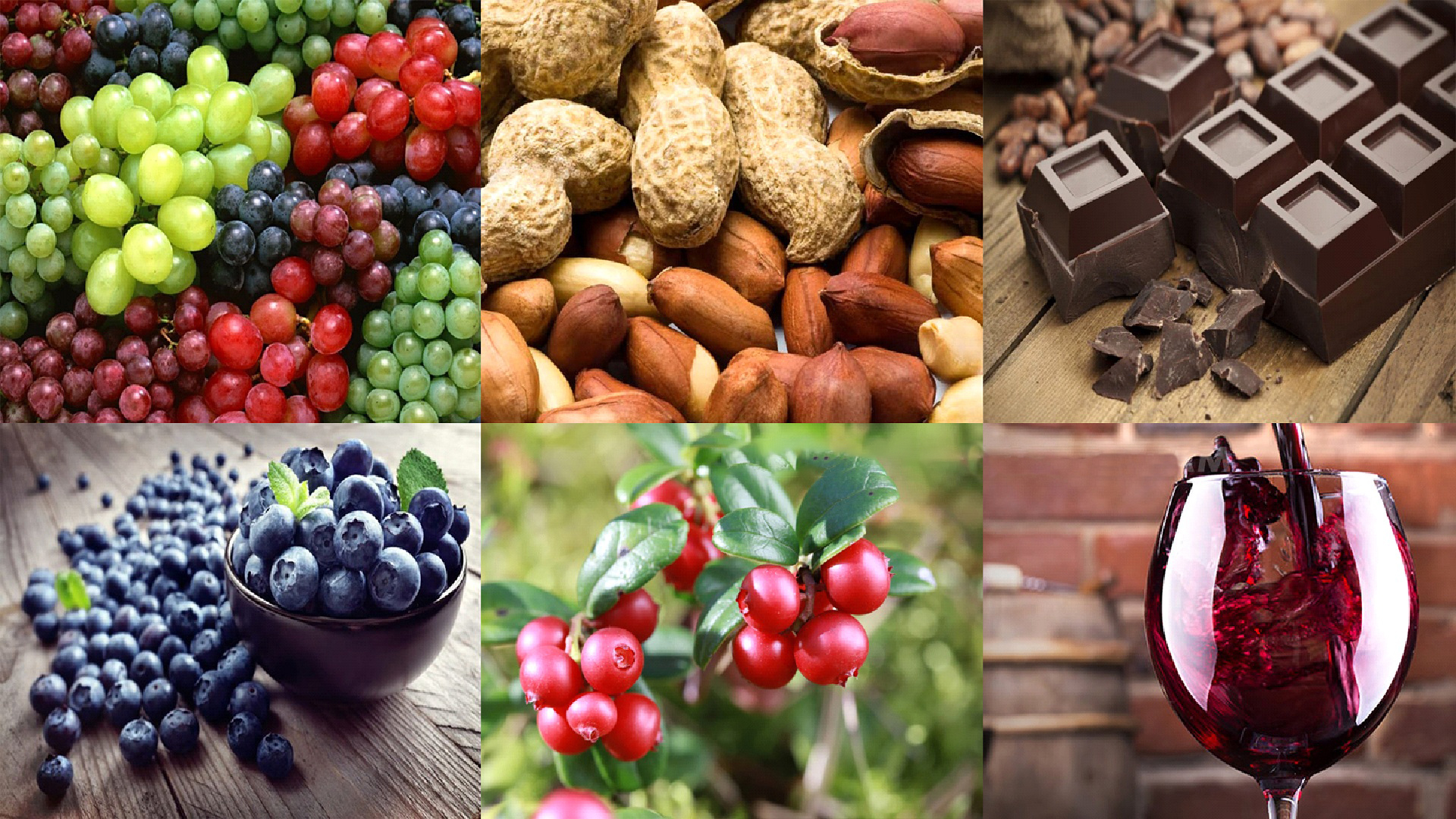
Resveratrol is a naturally occurring polyphenol found in various plants, such as grapes, berries, and peanuts, and is best known for its potential health benefits. It has gained significant attention due to its antioxidant, anti-inflammatory, and potential anti-aging properties.
1. Antioxidant Properties
Resveratrol is a potent antioxidant, meaning it helps neutralize free radicals in the body. Free radicals are unstable molecules that can damage cells and contribute to aging, cancer, and various chronic diseases. By neutralizing these free radicals, resveratrol may help protect against oxidative stress and cellular damage.
2. Anti-inflammatory Effects
Chronic inflammation is linked to many health problems, including heart disease, diabetes, and arthritis. Resveratrol has been shown to reduce inflammation by inhibiting certain enzymes and pathways that promote inflammation, potentially lowering the risk of inflammatory-related diseases.
3. Cardiovascular Health
Resveratrol may help protect the heart by improving endothelial function (the lining of blood vessels), increasing blood flow, and reducing the risk of blood clots. It is believed to reduce the risk of cardiovascular disease by decreasing LDL (“bad”) cholesterol and promoting the relaxation of blood vessels, which helps lower blood pressure.
4. Anti-Aging Effects
One of the most popular claims surrounding resveratrol is its ability to slow down the aging process. Some studies have suggested that resveratrol activates certain genes, particularly the sirtuins, which are involved in cellular repair and longevity. While there is ongoing research into this area, resveratrol’s ability to activate these genes is thought to mimic the effects of calorie restriction, which has been linked to increased lifespan in animal models.
5. Neuroprotective Effects
Resveratrol may have neuroprotective benefits by preventing or reducing the accumulation of amyloid plaques, a hallmark of Alzheimer’s disease. It also appears to promote neurogenesis (the growth of new brain cells) and protect against neurodegeneration, potentially reducing the risk of cognitive decline.
6. Cancer Prevention
Some research suggests that resveratrol has anticancer properties by inhibiting the growth of cancer cells and preventing the spread (metastasis) of certain types of cancer, including breast, prostate, and colon cancer. It works through multiple mechanisms, such as inducing apoptosis (programmed cell death) and inhibiting the activity of enzymes that promote tumor growth.
7. Metabolic Health
Resveratrol may improve insulin sensitivity and help regulate blood sugar levels, which can be beneficial in managing conditions like type 2 diabetes. It may also support weight management by enhancing fat metabolism and reducing the accumulation of fat in the body.
8. Skin Health
Due to its antioxidant and anti-inflammatory properties, resveratrol is often included in skincare products. It can help protect the skin from UV-induced damage, reduce wrinkles, and enhance overall skin appearance. Resveratrol may also help prevent the breakdown of collagen, a protein essential for maintaining skin elasticity.
Forms and Dosage
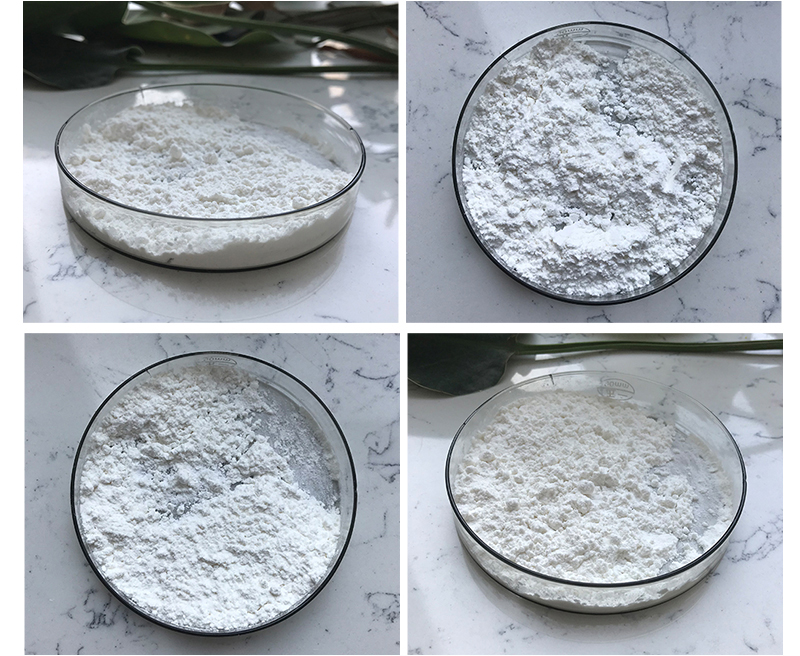
Resveratrol is available in various forms, including supplements, creams, and in foods like red wine, grapes, and berries. The most common dosage in supplements ranges from 100 mg to 500 mg per day, though higher doses have been used in some studies.
Potential Side Effects
Resveratrol is generally considered safe when taken in moderate amounts, but large doses may cause side effects, such as digestive issues, headaches, or interactions with blood-thinning medications. Always consult with a healthcare provider before starting a supplement regimen, especially if you are taking medications or have a medical condition.
Conclusion
Resveratrol is a promising compound with a variety of potential health benefits, ranging from antioxidant and anti-inflammatory effects to improved cardiovascular health and even anti-aging properties. However, while many of the studies are promising, more research, especially in humans, is needed to fully understand its effectiveness and optimal dosages.
Would you like more detailed information on a specific use or benefit of resveratrol?
评论
发表评论