Polyglutamic acid (PGA) is a naturally occurring biopolymer composed of glutamic acid residues. It has a wide range of applications across various fields due to its unique properties, such as high water retention, biocompatibility, and biodegradability. Below are some of the key uses of polyglutamic acid:
1. Cosmetics and Skincare
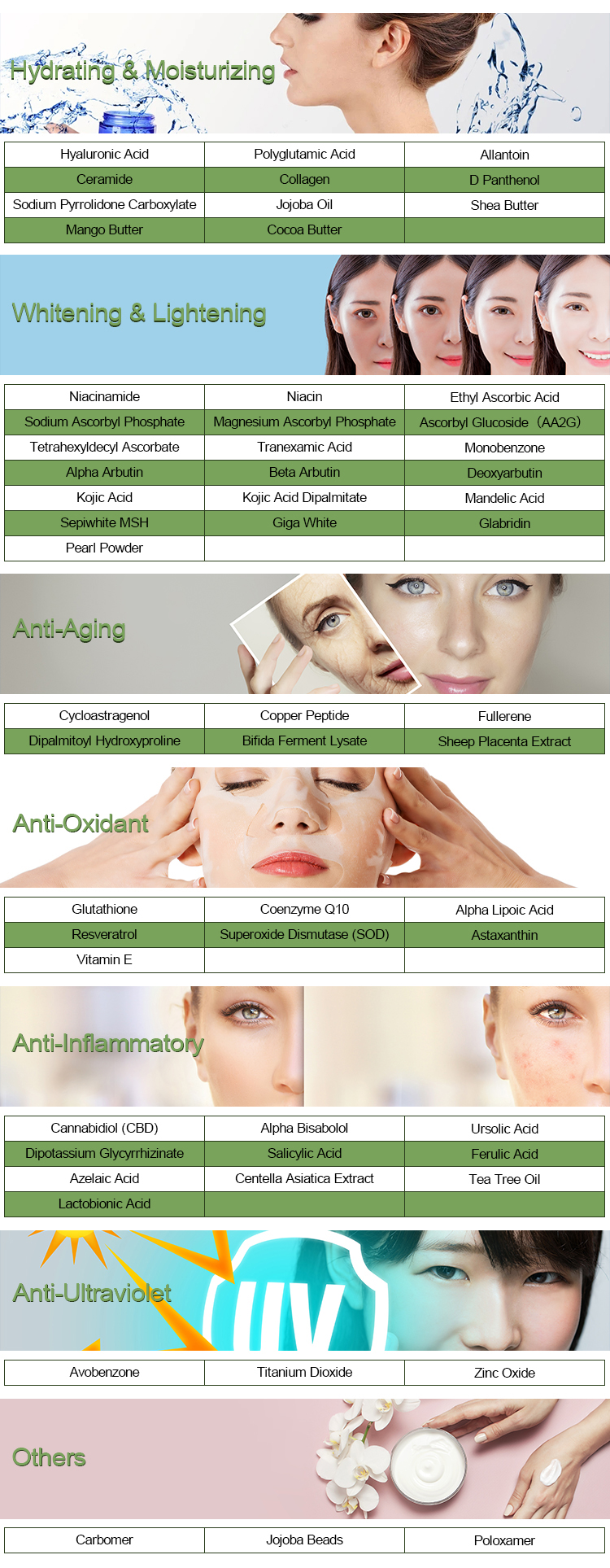
- Moisturizer: Polyglutamic acid is used in skin care products because of its ability to retain moisture. It has been found to hold water up to 5,000 times its weight, which makes it an excellent humectant in moisturizers, serums, and other skincare formulations.
- Anti-aging: By improving hydration and skin elasticity, Polyglutamic acid can help reduce the appearance of fine lines and wrinkles. It can also enhance the skin’s barrier function and support skin regeneration.
- Skin Soothing: Polyglutamic acid can help soothe irritated skin, making it beneficial for sensitive skin types and conditions like eczema or psoriasis.
2. Medical and Pharmaceutical Uses
- Drug Delivery: Polyglutamic acid has been explored as a carrier for drug delivery systems. Its ability to form biocompatible and biodegradable nanocarriers allows for targeted drug delivery, particularly in cancer therapies.
- Wound Healing: Polyglutamic acid has been shown to promote wound healing by maintaining moisture at the wound site and promoting cell growth, which aids tissue regeneration.
- Bioengineering: It can be used in tissue engineering and regenerative medicine due to its biocompatibility, which allows it to be integrated into the human body without causing immune reactions.
3. Agriculture
- Soil Improvement: Polyglutamic acid is used in agriculture to improve soil structure and water retention. It helps reduce water evaporation and can make soil more conducive to plant growth.
- Plant Growth Enhancer: As a water-retaining agent, Polyglutamic acid can be used to enhance the growth of crops, especially in dry regions where water scarcity is an issue.
- Slow-Release Fertilizers: Polyglutamic acid can be used to encapsulate fertilizers, providing a slow-release mechanism that ensures nutrients are available to plants over time.
4. Food Industry
- Food Additive: Polyglutamic acid is used in the food industry as a thickening agent, stabilizer, and emulsifier. It improves the texture of food products and increases their shelf life by preventing water separation.
- Probiotics and Fermented Foods: Polyglutamic acid is used in the fermentation of some foods, contributing to the overall texture and nutritional value of the final product.
- Edible Coatings: Polyglutamic acid can be applied as an edible coating for food products to enhance moisture retention and extend shelf life.
5. Environmental Applications
- Water Treatment: Polyglutamic acid can be used in wastewater treatment to help coagulate and flocculate contaminants, making it easier to remove pollutants from water.
- Biodegradable Plastics: Due to its biodegradability, Polyglutamic acid is a potential alternative to synthetic plastics in creating environmentally friendly materials.
6. Industrial Uses
- Biodegradable Polymers: Polyglutamic acid is also being explored as a component in biodegradable plastic formulations. This can be an environmentally friendly alternative to conventional plastics.
- Surfactants and Emulsifiers: In industrial processes, Polyglutamic acid can be used as a surfactant or emulsifier in various formulations, especially in the manufacturing of cleaning products and detergents.
7. Nanotechnology
- Nanoparticle Formation: Polyglutamic acid can be used to create nanoparticles for applications in drug delivery, diagnostics, and as a stabilizing agent for other nanoparticles.
8. Biomedical Research
- Protein-Polymer Conjugates: In research, polyglutamic acid can be conjugated to proteins to study their interactions and behavior in different environments, which has potential in the development of targeted therapies and biomolecular studies.
In summary, polyglutamic acid’s versatile properties make it useful in a wide range of industries, from cosmetics to medicine, agriculture, and environmental science. Its biocompatibility and biodegradability are key reasons for its growing popularity in sustainable and eco-friendly applications.
评论
发表评论