L-Tryptophan is an essential amino acid that plays a vital role in the body, particularly in the production of certain neurotransmitters and metabolic processes.
Uses of L-Tryptophan
1. Precursor to Serotonin
- Mood Regulation: L-Tryptophan is converted into serotonin in the brain, which is a neurotransmitter that helps regulate mood, sleep, and appetite. Higher serotonin levels are often associated with improved mood and reduced symptoms of depression and anxiety.
- Mental Health: Because of its role in serotonin production, L-tryptophan is sometimes used as a supplement for improving symptoms of depression, anxiety, and stress. It may help with mood stabilization and promote relaxation.
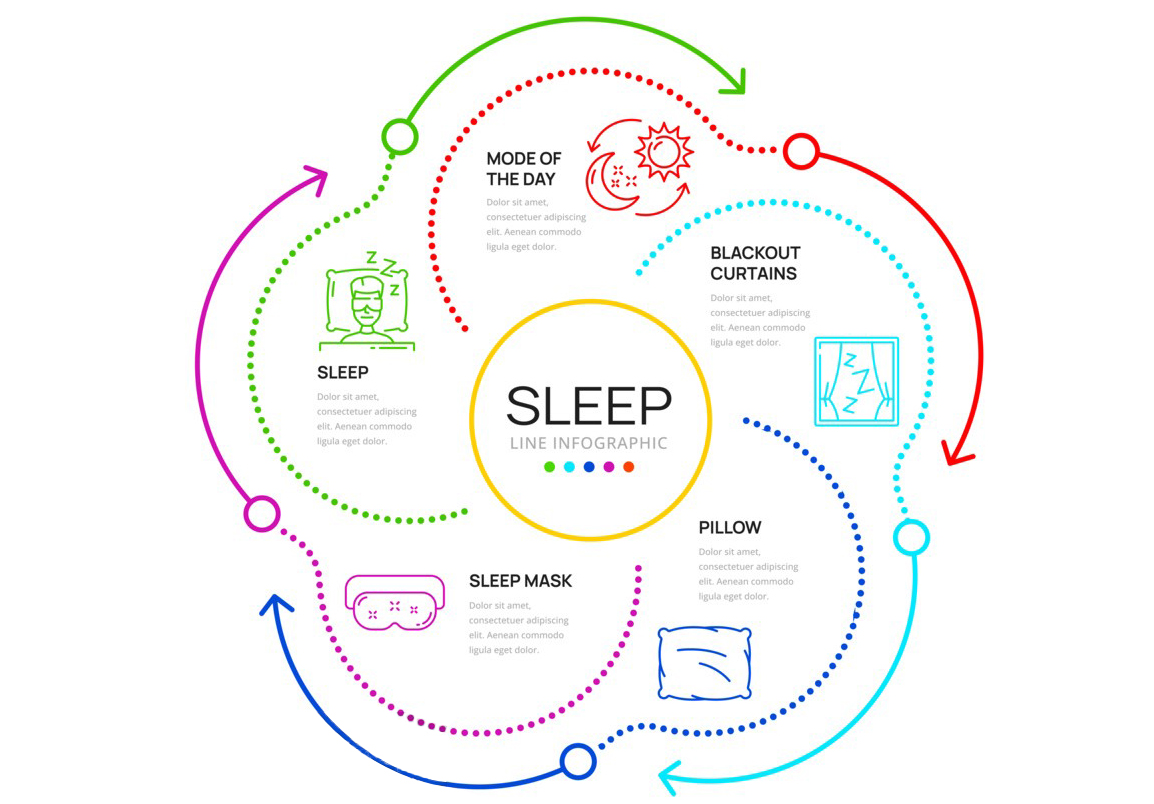
2. Sleep Aid
- Improved Sleep Quality: L-Tryptophan is involved in the synthesis of melatonin, a hormone that helps regulate the sleep-wake cycle. Supplementing with L-Tryptophan can help improve sleep quality and may assist those with insomnia or other sleep disorders.
3. Appetite Regulation
- Appetite Control: Serotonin, which is derived from L-Tryptophan, also plays a role in regulating appetite. Some studies suggest that L-Tryptophan supplementation may help reduce overeating or improve satiety during meals.
4. Pain Relief
- Pain Management: L-Tryptophan has been studied for its potential role in reducing pain perception. It may help reduce chronic pain conditions, such as fibromyalgia or migraine, due to its effects on serotonin and other neurotransmitters involved in pain regulation.
5. Supporting Cognitive Function
- Memory and Learning: Because serotonin and other brain chemicals are involved in cognitive processes, L-Tryptophan may support memory, learning, and overall brain function.
6. Mood Disorders and Depression
- Supplement for Depression: L-Tryptophan is sometimes used as a natural supplement to help alleviate symptoms of depression, particularly in people who have low serotonin levels. It can sometimes be used alongside other treatments, such as therapy or medications, though more research is needed to fully understand its effectiveness.
7. Potential Role in Weight Loss
- May Aid Weight Loss: Some studies suggest that L-Tryptophan may help reduce food cravings, especially for carbohydrate-rich foods. This effect could potentially help with weight management or reduce emotional eating.
8. Hormonal Balance
- Regulation of Hormones: In addition to its role in serotonin and melatonin production, L-Tryptophan may also be involved in the synthesis of other important hormones, contributing to overall hormonal balance.
9. Stress Relief
- Relieves Stress: Due to its role in serotonin production, L-Tryptophan may promote relaxation and reduce stress, making it a potential supplement for those dealing with high levels of stress or anxiety.
10. Muscle Protein Synthesis
- Muscle Recovery: As an amino acid, L-Tryptophan plays a role in the synthesis of proteins in the body. This could be particularly beneficial for muscle recovery after exercise or physical stress.
11. Potential Role in Migraines
- Migraine Relief: Some studies have explored the use of L-Tryptophan in reducing the frequency and intensity of migraines, due to its effects on serotonin, a neurotransmitter involved in migraine pathophysiology.
12. Supporting Immune Function
- Immune Support: There’s some evidence that L-Tryptophan can influence immune function by affecting the production of certain immune cells. Its effects on serotonin may also impact immune responses.
Sources of L-Tryptophan
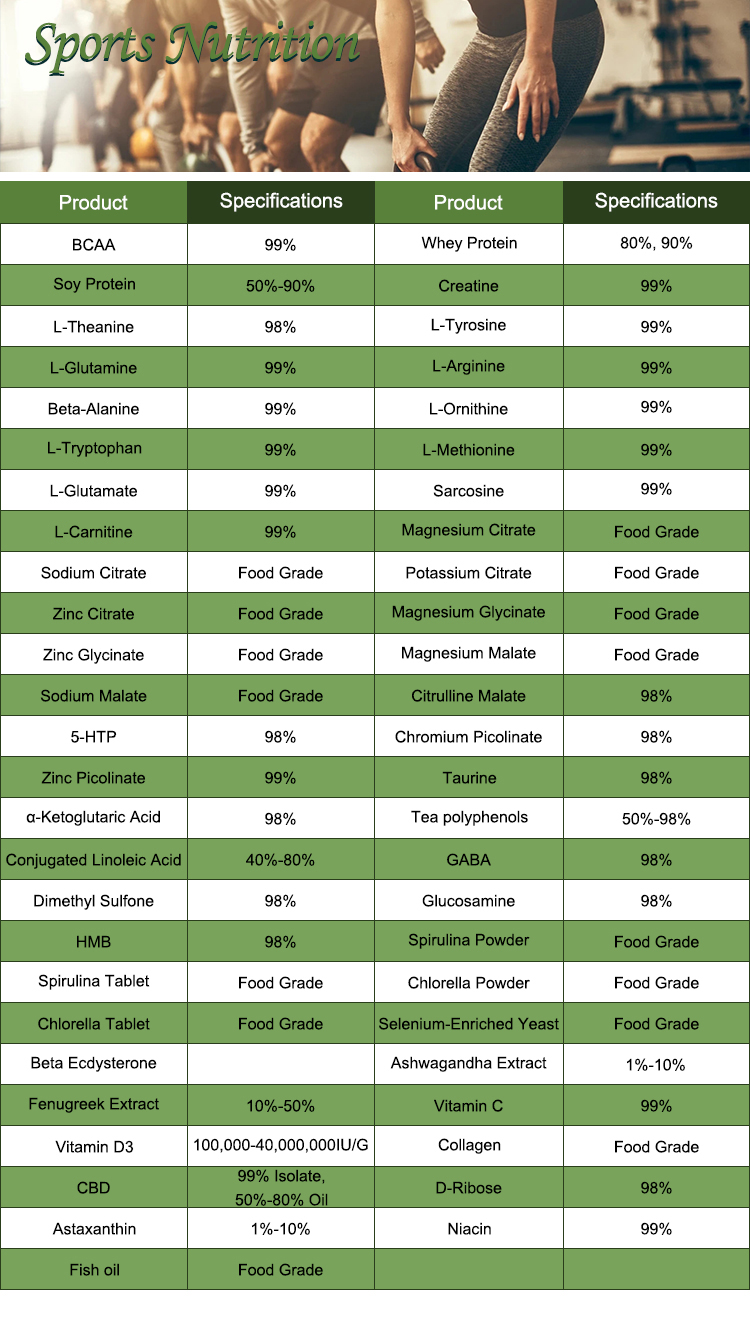
- L-Tryptophan is naturally found in foods rich in protein such as turkey, chicken, eggs, dairy products, seeds, nuts, and legumes. It can also be taken as a supplement, commonly in forms like L-Tryptophan or 5-HTP (5-hydroxytryptophan), which is a precursor to serotonin.
Caution
- Side Effects: While L-Tryptophan is generally considered safe when taken in appropriate amounts, excessive intake can cause side effects such as nausea, dizziness, and headaches. It’s always recommended to consult with a healthcare provider before starting supplementation, especially if you are taking medications, especially antidepressants (like SSRIs) or other serotonin-affecting drugs.
In summary, L-Tryptophan is a versatile amino acid that contributes to the production of vital neurotransmitters, such as serotonin and melatonin, influencing mood, sleep, appetite, and pain perception. However, while supplementation can be helpful for certain conditions, it should be done cautiously and under medical supervision.
评论
发表评论