跳至主要内容

The role of Fisetin in Cosmetics

 Fisetin, a flavonoid found in various fruits and vegetables like strawberries, apples, and onions, has been gaining attention in cosmetics for its numerous skin benefits. Its role in skincare and cosmetics is primarily based on its potent antioxidant, anti-inflammatory, and anti-aging properties. Here’s a closer look at its functions:

1. Antioxidant Properties

  • Fisetin helps neutralize free radicals, which are unstable molecules that can damage skin cells and accelerate aging.
  • By reducing oxidative stress, it protects the skin from environmental damage caused by UV radiation, pollution, and other external aggressors.

2. Anti-Aging Effects

  • Fisetin has been shown to promote the production of collagen, a protein essential for maintaining skin elasticity and reducing wrinkles.
  • It inhibits enzymes like collagenase and elastase that break down collagen and elastin, helping to preserve skin firmness.
  • Its ability to activate cellular repair mechanisms may slow down visible signs of aging.
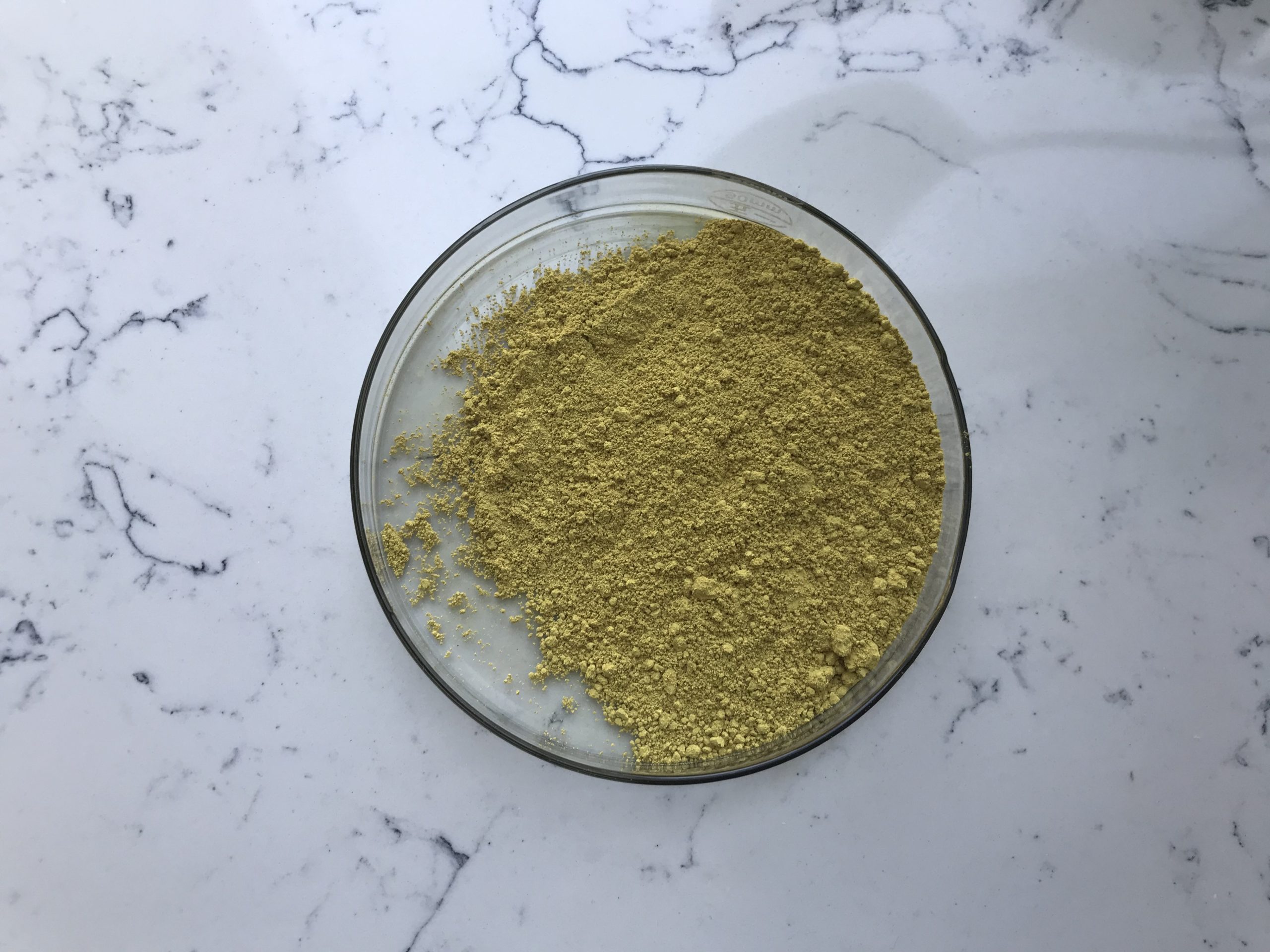
The role of Fisetin in Cosmetics

3. Anti-Inflammatory Properties

  • Fisetin reduces inflammation by modulating inflammatory pathways, which can help soothe irritated skin.
  • This makes it beneficial for sensitive or acne-prone skin, as it helps calm redness and prevent flare-ups.

4. Skin Brightening

  • Fisetin can inhibit tyrosinase, an enzyme involved in melanin production, which may help reduce hyperpigmentation and promote a more even skin tone.

5. Senolytic Effects

  • A unique property of fisetin is its ability to act as a senolytic agent, meaning it helps clear senescent (aged or damaged) cells from the skin.
  • Removing these cells can rejuvenate the skin, improving its overall texture and appearance.

6. Wound Healing

  • Fisetin’s role in enhancing cellular repair and reducing inflammation can contribute to faster wound healing, making it valuable in products for damaged or compromised skin.

Application in Cosmetics

Fisetin is incorporated into a variety of cosmetic formulations, including:

  • Anti-aging creams and serums: To target wrinkles, fine lines, and sagging skin.
  • Brightening products: To address pigmentation and uneven skin tone.
  • Sensitive skin products: To calm inflammation and irritation
  • Sunscreens: As an antioxidant booster to protect against UV damage.
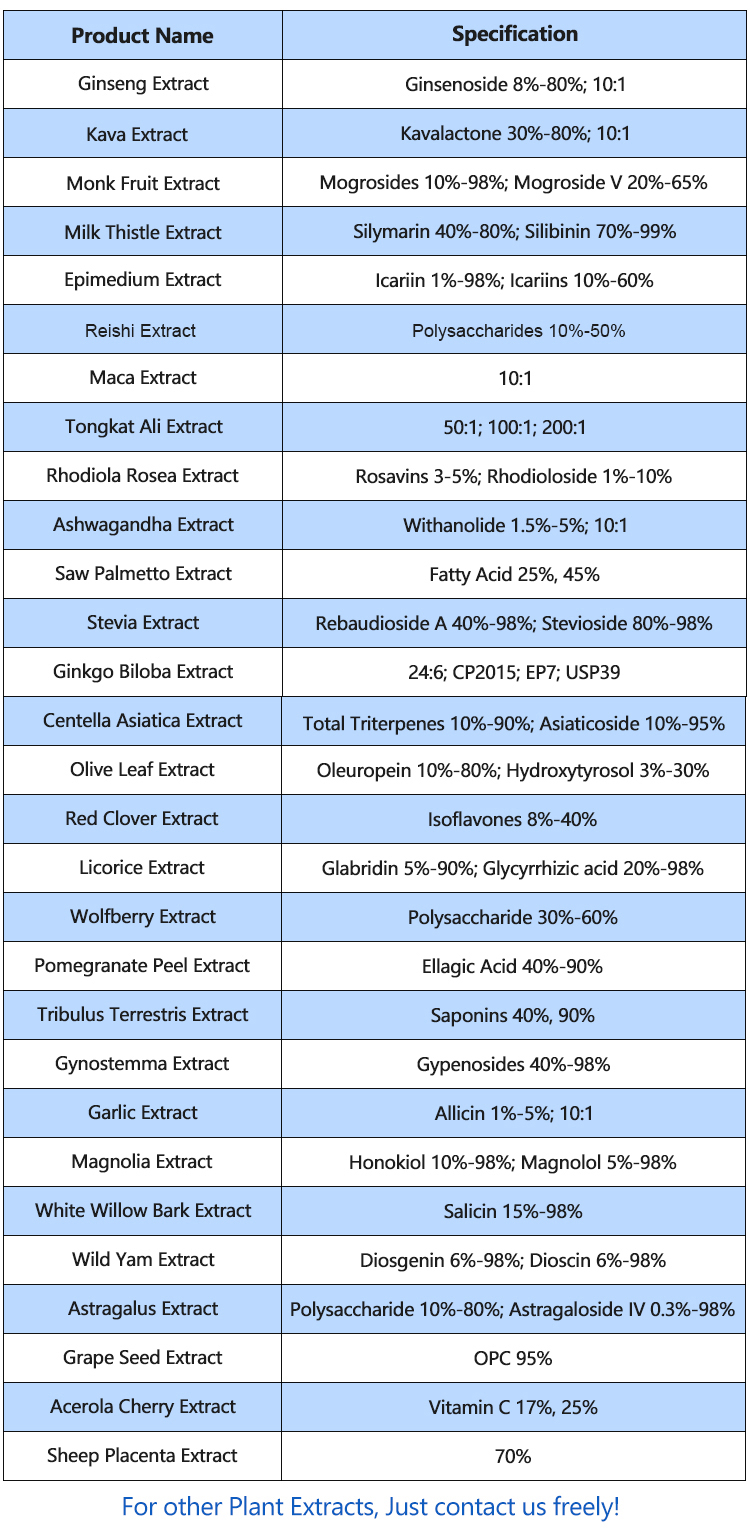
The role of Fisetin in Cosmetics

Challenges

  • Stability: Like many plant-derived compounds, fisetin may degrade when exposed to light, heat, or oxygen, requiring stabilization techniques in formulations.
  • Skin Penetration: Its bioavailability in topical applications can be a concern, so it may be paired with carriers like liposomes or nanotechnology to enhance absorption.

Fisetin is multifunctional benefits and natural origin make it a promising ingredient in modern cosmetic science, especially for those seeking holistic and plant-based skincare solutions.

评论

此博客中的热门博文

Basic information of Collagen and Where you can buy Collagen CAS#9064-67-9?

  Collagen   is the most abundant protein in the human body, making up about 30% of the body’s total protein content. It plays a crucial role in providing structure, strength, and elasticity to various tissues and organs, including the skin, bones, tendons, ligaments, blood vessels, and even the cornea of the eyes. Types of Collagen There are at least 28 types of collagen, but the most common types are: Type I:  The most abundant form, found in skin, bones, tendons, and ligaments. Type II:  Found in cartilage and helps provide joint support. Type III:  Found in the skin, muscles, and blood vessels, often present alongside type I collagen. Type IV:  Found in the layers of the skin and the kidneys. Type V:  Found in the cornea of the eye, hair, and placenta. Structure of Collagen Collagen is made up of amino acids, primarily glycine, proline, and hydroxyproline. These amino acids form a triple-helix structure, which provides the tensile strength and...

Comprehensive study on White Willow Extract

Studying   white willow extract   involves exploring its botanical properties, historical uses, active compounds, potential health benefits, and safety considerations. Here’s a comprehensive overview: Botanical Overview: Scientific Name:  Salix alba Common Names:  White willow, European willow Description:  A deciduous tree native to Europe and Asia, known for its slender leaves and grayish bark. Active Compounds: Salicin:  Primary active compound, a natural precursor to salicylic acid. Flavonoids:  Including flavonols and catechins, contributing to antioxidant properties. Phenolic Glycosides:  Various compounds with potential health benefits. Historical Use: Traditional Medicine:  Used for centuries in traditional European and Asian medicine for pain relief, fever reduction, and inflammatory conditions. Health Benefits and Current Research: Pain Relief:  Acts similarly to aspirin in relieving pain and inflammation due to salicin’s conve...

How best to use the Hericium Erinaceus Capsule?

  Hericium erinaceus, commonly known as lion’s mane mushroom, is a type of edible and medicinal mushroom with potential health benefits. Lion’s mane mushroom is often consumed in various forms, including capsules, powders, extracts, and as a whole food. If you have lion’s mane mushroom in capsule form ( Hericium erinaceus capsule ), here are some tips on how to use them effectively: Follow Dosage Instructions:  The dosage can vary depending on the concentration of the active ingredients in the capsules and individual factors such as age, weight, and health condition. Always follow the recommended dosage instructions provided on the product packaging or by a healthcare professional. Consistency is Key:  Like many supplements, lion’s mane may take time to produce noticeable effects. Consistent use over time is often more effective than sporadic usage. Stick to a regular dosing schedule to maximize the potential benefits. Take with Food:  It’s generally recommended to t...