NMN (Nicotinamide Mononucleotide) has garnered significant interest in recent years for its potential to improve health and slow the aging process. Here’s an overview of the key areas of research progress related to NMN:
1. Mechanism of Action
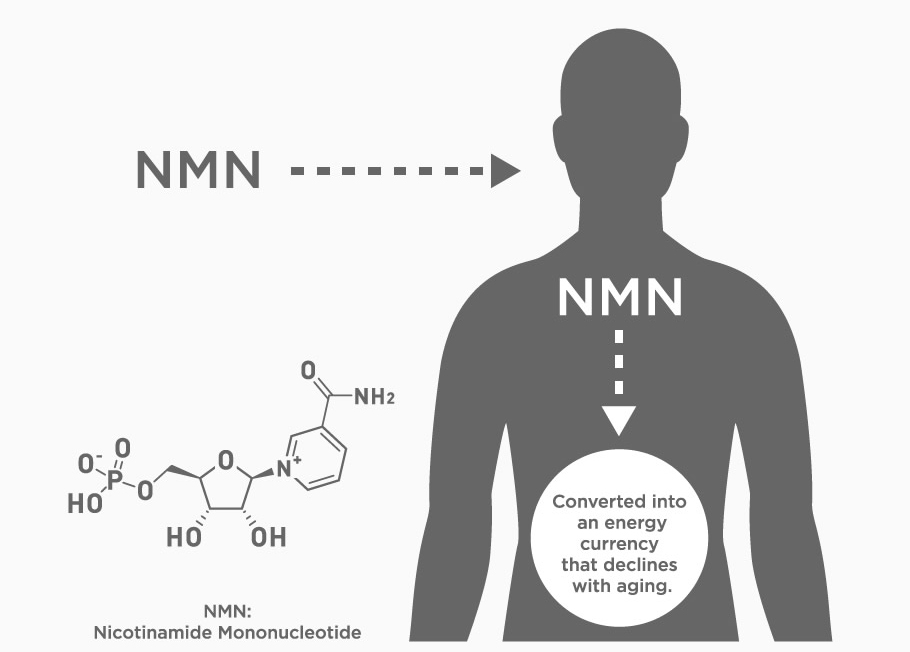
NAD+ Precursor: NMN is a direct precursor of nicotinamide adenine dinucleotide (NAD+), a crucial coenzyme involved in numerous cellular processes, including energy production, DNA repair, and regulation of cellular metabolism. NAD+ levels naturally decline with age, and this decline is associated with various age-related diseases. By boosting NAD+ levels, NMN is thought to potentially counteract some of these negative effects.
Sirtuin Activation: NAD+ is essential for the activity of sirtuins, a family of proteins that play key roles in regulating cellular stress responses, inflammation, and metabolic health. Sirtuins are involved in longevity, DNA repair, and mitochondrial function. NMN supplementation has been shown in animal studies to activate sirtuins, suggesting it could contribute to lifespan extension and age-related disease prevention.
2. Animal Studies
Lifespan and Healthspan: Research in mice has shown that NMN supplementation can increase NAD+ levels in tissues, improve mitochondrial function, and enhance various aspects of health. Studies have demonstrated that NMN supplementation leads to improvements in insulin sensitivity, physical activity, bone density, eye health, and cognitive function.
Age-Related Diseases: NMN has been shown to help mitigate age-related diseases in animal models, including neurodegeneration (such as Alzheimer’s and Parkinson’s disease), metabolic disorders (like diabetes and obesity), and cardiovascular diseases. Some studies also suggest that NMN supplementation can reverse some aspects of aging at the cellular and organ levels.
Exercise and Physical Performance: Several studies in mice have shown that NMN supplementation can enhance exercise capacity and muscle endurance by improving mitochondrial function and muscle regeneration.
3. Human Clinical Trials
Safety and Bioavailability: Early-phase clinical trials have demonstrated that NMN supplementation is safe and well-tolerated in humans. However, research on its long-term effects and optimal dosage is still ongoing. NMN is typically taken orally, and its bioavailability in humans has been a subject of investigation. Studies have shown that NMN can effectively raise NAD+ levels in the blood and tissues.
Human Trials on Health Effects:
- Metabolic Health: Preliminary human studies have indicated that NMN can improve insulin sensitivity, reduce blood sugar levels, and enhance lipid metabolism, similar to its effects in animal models.
- Physical Performance: Clinical studies are also exploring NMN’s potential to improve exercise capacity and muscle strength in older adults. There are signs that NMN may help reverse age-related declines in physical performance.
- Cognition: Some studies have suggested that NMN may benefit cognitive function, improving markers of neurodegeneration, though more robust trials are needed to confirm these effects in humans.
4. Challenges and Controversies
Limited Long-Term Data: Despite promising results in animals and early-stage human trials, there is still limited long-term data on the effects of NMN supplementation in humans. Most human studies so far have been small and relatively short-term, making it difficult to draw definitive conclusions about its impact on aging and age-related diseases over many years.
Optimal Dosage: The appropriate dosage for NMN in humans has not yet been fully established. Animal studies have used a wide range of doses, and while NMN supplementation seems to be safe, the best therapeutic dose in humans remains unclear.
Bioavailability: Although NMN is effective in raising NAD+ levels, its bioavailability and the most efficient delivery methods are still under investigation. Some studies have suggested that NMN may need to be converted into nicotinamide riboside (NR) before it can effectively raise NAD+ levels.
5. Current and Future Directions
Aging and Longevity: NMN is widely regarded as a potential anti-aging supplement, and future research will continue to explore its ability to extend lifespan and healthspan in humans. Larger and longer-term clinical trials are needed to confirm the effects on longevity.
Metabolic Diseases: The potential for NMN to aid in the treatment of metabolic diseases such as type 2 diabetes, obesity, and non-alcoholic fatty liver disease (NAFLD) is an exciting area of ongoing research.
Neuroprotection: There is growing interest in NMN as a potential neuroprotective agent, particularly in neurodegenerative diseases such as Alzheimer’s and Parkinson’s. Studies in animal models suggest that boosting NAD+ levels with NMN could protect neurons from age-related damage.
Sirtuin Modulation: Ongoing research is exploring the potential of NMN to modulate sirtuin activity and its effects on aging-related diseases, tissue regeneration, and even cancer.
Conclusion
While the evidence supporting the health benefits of NMN is growing, most of the current research is still in its early stages, especially when it comes to human trials. NMN holds promise as a supplement for boosting NAD+ levels, improving metabolic health, and potentially combating age-related diseases. However, further research is necessary to fully understand its long-term effects, ideal dosages, and its overall role in aging and health promotion.
评论
发表评论