Pyrroloquinoline quinone (PQQ) and Hydroxychloroquine (HCQ) are two distinct compounds with different biological functions, uses, and mechanisms of action. Here’s a comparison:
Pyrroloquinoline Quinone (PQQ)
1. Class: Pyrroloquinoline quinone is a small molecule that acts as a redox cofactor, primarily involved in mitochondrial function and cellular energy metabolism.
2. Function:
- Pyrroloquinoline quinone has antioxidant properties, helping to protect cells from oxidative damage.
- It plays a role in mitochondrial biogenesis, potentially enhancing energy production within cells.
- It may also have neuroprotective and cardioprotective effects by promoting the health and function of mitochondria.
- Pyrroloquinoline quinone is sometimes used as a dietary supplement to support cognitive function, energy levels, and general well-being.
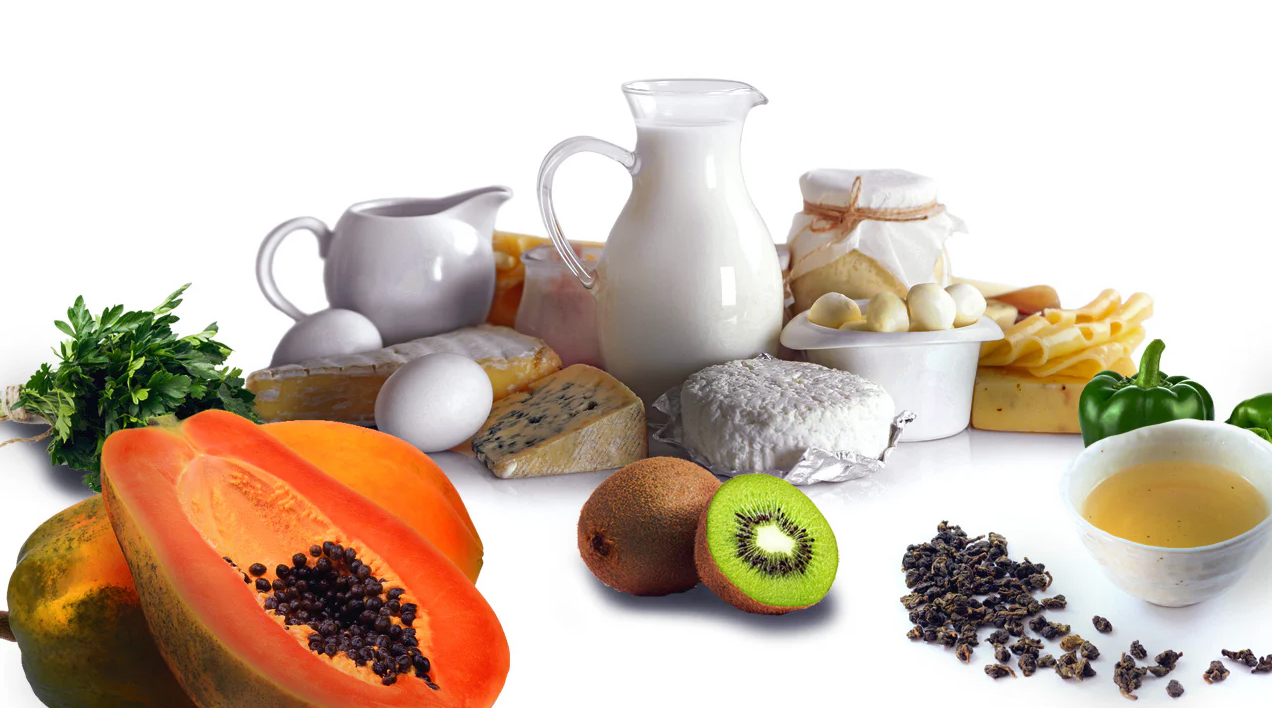
- Sources: Pyrroloquinoline quinone is found in small amounts in certain foods, including fermented foods, parsley, green peppers, and tofu.
- Research: Studies suggest that Pyrroloquinoline quinone supplementation may support mitochondrial function and protect against neurodegenerative diseases. However, more clinical research is needed to confirm its long-term benefits and therapeutic potential.
3. Mechanism of Action:
- It acts as an antioxidant by scavenging free radicals.
- Pyrroloquinoline quinone influences the production of growth factors and stimulates the formation of new mitochondria in cells.
Hydroxychloroquine (HCQ)
1. Class: Hydroxychloroquine is an antimalarial drug that belongs to the class of quinoline compounds, also used for autoimmune diseases.
2. Function:
- Hydroxychloroquine is primarily used to treat diseases like malaria, rheumatoid arthritis, and lupus erythematosus.
- It modulates the immune system by inhibiting certain enzymes (like lysosomal enzymes) and the production of inflammatory cytokines, making it useful in autoimmune conditions.
- It is sometimes used off-label for conditions like COVID-19 (though its efficacy for that purpose is still debated).
3. Sources: Hydroxychloroquine is synthesized as a pharmaceutical compound and is not found naturally in foods.
4. Research: Hydroxychloroquine’s effects on autoimmune diseases like lupus and rheumatoid arthritis are well-documented, but its use in COVID-19 treatment has been controversial, with conflicting results from clinical trials.
5. Mechanism of Action:
- Hydroxychloroquine interferes with the function of immune cells, especially by increasing the pH in the lysosomes of cells, which inhibits the activation of certain proteins that are involved in immune responses.
- It also prevents the replication of viruses by altering the acidic environment within cells, though its effectiveness for this purpose is not always clear.
Key Differences
1. Purpose:
- Pyrroloquinoline quinone is a natural compound with potential benefits in mitochondrial health, energy production, and neuroprotection.
- Hydroxychloroquine is primarily a pharmaceutical drug used to treat malaria, autoimmune diseases, and sometimes for viral infections, though its use is more specific and medical.
2. Mechanism:
- Pyrroloquinoline quinone works primarily as an antioxidant and promotes mitochondrial biogenesis.
- Hydroxychloroquine acts by modulating the immune system and has antiviral properties.
3. Safety Profile:
- Pyrroloquinoline quinone is generally considered safe when taken as a supplement, but large-scale clinical trials are still ongoing to confirm its efficacy and safety.
- Hydroxychloroquine, while effective for certain conditions, can cause side effects like retinal toxicity, heart arrhythmias, and gastrointestinal issues, especially with long-term use or in high doses.
4. Research Stage:
- Pyrroloquinoline quinone is still under research for its full potential, particularly in neurodegenerative diseases and aging.
- Hydroxychloroquine has been extensively studied for its use in malaria, autoimmune diseases, and some viral infections but is not recommended outside of approved indications due to potential risks.
In summary, Pyrroloquinoline quinone is a supplement with potential benefits in mitochondrial health, while hydroxychloroquine is a prescription drug used for treating malaria and autoimmune disorders. They work through different mechanisms and are used for very different medical purposes.
评论
发表评论