Pyrroloquinoline quinone (PQQ) is a small quinone molecule that has gained attention in recent years due to its potential therapeutic effects in various health conditions, including cardiovascular disease (CVD). It is an essential cofactor for certain enzymes involved in mitochondrial function and redox reactions. Pyrroloquinoline quinone has been studied for its antioxidative, anti-inflammatory, and mitochondrial-enhancing properties, which are relevant to cardiovascular health.
Research Progress in Cardiovascular Disease:
1. Antioxidant and Anti-inflammatory Effects:
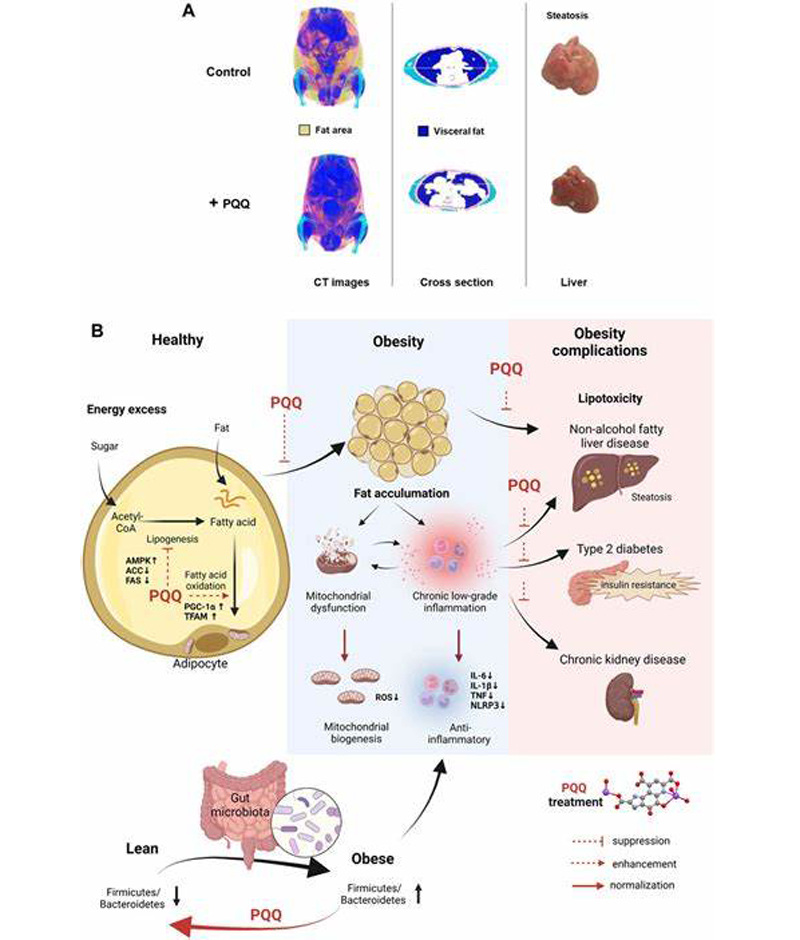
- Pyrroloquinoline quinone has potent antioxidant properties, which help mitigate oxidative stress—an important factor in the development of cardiovascular diseases such as atherosclerosis, hypertension, and heart failure. By neutralizing reactive oxygen species (ROS), Pyrroloquinoline quinone can reduce endothelial cell damage and protect against vascular dysfunction.
- Additionally, Pyrroloquinoline quinone exhibits anti-inflammatory effects by modulating the NF-κB pathway and other pro-inflammatory cytokines, which can be critical in reducing chronic low-grade inflammation that contributes to atherosclerosis and plaque rupture.
2. Endothelial Function and Vascular Health:
- Pyrroloquinoline quinone has been shown to improve endothelial function. The endothelium plays a critical role in vascular tone, blood pressure regulation, and prevention of atherosclerosis. Research suggests that Pyrroloquinoline quinone may enhance the production of endothelial nitric oxide synthase (eNOS), which in turn boosts nitric oxide (NO) production—a molecule crucial for vasodilation and blood flow regulation.
- Some studies indicate that Pyrroloquinoline quinone supplementation may improve vascular reactivity and reduce arterial stiffness, both of which are important markers for cardiovascular health.
3. Mitochondrial Function:
- Pyrroloquinoline quinone is a known modulator of mitochondrial biogenesis. By activating signaling pathways such as the PGC-1α/ERRα pathway, Pyrroloquinoline quinone promotes the formation of new mitochondria and enhances mitochondrial efficiency. In the context of CVD, mitochondrial dysfunction is a central feature of conditions like ischemic heart disease and heart failure. By improving mitochondrial health, Pyrroloquinoline quinone could potentially reduce the risk of cardiac events and improve recovery post-myocardial infarction (MI).
- Furthermore, Pyrroloquinoline quinone can protect myocardial cells from oxidative damage, apoptosis (programmed cell death), and ischemia/reperfusion injury, which are common in conditions like acute myocardial infarction.
4. Blood Pressure Regulation:
- Preliminary studies suggest that Pyrroloquinoline quinone might play a role in lowering blood pressure, likely through its effects on improving endothelial function and reducing oxidative stress. By promoting better vascular function and reducing inflammation, Pyrroloquinoline quinone might offer a therapeutic benefit for individuals with hypertension.
5. Preclinical and Clinical Evidence:
- Preclinical Studies: Animal studies have demonstrated that Pyrroloquinoline quinone supplementation can protect against various forms of cardiac damage, including ischemic injury, heart failure, and atherosclerosis. For example, in rodent models, Pyrroloquinoline quinone reduced the size of infarcts following induced myocardial infarction and improved post-ischemic recovery.
- Clinical Studies: While clinical evidence is still limited, some small human trials have indicated that Pyrroloquinoline quinone supplementation might have favorable effects on cardiovascular risk factors like cholesterol levels, blood pressure, and markers of inflammation. However, these studies are often of short duration and have varying methodologies, which calls for further, more rigorous research to confirm these benefits.
6. Cardioprotective Mechanisms:
- Beyond improving mitochondrial function and reducing oxidative stress, Pyrroloquinoline quinone may also modulate other molecular mechanisms that are critical in CVD. For example, it may influence gene expression related to heart function, alter lipid metabolism, and impact signaling pathways that govern cell survival and inflammation.
7. Safety and Side Effects:
- Pyrroloquinoline quinone is generally considered safe in supplementation doses commonly used in studies. In clinical trials, doses of 10–20 mg per day have been used without significant adverse effects. However, as with any supplement, long-term safety and potential interactions with other medications need more evaluation.
Conclusion:
While the research on Pyrroloquinoline quinone in cardiovascular disease is still in its early stages, the evidence suggests that it holds promise as a modulator of cardiovascular health, particularly due to its antioxidant, anti-inflammatory, and mitochondrial-enhancing properties. Larger, more robust clinical trials are needed to confirm its therapeutic potential in cardiovascular disease management and prevention.
评论
发表评论