Origin and Discovery of Palmitoylethanolamide (PEA)
Palmitoylethanolamide (PEA) is a naturally occurring lipid mediator, first identified in 1957 by scientists Pautler and Fichtl. They isolated it from egg yolk. Palmitoylethanolamide is an amide of palmitic acid (a fatty acid) and ethanolamine (a derivative of ethanolamine). It is part of a larger class of compounds known as fatty acid ethanolamides or FAEs, which are naturally produced in the body.
Chemical Structure:
Palmitoylethanolamide consists of:
- Palmitic acid (C16:0) – a saturated fatty acid.
- Ethanolamine – a derivative of ammonia.
Its chemical formula is C18H37NO2, and it has a molecular weight of approximately 299.5 g/mol.
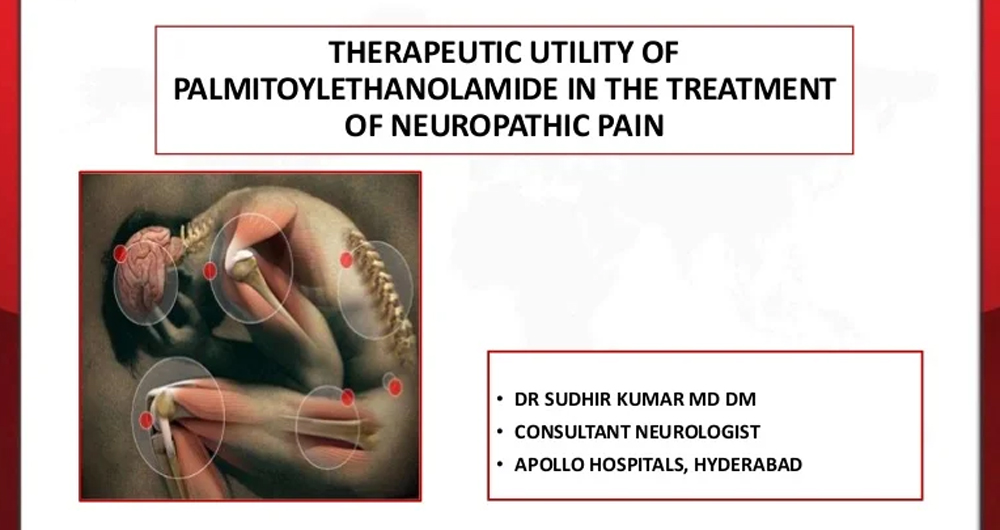
Sources of Palmitoylethanolamide:
Palmitoylethanolamide (PEA) is synthesized in the body, especially in response to inflammatory or stressful conditions. It has been found in various tissues such as the brain, liver, kidneys, and muscles, as well as in food sources, including:
- Egg yolk
- Peanuts
- Soy lecithin
- Liver
- Certain plants (e.g., chili peppers and some herbs)
Biological Functions and Properties:
Palmitoylethanolamide (PEA) exerts a variety of biological effects due to its interaction with several receptors and enzymes in the body:
1.Anti-inflammatory Properties:
- Palmitoylethanolamide has been shown to reduce inflammation by acting as an endogenous modulator of the immune system.
- It regulates the production of pro-inflammatory molecules and inhibits the activation of certain inflammatory pathways, such as those involving mast cells and microglia in the central nervous system.
2.Pain Relief:
- It has been investigated for its analgesic properties, particularly in chronic pain conditions, including neuropathic pain, fibromyalgia, and post-surgical pain.
- Palmitoylethanolamide works by reducing the activation of nociceptors (pain receptors) and acting on the endocannabinoid system and peroxisome proliferator-activated receptor-alpha (PPAR-α).
3.Neuroprotective Effects:
- Palmitoylethanolamide has shown potential neuroprotective actions, helping protect neurons from oxidative stress and inflammation in diseases such as Parkinson’s, Alzheimer’s, and other neurodegenerative disorders.
- It supports the function of microglia, which play a key role in maintaining brain health.
4.Endocannabinoid System Modulation:
- While not directly binding to CB1 or CB2 receptors (like THC or CBD), Palmitoylethanolamide may influence the endocannabinoid system by modulating the effects of anandamide (an endocannabinoid) and enhancing its activity through fatty acid amide hydrolase (FAAH) inhibition.
5.Antioxidant Action:
- Palmitoylethanolamide can act as an antioxidant, reducing oxidative damage and possibly supporting general cellular health.
6.Mood and Anxiety:
- Some research suggests that Palmitoylethanolamide may have a mood-stabilizing effect, potentially benefiting individuals with mood disorders such as anxiety or depression by interacting with the endocannabinoid and PPAR-α pathways.
Clinical Applications and Uses:
Due to its diverse physiological properties, Palmitoylethanolamide has gained interest in both clinical and therapeutic settings:
- Pain Management: It is used in various forms for pain relief, including in the treatment of chronic pain, neuropathic pain, and inflammatory pain.
- Neurodegenerative Diseases: Palmitoylethanolamide is under investigation as a potential treatment for conditions like multiple sclerosis, Parkinson’s disease, and Alzheimer’s disease, where inflammation and oxidative stress play a significant role.
- Inflammatory Disorders: It is being studied for use in autoimmune diseases, inflammatory bowel disease, and conditions like fibromyalgia.
- Mental Health: Preliminary evidence suggests Palmitoylethanolamide could be useful in managing anxiety and depression, especially in patients who do not respond well to conventional therapies.

Introduction and Mechanism of Action:
Palmitoylethanolamide is primary mechanism of action involves its interaction with PPAR-α, a nuclear receptor involved in regulating inflammation and metabolism. Activation of this receptor leads to downregulation of pro-inflammatory cytokines and neuroinflammatory responses. Palmitoylethanolamide may also enhance the endocannabinoid system, particularly by modulating the activity of anandamide, an endogenous cannabinoid-like substance.
In addition, Palmitoylethanolamide’s mast cell stabilizing properties make it valuable in treating conditions that involve overactive immune responses, including allergic reactions and autoimmune disorders.
Conclusion:
Palmitoylethanolamide is a naturally occurring lipid compound with a broad range of biological properties, including anti-inflammatory, analgesic, neuroprotective, and antioxidant effects. Its potential therapeutic applications are still being explored, but it has shown promise in managing conditions such as chronic pain, neurodegenerative diseases, and inflammatory disorders. The increasing research into Palmitoylethanolamide suggests that it could become an important addition to clinical treatments in the near future.
评论
发表评论