Origin of Polyglutamic Acid (PGA)
Polyglutamic Acid (PGA) is a biopolymer composed of glutamic acid residues linked by amide bonds. Glutamic acid is an amino acid that occurs naturally in many proteins and is widely distributed in both plants and animals. Polyglutamic Acid was first discovered in the 1980s, particularly due to its presence in certain bacterial species. The most notable source of Polyglutamic Acid is Bacillus subtilis, a bacterium known for producing polyglutamic acid as an extracellular polymer. The bacterium produces PGA under specific growth conditions, such as nitrogen limitation, which promotes the polymerization of glutamic acid monomers into long chains.
Properties of Polyglutamic Acid
Polyglutamic acid has several distinct physical, chemical, and biological properties that make it a subject of interest in various fields:
1.Structure and Composition:
- Polyglutamic Acid is a water-soluble, biodegradable, and biocompatible polymer.
- It is made up of repeating units of glutamic acid, which can be in the form of either D- or L-glutamic acid, but typically L-glutamic acid is used in the biological production of Polyglutamic Acid.
- The polymer can vary in molecular weight, with commercial Polyglutamic Acid typically ranging from 10,000 to 100,000 Da.

2.Charge and pH Sensitivity:
- Polyglutamic Acid is negatively charged at physiological pH due to the carboxyl groups on the glutamic acid residues.
- It exhibits pH-dependent solubility, as it becomes more soluble in basic conditions.
- The negative charge and hydrophilic nature make Polyglutamic Acid useful in applications requiring interactions with positively charged molecules or surfaces.
3.Biodegradability and Biocompatibility:
- One of the key features of Polyglutamic Acid is its biodegradability, making it an attractive candidate for various biomedical and environmental applications.
- It is also biocompatible, meaning it does not cause significant immune responses when introduced into the body, making it suitable for drug delivery and tissue engineering.
4.Gelation Properties:
- Polyglutamic Acid can form hydrogels when crosslinked with various agents. This property is useful in controlled drug release systems and tissue engineering scaffolds.
- The gelation behavior can be influenced by factors such as pH, ionic strength, and the presence of other crosslinking agents (e.g., calcium ions).
5.Functionality in Biological Systems:
Polyglutamic Acid can serve as a surface modifier, and in certain cases, it has been found to improve the stability and solubility of proteins, peptides, and other biomolecules.
Introduction and Applications of Polyglutamic Acid
Polyglutamic acid has gained attention in a variety of industries due to its versatile properties. Some of the main areas of application include:
1.Biomedical and Pharmaceutical Applications:
- Drug Delivery: Polyglutamic Acid is used in drug delivery systems due to its biodegradability, biocompatibility, and ability to form hydrogels. It can encapsulate drugs and release them in a controlled manner over time.
- Tissue Engineering: Polyglutamic Acid is used as a scaffold material for cell culture and tissue engineering because of its ability to form gels and its compatibility with human cells.
- Wound Healing: Due to its biocompatibility, Polyglutamic Acid has been explored in the development of wound dressings and as a material for accelerating wound healing.
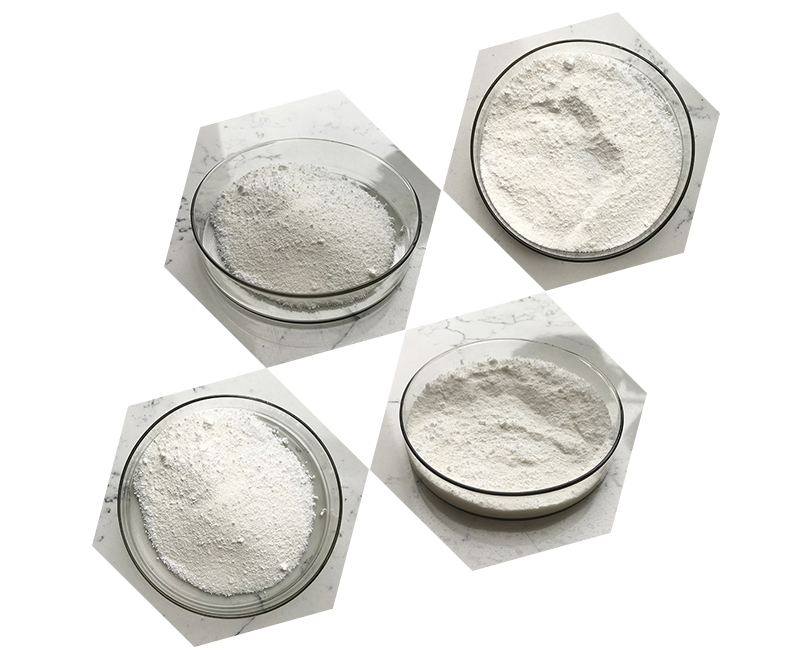
2.Cosmetic and Personal Care Products:
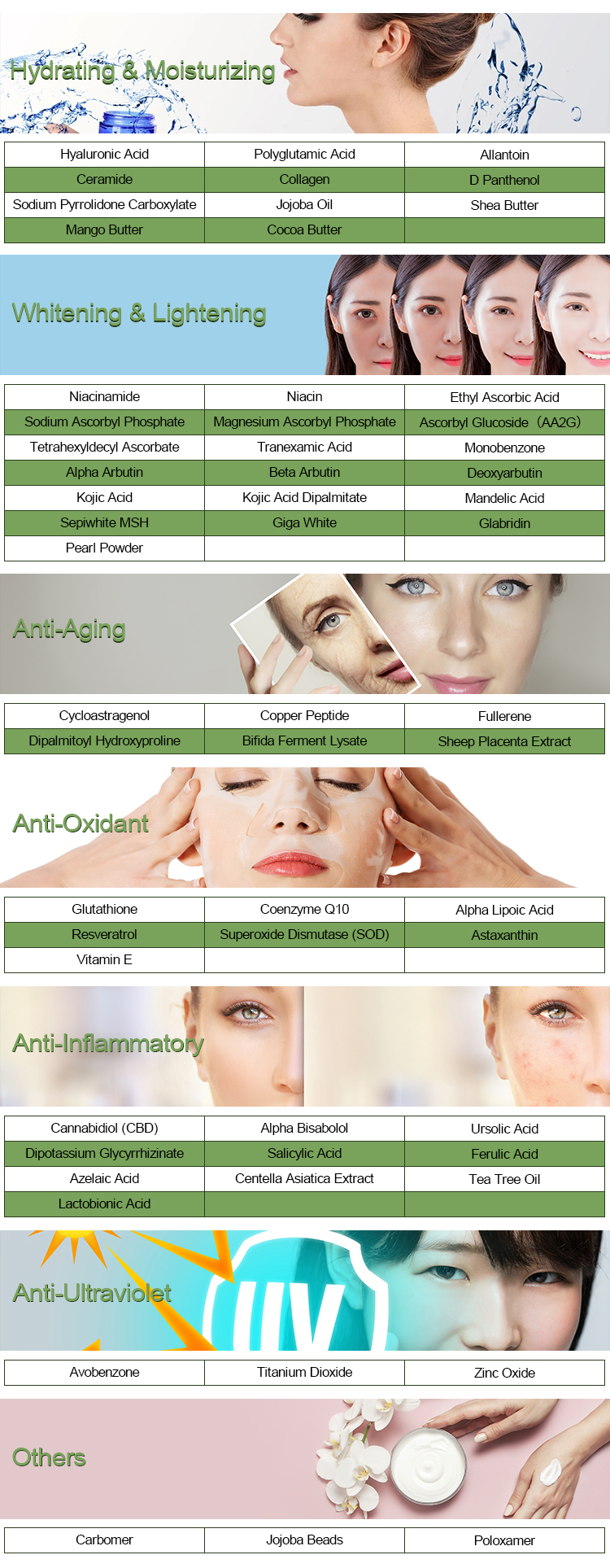
- Polyglutamic Acid has found applications in the cosmetic industry as a moisturizer and skin conditioner. Its ability to retain water and form hydrogels makes it valuable in hydrating skin and improving the texture of skincare formulations.
- It is also used as a thickening agent in lotions, creams, and shampoos.
3.Agriculture:
- Soil Conditioner: Polyglutamic Acid can be used as a soil conditioner due to its water-retaining properties, helping improve soil structure and prevent erosion.
- Fertilizer Delivery: Polyglutamic Acid-based formulations are being researched for controlled-release fertilizers, where Polyglutamic Acid helps in the slow release of nutrients to plants.
4.Food Industry:
- Food Additive: Polyglutamic Acid has been studied as a food additive, mainly for its ability to improve texture and as a fat replacer in certain food products.
- Fermentation: It is used in certain fermented food products due to its ability to act as a natural emulsifier or stabilizer.
5.Environmental Applications:
- Wastewater Treatment: Polyglutamic Acid’s ability to bind with metal ions and other contaminants has been explored for its use in wastewater treatment processes. It can help in removing toxic heavy metals from wastewater.
- Biodegradable Plastics: Due to its biodegradability, Polyglutamic Acid is being researched as a potential raw material for the production of biodegradable plastics.
6.Synthetic Biology:
- Gene Expression Systems: Polyglutamic acid has been investigated as a potential component in gene expression systems, where it can be used to modify the surface properties of cells, making them more receptive to the introduction of genetic material.
Recent Developments and Future Prospects
In recent years, the production of polyglutamic acid has been scaled up through microbial fermentation, allowing for cost-effective synthesis. Advances in genetic engineering have enabled the optimization of microorganisms like Bacillus subtilis to enhance Polyglutamic Acid yields, making it more commercially viable.
Research continues to explore new applications for polyglutamic acid, especially in the fields of nanomedicine, regenerative medicine, and environmental sustainability. The ability to tailor Polyglutamic Acid’s properties through chemical modifications or by creating composite materials also holds great promise for future applications.
In summary, polyglutamic acid is a versatile, naturally occurring biopolymer with a wide range of applications across industries like medicine, agriculture, cosmetics, and environmental science. Its unique properties of biodegradability, water retention, and biocompatibility make it a highly valuable material in the development of sustainable products.
评论
发表评论