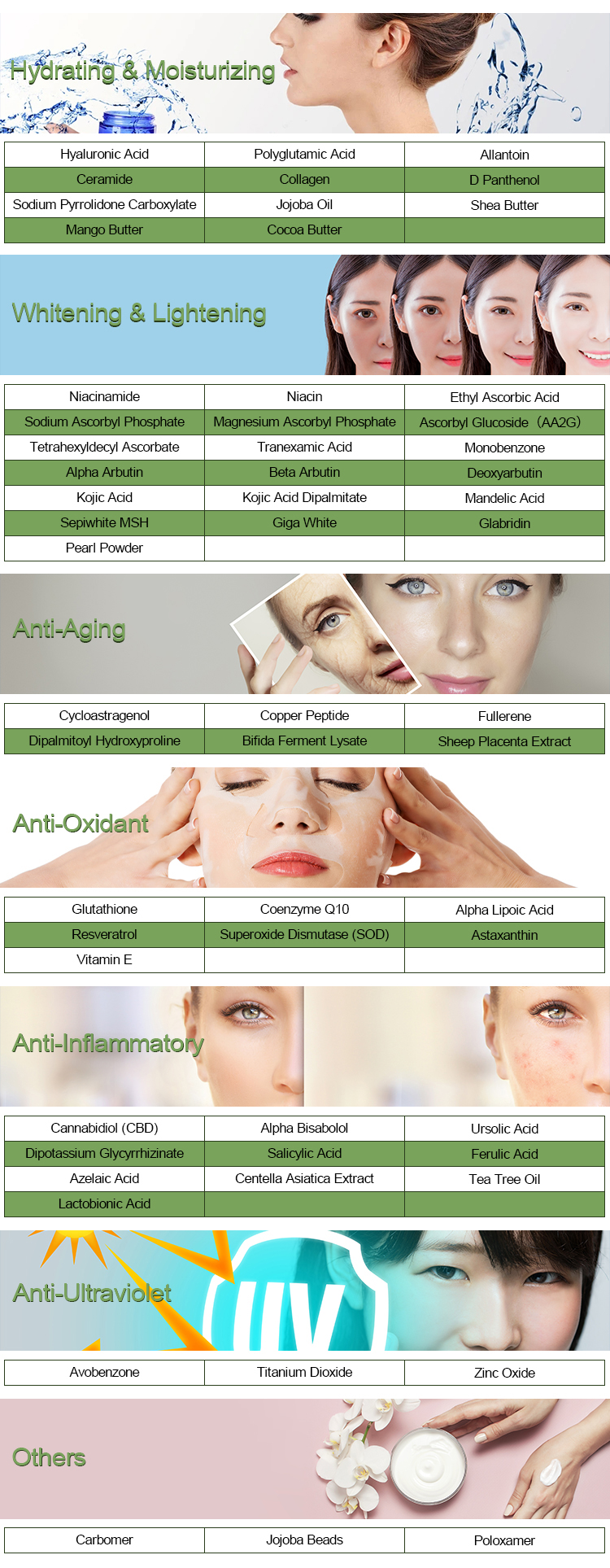
Glutathione is a powerful antioxidant naturally produced in the body, primarily in the liver. It plays a crucial role in protecting cells from oxidative stress and damage caused by free radicals and reactive oxygen species (ROS). Here are some of the key medical effects and benefits of glutathione:
1. Antioxidant Defense
- Neutralizes Free Radicals: Glutathione helps reduce oxidative stress by neutralizing free radicals, protecting cells from damage, which is linked to aging, cancer, and various chronic diseases.
- Regeneration of Other Antioxidants: It works in synergy with other antioxidants like vitamins C and E, helping to regenerate them after they neutralize free radicals.
2. Detoxification
- Liver Detox: Glutathione plays a vital role in detoxifying the liver. It binds to harmful substances such as heavy metals, toxins, and waste products, making them easier for the body to eliminate.
- Supports Phase II Detoxification: It aids in phase II detoxification in the liver, where harmful chemicals are conjugated with glutathione to form water-soluble compounds that can be excreted via urine or bile.
3. Immune System Support
- Boosts Immune Function: Glutathione is essential for the optimal functioning of the immune system. It supports the activity of white blood cells and helps protect them from oxidative damage.
- Prevents Infections: Adequate levels of glutathione are necessary to maintain the integrity and function of the immune cells, helping prevent infections and illnesses.
4. Anti-Inflammatory Effects
- Reduces Inflammation: Glutathione can help modulate inflammatory processes, reducing chronic inflammation, which is linked to various diseases like cardiovascular disease, diabetes, and autoimmune disorders.
- Protects Against Chronic Diseases: By reducing inflammation and oxidative stress, glutathione is thought to help prevent or manage conditions such as arthritis, cardiovascular disease, and neurodegenerative diseases (like Alzheimer’s and Parkinson’s).
5. Skin Health
- Skin Brightening: Glutathione is used in some cosmetic treatments because it can lighten skin tone by inhibiting melanin production. It is sometimes used to treat conditions like hyperpigmentation and melasma.
- Reduces Skin Aging: Its antioxidant properties also help protect the skin from UV-induced damage, which can lead to premature aging and skin cancers.
6. Neuroprotective Effects
- Brain Health: Glutathione plays a key role in protecting neurons from oxidative damage. Lower levels of glutathione are associated with neurodegenerative diseases like Alzheimer’s, Parkinson’s, and Huntington’s disease.
- Cognitive Function: By maintaining the health of brain cells and reducing oxidative stress, glutathione may support cognitive function and reduce the risk of cognitive decline with age.
7. Supports Cardiovascular Health
- Prevents Cardiovascular Disease: Glutathione helps protect blood vessels from oxidative damage, which is a risk factor for heart disease. It also supports the regulation of blood pressure and blood flow.
- Reduces Homocysteine Levels: High homocysteine levels are a risk factor for cardiovascular disease, and glutathione plays a role in the metabolism of homocysteine.
8. Improved Insulin Sensitivity
- Helps Manage Diabetes: Glutathione helps improve insulin sensitivity, potentially aiding in the management of type 2 diabetes by preventing oxidative damage to insulin-producing cells.
Potential Side Effects and Considerations
While glutathione is generally considered safe, there are some things to consider:
- Supplementation: Oral glutathione supplements have mixed results, as the body may not absorb it efficiently. Intravenous (IV) glutathione therapy may be more effective, but should be administered under medical supervision.
- Potential Allergic Reactions: In rare cases, individuals may experience allergic reactions to glutathione supplements, particularly when administered intravenously.
Overall, glutathione is crucial for overall health due to its broad range of functions, including detoxification, immune support, skin health, and neuroprotection. However, its effects can be influenced by factors such as diet, lifestyle, and the method of supplementation.
评论
发表评论