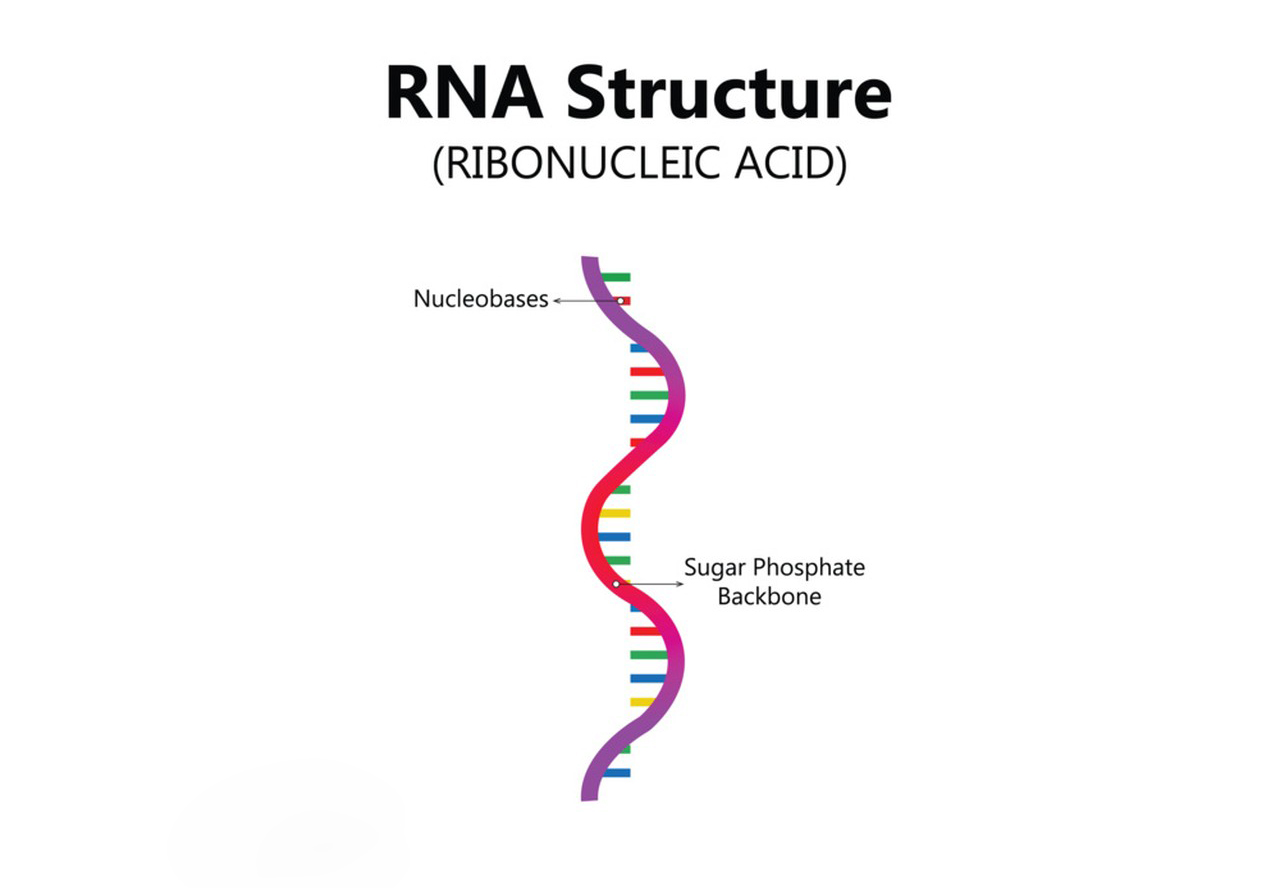
Ribonucleic acid, or RNA, is a molecule crucial for various biological processes, including protein synthesis and gene regulation. To use Ribonucleic acid effectively for various applications, you need to follow specific protocols and techniques. The steps you need to take depend on your specific goals. Here are some common ways Ribonucleic acid is used in biological research, along with general guidelines:
1.Ribonucleic Acid Extraction:
Start by isolating Ribonucleic acid from your biological sample using a suitable method. Common methods include phenol-chloroform extraction, column-based purification kits, and solid-phase extraction. The choice depends on your specific sample and downstream application.
2.Reverse Transcription (cDNA synthesis):
To study gene expression, you may need to convert Ribonucleic acid into complementary DNA (cDNA) using reverse transcriptase. This is often used in quantitative PCR (qPCR) and gene expression studies.
3.Ribonucleic Acid Sequencing (RNA-Seq):
If you want to analyze the transcriptome, you can perform RNA-Seq. This involves converting RNA into a library of cDNA fragments and then sequencing them. High-throughput sequencing platforms like Illumina are commonly used for this purpose.
4.In vitro Transcription:
In some cases, researchers need to synthesize Ribonucleic acid molecules in vitro for various applications. This can be done using T7, T3, or SP6 RNA polymerases, depending on the required RNA sequence.
5.Gene Silencing (RNA Interference, RNAi):
To downregulate the expression of a specific gene, you can use small interfering RNAs (siRNAs) or short hairpin RNAs (shRNAs). These molecules can be transfected into cells to interfere with target gene expression.
6.MicroRNA Studies:
MicroRNAs (miRNAs) are short RNA molecules involved in post-transcriptional gene regulation. To study miRNAs, you can use specific probes, RT-qPCR, or microarray techniques.
7.In vitro Ribonucleic Acid Folding Studies:
If you are interested in Ribonucleic acid secondary and tertiary structure, you can use various techniques, including chemical probing and structure prediction software.
8.Ribonucleic Acid Delivery and Therapeutics:
RNA-based therapies, like mRNA vaccines and small interfering RNAs (siRNAs) for gene silencing, involve designing Ribonucleic acid molecules for specific therapeutic purposes. Effective delivery systems and formulations are critical.
9.Ribonucleic Acid Storage:
Ribonucleic acid is sensitive to degradation. Proper storage at ultra-low temperatures (-80°C) is essential for maintaining Ribonucleic acid integrity.
10.Quality Control:
Assess the quality and integrity of Ribonucleic acid using techniques like gel electrophoresis, spectrophotometry, and capillary electrophoresis. Ribonucleic acid integrity number (RIN) values can provide information about Ribonucleic acid quality.
11.Quantification:
Quantify the Ribonucleic acid concentration accurately using methods like UV spectrophotometry or fluorometry.
12.Experimental Design and Controls:
Plan your experiments carefully, including proper controls and replicates. This helps ensure reliable and reproducible results.
13.Consult the Literature:
Depending on your specific research, consult relevant scientific literature, protocols, and experts in the field for guidance and best practices.
Remember that the best results when working with Ribonucleic acid depend on the specific application and the quality and integrity of the Ribonucleic acid samples. Properly trained personnel, well-maintained equipment, and adherence to established protocols are essential for successful RNA-based research.
评论
发表评论