Glutathione is a powerful antioxidant that plays several important roles in the body, including:
- Antioxidant Defense: Glutathione helps neutralize free radicals and reactive oxygen species (ROS), which are harmful compounds that can damage cells and tissues. By doing so, it protects cells from oxidative stress and supports overall cellular health.
- Detoxification: Glutathione aids in the detoxification process by binding to potentially harmful substances (like heavy metals, pollutants, and metabolic waste) to make them more water-soluble and easier for the body to excrete.
- Immune System Support: It plays a key role in maintaining a healthy immune system by supporting the function of immune cells, such as T-cells and lymphocytes. Glutathione helps regulate immune responses and enhances the body’s ability to fight infections.
- Cellular Metabolism: Glutathione is involved in several metabolic processes, including the synthesis of proteins, DNA, and RNA. It helps regulate the redox state of cells, which is important for various cellular functions, including energy production and cell growth.
- Regeneration of Other Antioxidants: Glutathione helps regenerate other antioxidants, such as vitamins C and E, extending their effectiveness in protecting cells from oxidative damage.
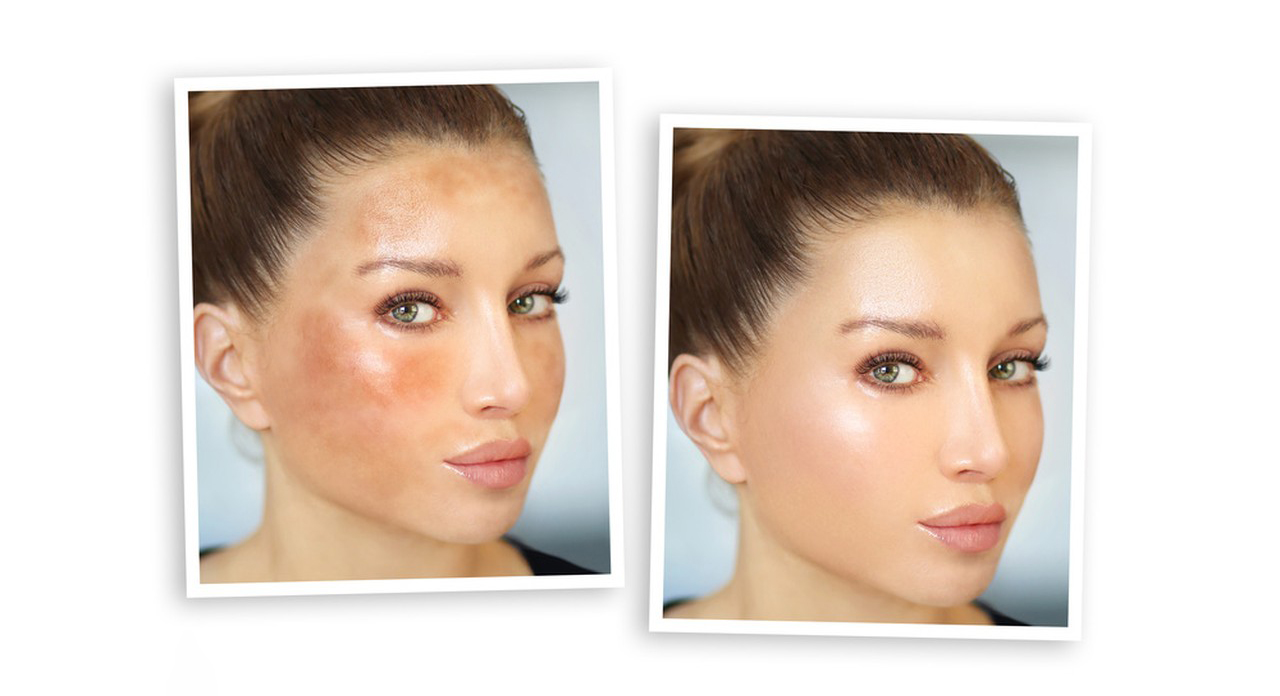
- Skin Health: Glutathione plays a role in skin health by neutralizing free radicals and reducing oxidative damage, which may help prevent skin aging and pigmentation issues. It is sometimes used in cosmetic treatments for skin lightening.
- Liver Function: The liver relies heavily on glutathione for detoxifying harmful substances, including alcohol, medications, and metabolic waste products. It’s also crucial for the proper functioning of liver enzymes.
In summary, glutathione is a vital molecule for maintaining health, particularly through its antioxidant properties, detoxification, immune support, and metabolic regulation.
Adverse effects of Glutathione
Glutathione is a powerful antioxidant found naturally in the body, and it is often used as a supplement for various health benefits, such as improving skin health, detoxifying the body, and supporting immune function. While it is generally considered safe, there can be some potential adverse effects, especially when taken in excess or in certain individuals. These may include:
1. Allergic Reactions
- Some people may experience allergic reactions to glutathione supplements, which can include rashes, itching, or swelling, especially around the face or lips.
2. Gastrointestinal Issues
- Some individuals may experience stomach upset, including nausea, bloating, and abdominal cramps. These symptoms are more common with high doses.
3. Respiratory Issues
- There have been some reports of respiratory problems, such as difficulty breathing or wheezing, especially after intravenous (IV) administration.
4. Skin Changes
- High doses of glutathione may cause a lightening or whitening of the skin. This effect is often temporary but can be concerning for some individuals.
5. Kidney Stress
- In individuals with pre-existing kidney conditions, high doses of glutathione may put additional stress on the kidneys. It’s essential for those with kidney disease to consult with a healthcare provider before using glutathione supplements.
6. Altered Blood Pressure
- Some studies have suggested that glutathione could affect blood pressure, either increasing or decreasing it, although this is not a common side effect.
7. Potential Drug Interactions
- Glutathione may interact with certain medications, such as chemotherapy drugs, and could potentially reduce their effectiveness. Always consult a healthcare provider before using glutathione if taking prescription medications.
8. Overuse Concerns
- Overuse of glutathione supplements could lead to an imbalance in the body’s natural levels of antioxidants, potentially leading to oxidative stress or other imbalances in the body.
As with any supplement, it is important to use glutathione as directed and consult a healthcare provider, especially if you have pre-existing health conditions or are taking other medications.
评论
发表评论