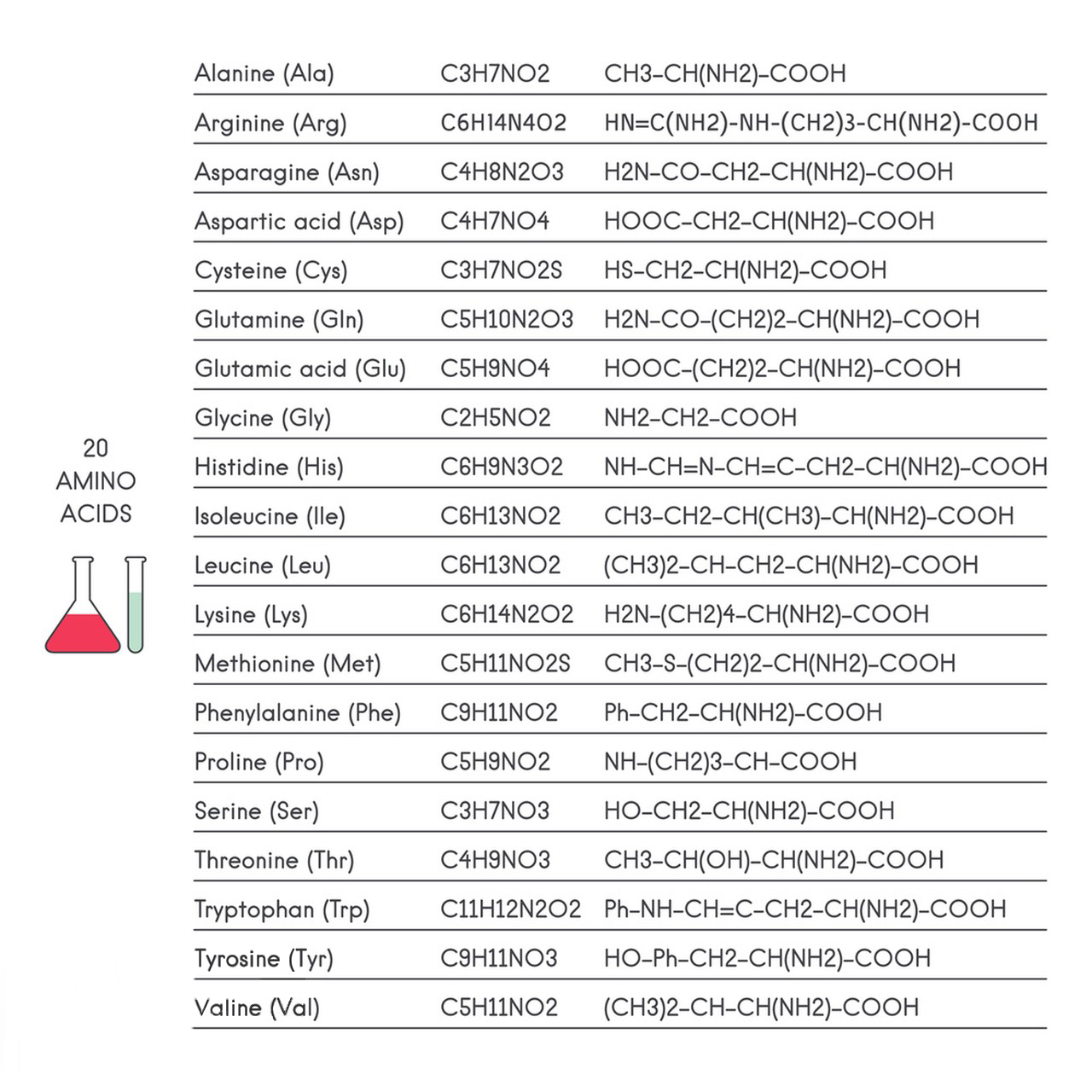
L-Arginine is a semi-essential amino acid that is often taken as a supplement for various health benefits, particularly for improving circulation, enhancing exercise performance, and supporting cardiovascular health. Here’s an overview of its effectiveness, potential side effects, and special precautions:
Effectiveness of L-Arginine
1.Cardiovascular Health: L-Arginine is a precursor to nitric oxide, a molecule that helps dilate blood vessels and improve blood flow. This can be beneficial for:
- Reducing high blood pressure.
- Improving symptoms of angina (chest pain) or erectile dysfunction (ED).
- Enhancing blood flow during exercise, potentially improving endurance and performance.
2.Exercise Performance: L-Arginine supplementation has been shown to improve exercise performance, particularly in aerobic and anaerobic activities. The increased nitric oxide production may improve oxygen and nutrient delivery to muscles during workouts.
3.Erectile Dysfunction (ED): L-Arginine is sometimes used as a treatment for ED because it may improve blood flow to the genital area by enhancing nitric oxide levels.
4.Immune System Support: L-Arginine plays a role in protein synthesis and can contribute to the immune system’s function, especially during periods of illness or recovery from surgery or injury.
5.Wound Healing: L-Arginine has been shown to promote wound healing, especially in cases of burns or other skin injuries, by improving blood flow and collagen synthesis.
Side Effects of L-Arginine
L-Arginine is generally considered safe when taken in moderate doses, but some side effects may occur, especially with higher doses or prolonged use. Common side effects include:
- Gastrointestinal issues: These can include nausea, diarrhea, bloating, or abdominal cramps.
- Low blood pressure: Because L-Arginine can dilate blood vessels, it may cause a drop in blood pressure, which could lead to dizziness or fainting in some people.
- Electrolyte Imbalance: In some cases, high doses of L-Arginine may interfere with electrolyte balance, particularly potassium levels.
- Headaches: Some users may experience headaches due to changes in blood flow.
- Allergic Reactions: Although rare, some individuals may be allergic to L-Arginine, experiencing symptoms like rash, itching, or difficulty breathing.
Special Precautions of L-Arginine
1.Pregnancy and Breastfeeding: There is not enough reliable information to determine whether L-Arginine is safe during pregnancy or breastfeeding. Therefore, it’s recommended to avoid supplementation unless advised by a healthcare provider.
2.Heart Disease or Low Blood Pressure: People with heart conditions or low blood pressure should be cautious when taking L-Arginine, as it may exacerbate symptoms by lowering blood pressure further or interacting with medications for heart disease.
3.Surgical Procedures: L-Arginine may affect blood flow and potentially interfere with blood pressure regulation during surgery. It’s recommended to stop taking L-Arginine at least 2 weeks before any planned surgery.
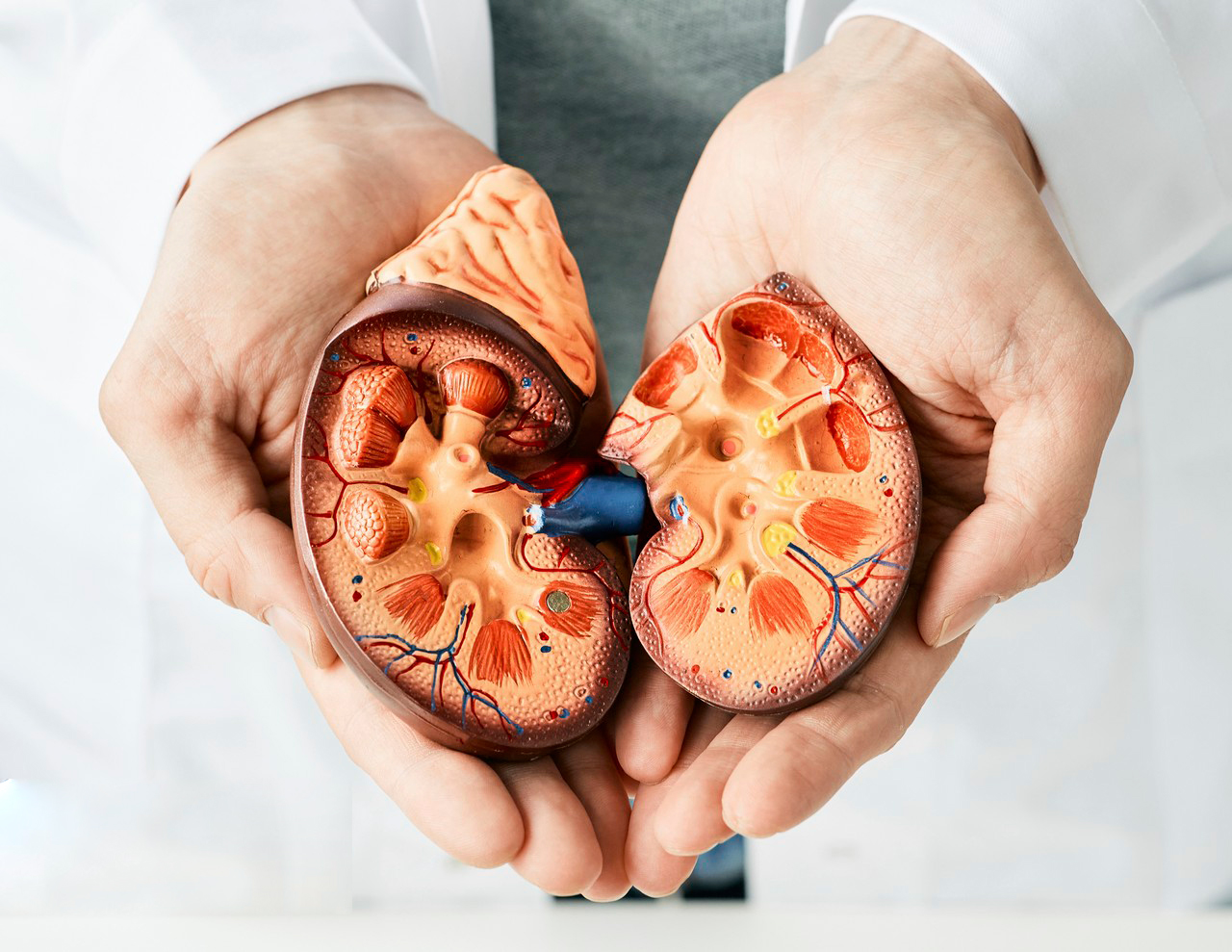
4.Kidney Disease: Since L-Arginine is metabolized by the kidneys, those with kidney problems should consult with a doctor before using this supplement.
5.Interactions with Medications: L-Arginine may interact with medications such as:
- Nitrates: Used for chest pain (angina). Combining L-Arginine with nitrates could enhance blood pressure-lowering effects and increase the risk of fainting.
- Blood Pressure Medications: L-Arginine could amplify the effects of blood pressure-lowering drugs, potentially leading to hypotension (low blood pressure).
6.Herpes Virus (Cold Sores): Some evidence suggests that L-Arginine may promote the growth of the herpes simplex virus (HSV). If you have frequent cold sores or genital herpes, it’s best to consult a doctor before using L-Arginine, as it could potentially trigger outbreaks.

Dosage
The recommended dose of L-Arginine varies depending on the condition being treated. A typical dose ranges from 2 to 6 grams per day, but higher doses (up to 20 grams) have been used under medical supervision. It’s important to start with a lower dose and gradually increase it, especially if you have any pre-existing health conditions.
Conclusion
L-Arginine can be effective for improving circulation, exercise performance, and symptoms of erectile dysfunction. However, it comes with some risks, particularly for individuals with heart, blood pressure, or kidney issues. Always consult a healthcare provider before starting supplementation, especially if you are pregnant, breastfeeding, or taking medication.
评论
发表评论