Kava extract, derived from the root of the Piper methysticum plant, has been studied primarily for its anxiolytic (anxiety-reducing), sedative, and mood-enhancing effects. Clinical evidence supporting its efficacy has been growing, though its use, especially long-term, remains controversial due to safety concerns, particularly related to liver toxicity in some individuals.
Here’s a summary of its clinical efficacy:
1. Anxiolytic Effects:
- Several studies have shown that kava extract is effective in reducing symptoms of anxiety.
- A meta-analysis in 2013, published in The Journal of Clinical Psychopharmacology, found that kava significantly reduced anxiety compared to placebo in clinical trials.
- Kava is often considered a natural alternative to pharmaceutical anxiolytics like benzodiazepines, with fewer side effects such as sedation or dependency.
2. Mood and Depression:
- Some studies suggest that Kava extract may improve mood and reduce symptoms of mild to moderate depression, particularly in combination with other treatments.
- The evidence for kava’s antidepressant effects is not as robust as its anxiolytic effects, but a few trials suggest it might have a positive impact on mood and general well-being.

3. Cognitive and Sedative Effects:
- Kava has been noted to have calming, sedative effects, which may help in conditions like insomnia or stress-related sleep disturbances.
- It can improve sleep quality, particularly in people with anxiety, although its sedative effects may not be as strong as pharmaceutical sleep aids.
4. Safety Concerns:
- One of the most significant concerns regarding Kava extract use is its potential to cause liver toxicity, particularly in people with pre-existing liver conditions or when taken over extended periods. In rare cases, severe liver damage has been reported.
- Because of these risks, kava has been banned or restricted in several countries, although it remains available in others under certain conditions (e.g., with liver warnings).
- Short-term use in moderate doses is generally considered safe for most individuals, but caution is advised.
5. Dosage and Formulation:
- Clinical studies typically use standardized kava extracts, with doses ranging from 100–400 mg per day, depending on the formulation.
- Kava extract is available in various forms, including capsules, tablets, teas, and tinctures. Standardization is important to ensure consistent dosages and avoid contamination.
6. Mechanism of Action:
- Kava’s primary active compounds are kavalactones, which are believed to interact with the GABA (gamma-aminobutyric acid) receptors in the brain, promoting relaxation and reducing anxiety.
- Kava extract may also influence dopamine and serotonin systems, contributing to its mood-enhancing and calming effects.
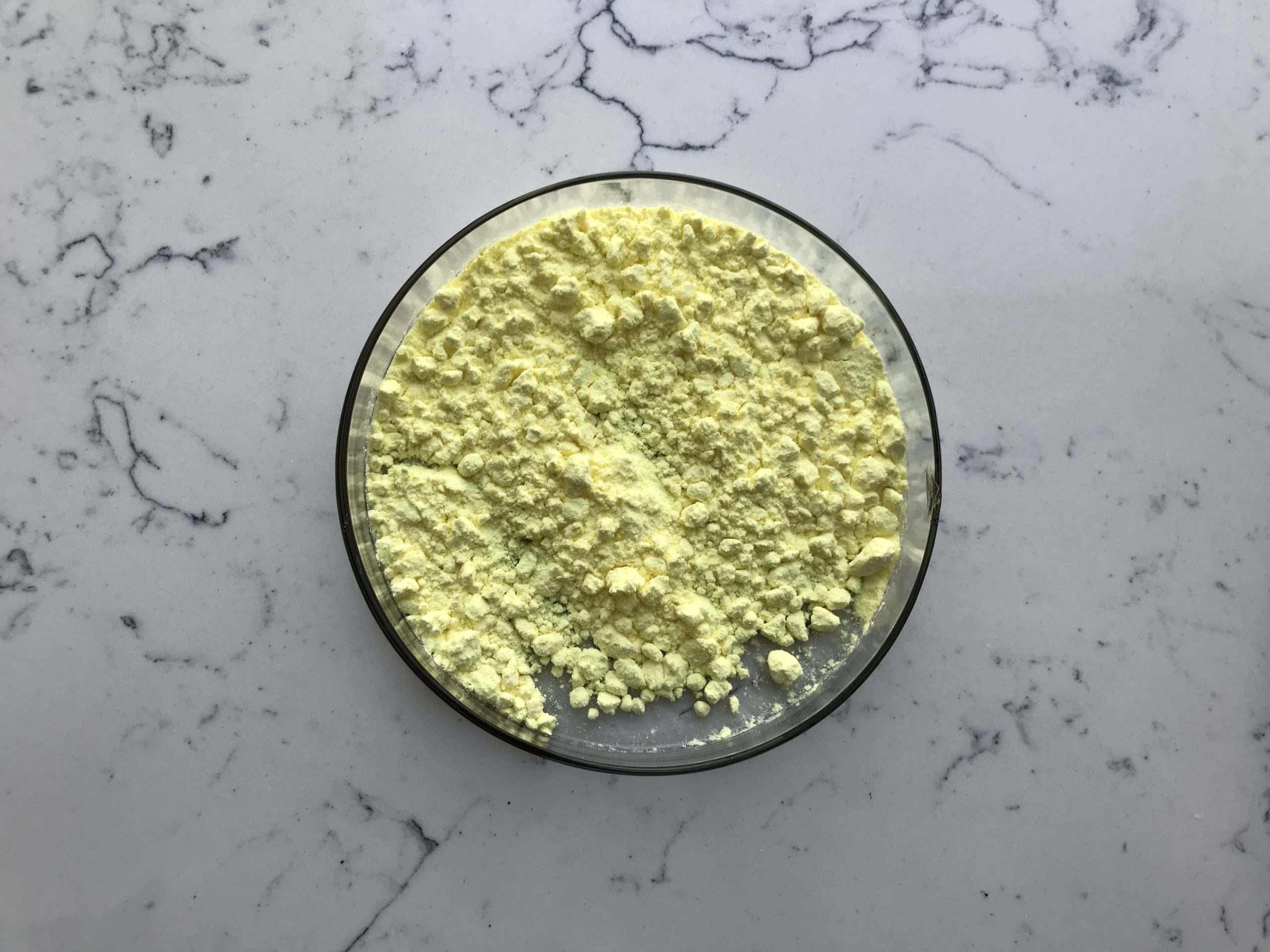
Conclusion:
Kava extract appears to be effective for short-term use in managing anxiety, stress, and sleep disturbances. However, concerns about liver toxicity necessitate careful monitoring of its use, especially in long-term or high-dose applications. It should be used cautiously in individuals with liver problems or those taking medications metabolized by the liver. Always consult with a healthcare provider before beginning any kava supplementation, particularly for those with pre-existing health conditions or who are on other medications.
评论
发表评论