TUDCA (Tauroursodeoxycholic acid) is a bile acid that has gained attention for its potential clinical applications, particularly in liver and neurological conditions. It has several beneficial properties, including anti-apoptotic, anti-inflammatory, and cytoprotective effects. Some of its clinical applications include:
1. Liver Diseases
- Primary Biliary Cholangitis (PBC): TUDCA is used to improve liver function in patients with PBC, a chronic liver disease that involves the progressive destruction of bile ducts. It can help reduce liver enzyme levels and improve bile flow.
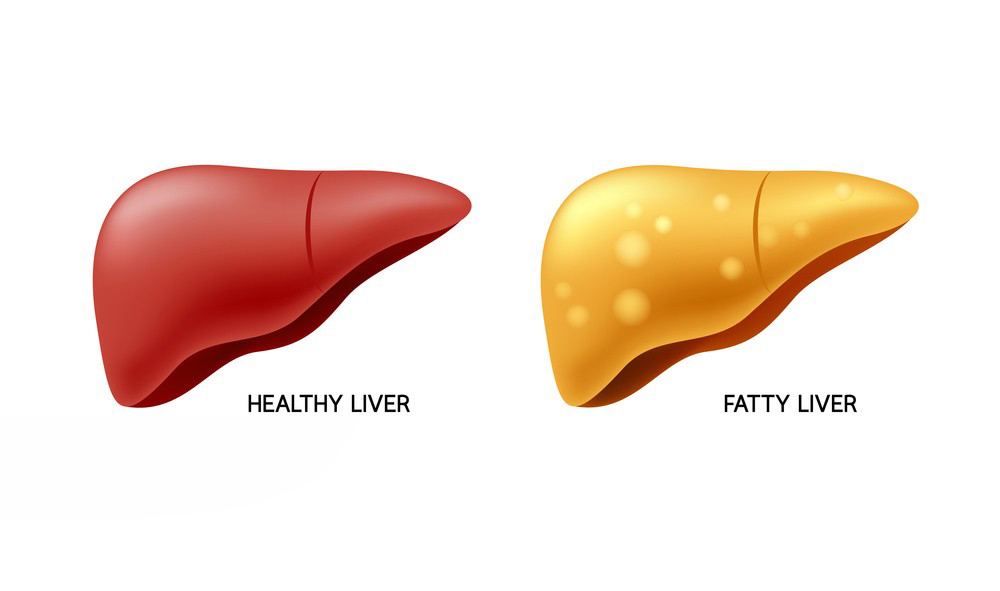
- Non-Alcoholic Fatty Liver Disease (NAFLD) and Non-Alcoholic Steatohepatitis (NASH): TUDCA has shown promise in improving liver function by reducing liver fat accumulation and promoting bile acid metabolism. It may reduce inflammation and improve insulin sensitivity.
- Cholestasis: TUDCA can help alleviate the symptoms of cholestasis, a condition where bile flow is impaired, by improving bile acid transport and reducing liver cell damage.

2. Neurodegenerative Disorders
- Parkinson’s Disease: TUDCA has demonstrated neuroprotective effects in animal models of Parkinson’s disease. It may help prevent the apoptosis of neurons by stabilizing the endoplasmic reticulum and reducing oxidative stress.
- Alzheimer’s Disease: There is emerging evidence suggesting that TUDCA may have neuroprotective properties that could benefit Alzheimer’s disease patients. It may help reduce tau protein aggregation and improve cognitive function.
- Amyotrophic Lateral Sclerosis (ALS): TUDCA has shown potential in ALS treatment by reducing motor neuron loss and protecting against oxidative stress and apoptosis in the central nervous system.
3. Metabolic Disorders
- Type 2 Diabetes: TUDCA may help reduce insulin resistance and improve glucose metabolism by modulating pathways involved in inflammation and oxidative stress.
- Obesity: In some studies, TUDCA has been found to reduce fat accumulation and improve overall metabolic health, although more research is needed in this area.
4. Eye Diseases
- Retinitis Pigmentosa: TUDCA has been investigated as a potential treatment for retinitis pigmentosa, a degenerative eye disease. It is believed to reduce photoreceptor cell death and preserve vision by promoting cell survival mechanisms.

5. Protection Against Hepatotoxicity
- Drug-Induced Liver Injury (DILI): TUDCA has been explored for its ability to protect the liver from damage caused by certain medications, particularly in conditions where the liver is exposed to toxic substances or drugs that can cause cell apoptosis and liver injury.
Mechanism of Action
TUDCA’s primary mechanisms include:
- Cell Protection: It stabilizes the endoplasmic reticulum (ER) membrane and prevents ER stress, a key factor in apoptosis.
- Reduction of Oxidative Stress: TUDCA helps mitigate the harmful effects of oxidative stress by supporting mitochondrial function.
- Anti-Inflammatory Effects: It reduces pro-inflammatory cytokine production, which can be beneficial in a variety of inflammatory and neurodegenerative diseases.
Clinical Evidence
Although TUDCA has shown promise in numerous preclinical and clinical studies, its use is still not universally approved for many conditions, and further research is needed to fully understand its long-term efficacy and safety profile. For example, while it is used in PBC, its role in neurodegenerative diseases and other conditions remains under investigation.
Dosage and Administration
The dosage of TUDCA depends on the specific condition being treated, and clinical guidelines are still evolving. Typically, it is available in oral supplements, and dosages can range from 250 mg to 1500 mg per day, depending on the clinical indication and patient response.
In summary, TUDCA holds significant potential for the management of various liver, metabolic, and neurodegenerative conditions, but its use should be tailored to individual patient needs, and clinicians should carefully monitor its effects.
评论
发表评论