Protease is enzymes that break down proteins by cleaving peptide bonds. They are essential for many biological processes, including digestion, cell signaling, immune response, and protein regulation. The biodiversity of proteases refers to the vast variety of protease found across different organisms, including bacteria, plants, animals, and viruses. This diversity can be seen in the different families, structures, functions, and mechanisms of action of proteases.
Here is an overview of the biodiversity of proteases in various domains of life:
1. Protease Families
Protease can be classified into several major families based on their catalytic mechanisms and sequence similarities. Some of the major protease families include:
- Serine proteases: These protease use a serine residue in their active site to cleave peptide bonds. Examples include trypsin, chymotrypsin, and subtilisin.
- Cysteine proteases: These protease utilize a cysteine residue for catalysis. Examples include caspases, cathepsins, and papain.
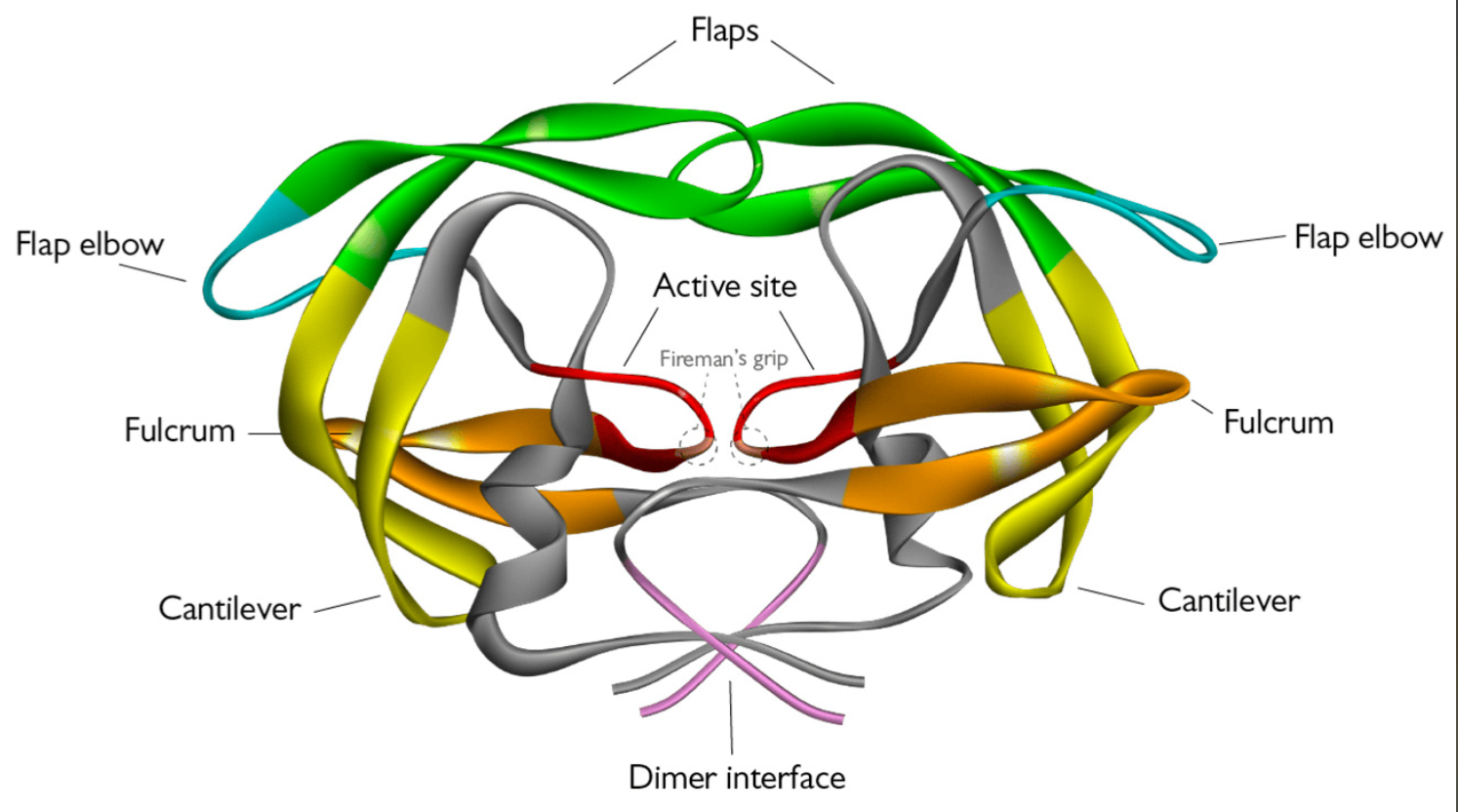
- Aspartic proteases: These protease have two aspartic acid residues in their active site and include pepsin, renin, and HIV-1 protease.
- Metalloproteases: These protease use a metal ion, usually zinc, to facilitate the cleavage of peptide bonds. Examples include matrix metalloproteinases (MMPs) and thermolysin.
- Threonine proteases: These are less common but include proteasomes, a critical component of the ubiquitin-proteasome system.
- Glutamic proteases: These protease use glutamic acid residues in their active sites, but they are less well-studied compared to other types.

2. Protease in Different Domains
- Bacteria: Bacterial protease is extremely diverse, with many serving in processes like virulence, defense mechanisms, and protein turnover. Examples include the subtilisin family, the metalloprotease family, and the serine proteases involved in stress responses.
- Protease inhibitors: Bacteria also produce protease inhibitors to protect themselves from other microorganisms and to regulate their own enzymatic activities.
- Fungi: Fungal protease, such as those from Aspergillus species, are key to nutrient acquisition, especially for breaking down complex organic matter. Fungi also produce a variety of extracellular proteases for pathogenesis.
- Plants: Plant protease have diverse functions, including in defense against herbivores (e.g., proteinase inhibitors), stress responses, and seed development. Examples include the papain-like cysteine proteases and the aspartic proteases involved in the degradation of storage proteins.
- Animals: Animal protease is involved in digestion, immune response, and regulation of metabolic processes. Examples include trypsin and chymotrypsin in digestion, caspases in apoptosis, and matrix metalloproteinases (MMPs) in tissue remodeling.
- Viruses: Many viruses, such as HIV and picornaviruses, encode protease that are essential for processing viral polyproteins into functional units. These proteases, like HIV-1 protease, are major targets for antiviral drugs.
3. Functions and Roles
- Digestion: Protease break down dietary proteins into peptides and amino acids that can be absorbed by the body. This occurs in the stomach (e.g., pepsin) and small intestine (e.g., trypsin, chymotrypsin).
- Regulation of Protein Function: Protease is involved in the activation or inactivation of proteins by cleaving them at specific sites, as seen in processes like apoptosis (caspases) and blood clotting (thrombin).
- Immune Response: Protease such as granzyme B and neutrophil elastase play roles in immune defense and inflammation.
- Viral Replication: Many viruses, including retroviruses, require protease to cleave viral polyproteins during replication and maturation.
- Cell Signaling: Some proteases cleave membrane-bound receptors or signaling molecules, modulating cellular responses. For instance, the activation of certain growth factors (e.g., transforming growth factor-beta, TGF-β) involves proteolytic cleavage.
4. Protease Diversity in Evolution
Protease is among the most ancient enzymes and show significant diversity across evolutionary lines. For example:
- Prokaryotes: Early life forms such as bacteria developed protease as part of their basic cellular machinery, evolving numerous families of enzymes to deal with different substrates and environments.
- Eukaryotes: As multicellular organisms evolved, protease diversity increased to regulate complex processes such as development, immunity, and cell death.
- Viruses: Viral protease have evolved in a highly specialized manner to ensure the efficient replication of viral genomes and assembly of new virions.
5. Biotechnological and Medical Relevance
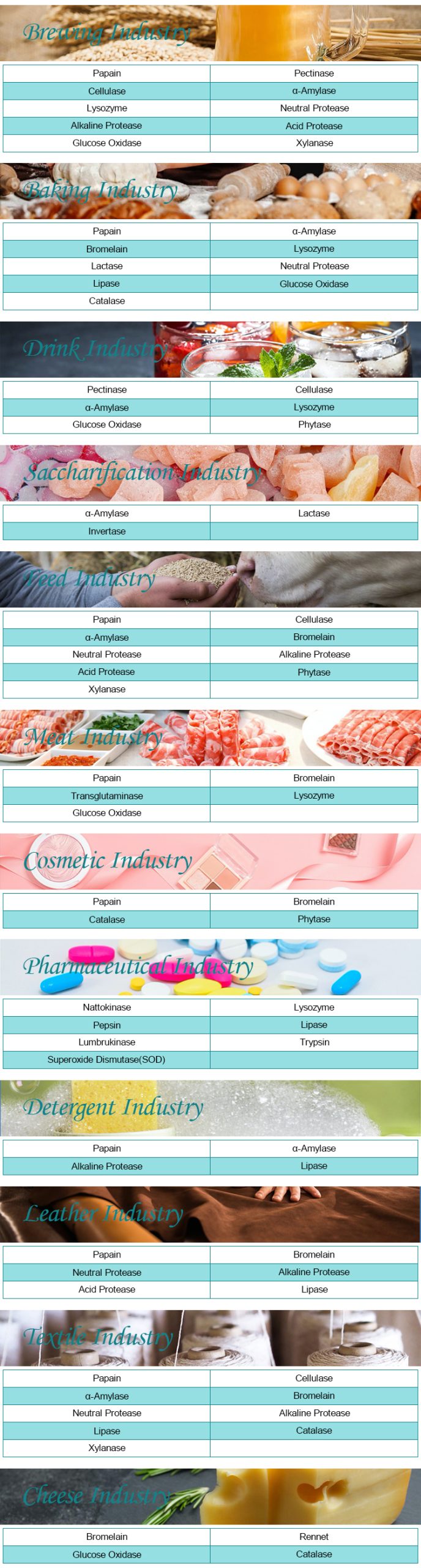
- Enzyme Engineering: Due to their vast diversity, protease is important tools in biotechnology, such as in the production of biofuels, food processing (e.g., cheese making, meat tenderization), and pharmaceuticals (e.g., recombinant proteases for drug synthesis).
- Drug Targets: Protease inhibitors are used in medicine to treat diseases caused by viral infections, such as HIV and hepatitis C, as well as in cancer therapy where protease activity is often dysregulated.
- Diagnostic Tools: Protease is sometimes used in clinical diagnostics, such as in enzyme-linked immunosorbent assays (ELISA), to detect specific antibodies or antigens.
6. Environmental and Ecological Impact
- Soil Microbial Proteases: Soil organisms produce protease that break down organic matter, contributing to nutrient cycling. These enzymes are important in decomposing plant and animal material, which returns nitrogen and other essential elements to the ecosystem.
- Marine Ecosystems: Marine bacteria and fungi produce protease that degrade organic material in oceanic environments, playing a role in carbon cycling and nutrient turnover in marine ecosystems.
Conclusion
Protease exhibit a remarkable level of diversity across different domains of life, reflecting their critical roles in various biochemical pathways and ecological processes. From bacteria to humans, the range of proteases and their functions demonstrate their evolutionary significance and adaptability, making them important targets for both basic biological research and practical applications in medicine and biotechnology.
评论
发表评论