跳至主要内容

Benefits of BAM-15

 BAM-15 is an experimental small-molecule compound studied mainly in metabolic research. It acts as a mitochondrial uncoupler, meaning it disrupts the coupling between electron transport and ATP synthesis in mitochondria. This causes cells to burn more fuel and release energy as heat instead of storing it as ATP.

Below are the main potential benefits observed in scientific studies (mostly animal and preclinical research):

1. Increased Energy Expenditure

BAM-15 increases mitochondrial proton leak, which makes cells burn more calories to maintain energy balance.

Potential outcomes observed in studies:

  • Higher metabolic rate
  • Increased fat oxidation
  • Reduced weight gain in animal models

2. Weight Loss and Reduced Fat Mass

In obese mouse studies, BAM-15 significantly reduced body fat without decreasing food intake.

Reported effects:

  • Reduced adipose tissue
  • Lower body weight
  • Improved body composition

This differs from many weight-loss drugs that suppress appetite.
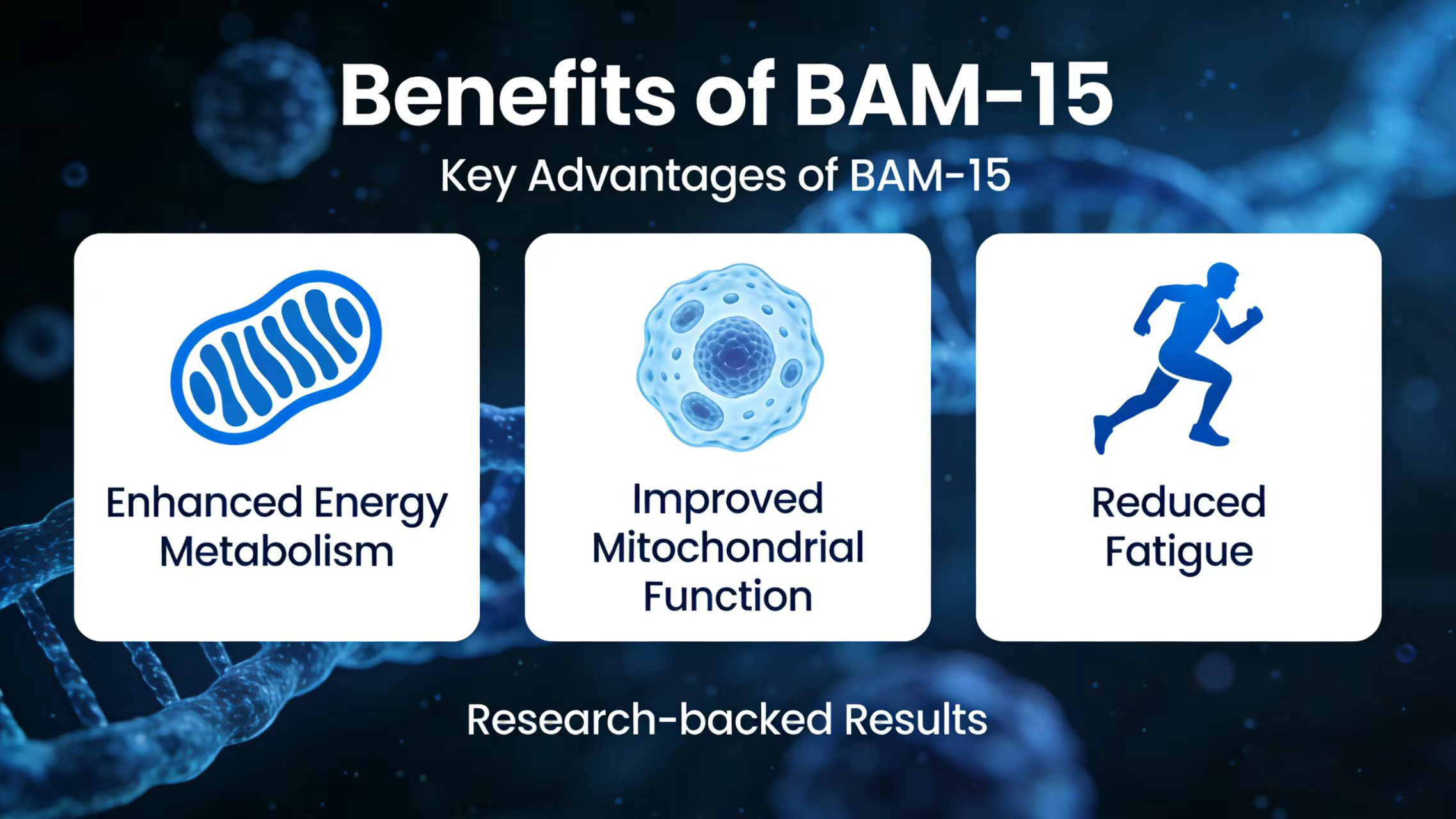
Benefits of BAM-15

3. Improved Insulin Sensitivity

BAM-15 may improve glucose metabolism and reduce insulin resistance.

Potential metabolic improvements:

  • Lower blood glucose
  • Better insulin signaling
  • Reduced risk markers for metabolic syndrome

This suggests possible future relevance for conditions like Type 2 Diabetes.

4. Reduced Liver Fat (Anti-Fatty Liver Effect)

BAM-15 has shown strong effects in reducing liver lipid accumulation.

Potential benefits:

  • Reduced hepatic triglycerides
  • Protection against Nonalcoholic Fatty Liver Disease
  • Improved liver metabolic function

5. Lower Oxidative Stress

Mild mitochondrial uncoupling can reduce mitochondrial membrane potential, which may decrease reactive oxygen species (ROS) production.

Possible benefits:

  • Reduced oxidative damage
  • Improved mitochondrial health
  • Protection against metabolic stress

6. Potential Cardiometabolic Benefits

By improving metabolism and reducing fat accumulation, BAM-15 could theoretically lower risk factors associated with:

  • Obesity
  • Metabolic syndrome
  • Cardiovascular disease

However, these benefits are still under investigation.

Important note:

BAM-15 is not approved for medical use and remains a research compound. Most benefits have been observed only in animal studies, and human safety and efficacy are not yet established.
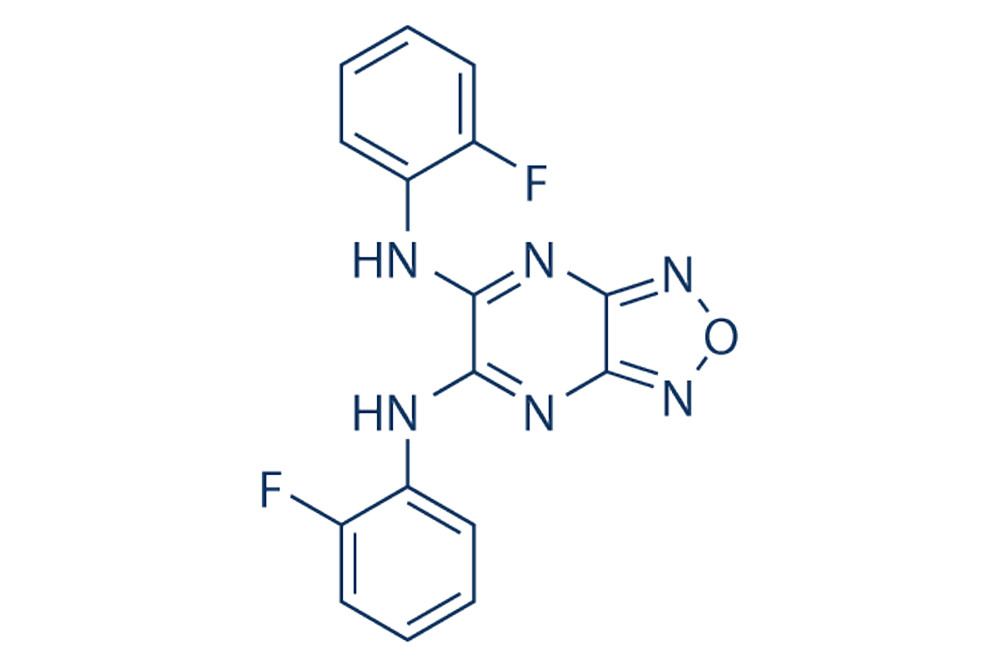
Benefits of BAM-15

Summary

PotentialBenefit Mechanism
Increased calorie burningMitochondrial uncoupling
Fat lossIncreased energy expenditure
Improved insulin sensitivityBetter glucose metabolism
Reduced liver fatEnhanced lipid oxidation
Lower oxidative stressReduced ROS production

If you’d like, I can also explain:

  • How BAM-15 works at the mitochondrial level
  • Why it is considered safer than 2,4‑Dinitrophenol
  • Its current research status and future drug potential.

评论

此博客中的热门博文

Basic information of Collagen and Where you can buy Collagen CAS#9064-67-9?

  Collagen   is the most abundant protein in the human body, making up about 30% of the body’s total protein content. It plays a crucial role in providing structure, strength, and elasticity to various tissues and organs, including the skin, bones, tendons, ligaments, blood vessels, and even the cornea of the eyes. Types of Collagen There are at least 28 types of collagen, but the most common types are: Type I:  The most abundant form, found in skin, bones, tendons, and ligaments. Type II:  Found in cartilage and helps provide joint support. Type III:  Found in the skin, muscles, and blood vessels, often present alongside type I collagen. Type IV:  Found in the layers of the skin and the kidneys. Type V:  Found in the cornea of the eye, hair, and placenta. Structure of Collagen Collagen is made up of amino acids, primarily glycine, proline, and hydroxyproline. These amino acids form a triple-helix structure, which provides the tensile strength and...

Comprehensive study on White Willow Extract

Studying   white willow extract   involves exploring its botanical properties, historical uses, active compounds, potential health benefits, and safety considerations. Here’s a comprehensive overview: Botanical Overview: Scientific Name:  Salix alba Common Names:  White willow, European willow Description:  A deciduous tree native to Europe and Asia, known for its slender leaves and grayish bark. Active Compounds: Salicin:  Primary active compound, a natural precursor to salicylic acid. Flavonoids:  Including flavonols and catechins, contributing to antioxidant properties. Phenolic Glycosides:  Various compounds with potential health benefits. Historical Use: Traditional Medicine:  Used for centuries in traditional European and Asian medicine for pain relief, fever reduction, and inflammatory conditions. Health Benefits and Current Research: Pain Relief:  Acts similarly to aspirin in relieving pain and inflammation due to salicin’s conve...

How best to use the Hericium Erinaceus Capsule?

  Hericium erinaceus, commonly known as lion’s mane mushroom, is a type of edible and medicinal mushroom with potential health benefits. Lion’s mane mushroom is often consumed in various forms, including capsules, powders, extracts, and as a whole food. If you have lion’s mane mushroom in capsule form ( Hericium erinaceus capsule ), here are some tips on how to use them effectively: Follow Dosage Instructions:  The dosage can vary depending on the concentration of the active ingredients in the capsules and individual factors such as age, weight, and health condition. Always follow the recommended dosage instructions provided on the product packaging or by a healthcare professional. Consistency is Key:  Like many supplements, lion’s mane may take time to produce noticeable effects. Consistent use over time is often more effective than sporadic usage. Stick to a regular dosing schedule to maximize the potential benefits. Take with Food:  It’s generally recommended to t...