NMN (Nicotinamide Mononucleotide) is a popular supplement, often taken to improve energy levels, support aging-related processes, and enhance cellular health. While it is generally considered safe for most people, there can be some adverse effects, though they are relatively rare and not well-documented in extensive clinical studies. Here are some potential side effects and considerations:
1. Digestive Issues
Nausea, bloating, or stomach discomfort: Some people may experience mild gastrointestinal issues like nausea or bloating, especially when taking NMN on an empty stomach.
Diarrhea: There have been occasional reports of loose stools or diarrhea when NMN is taken in higher doses.
2. Headaches
A few users have reported experiencing headaches when starting NMN supplementation, though this side effect is not widely reported.

3. Insomnia or Sleep Disturbances
In rare cases, some individuals may find it harder to sleep, possibly due to an increase in energy or metabolic activity. It’s suggested that if this occurs, taking NMN earlier in the day may help.
4. Increased Heart Rate or Blood Pressure
Although not a common side effect, there have been anecdotal reports of an increase in heart rate or slight changes in blood pressure. This could be due to the compound’s potential effects on metabolism and energy production.
5. Potential for Drug Interactions
NMN may interact with certain medications, particularly those that affect metabolism, such as blood pressure medications, diabetes drugs, or immunosuppressants. If you are on prescription medication, consult a doctor before starting NMN supplementation.
6. Long-term Safety Uncertainty
Most clinical studies on NMN have been conducted on animals, and while there is growing interest in human trials, the long-term safety of NMN in humans is not fully established yet. The current body of research suggests it is safe for short-term use, but the long-term effects are not well understood.
7. Overstimulation of Cellular Processes
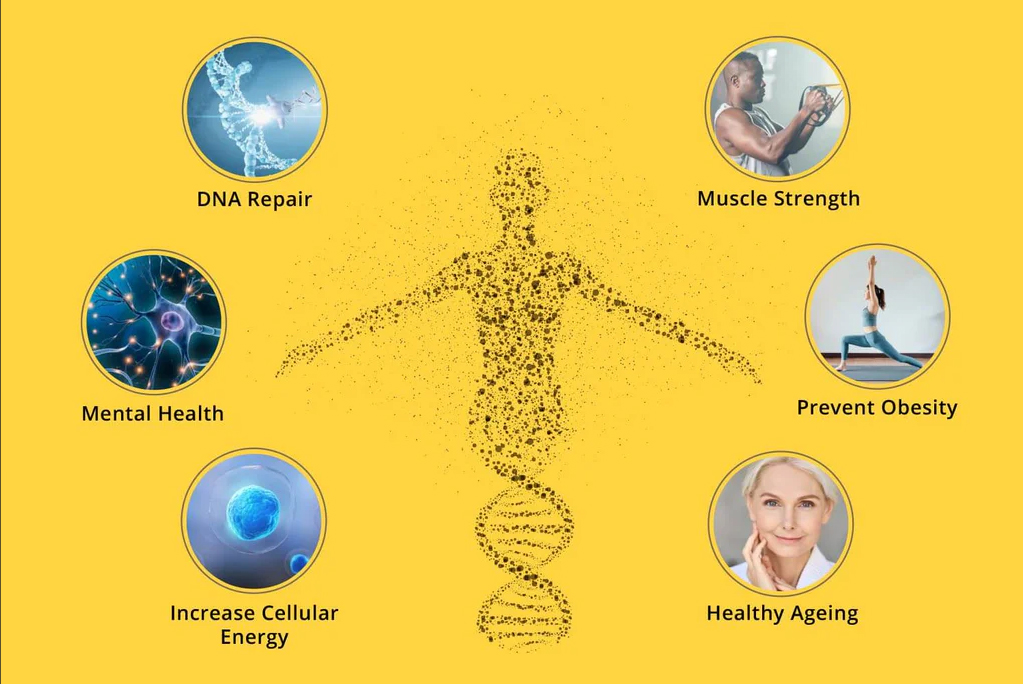
NMN boosts NAD+ levels, which is important for cellular energy and repair. However, excessive NAD+ could potentially overstimulate certain cellular processes, including DNA repair and inflammation. This has raised theoretical concerns, but more research is needed to confirm these risks in humans.
8. Allergic Reactions
While rare, some individuals might be allergic to NMN or the compounds used in its formulation. Symptoms could include rash, itching, or more severe reactions.
9. Potential for Altering Methylation
There is some concern that NMN is influence on NAD+ levels could affect cellular methylation processes, which play a role in gene expression and aging. However, more research is required to clarify these effects.
General Considerations:
- Dosage: The side effects are often related to high doses. It’s recommended to start with a lower dose and gradually increase it to assess tolerance.
- Quality Control: Since the supplement industry is not highly regulated, the purity and quality of NMN products can vary. It’s important to choose a reputable brand that provides third-party testing.
As with any supplement, it’s a good idea to consult with a healthcare provider before starting NMN, especially if you have any pre-existing medical conditions or are taking medications.
评论
发表评论