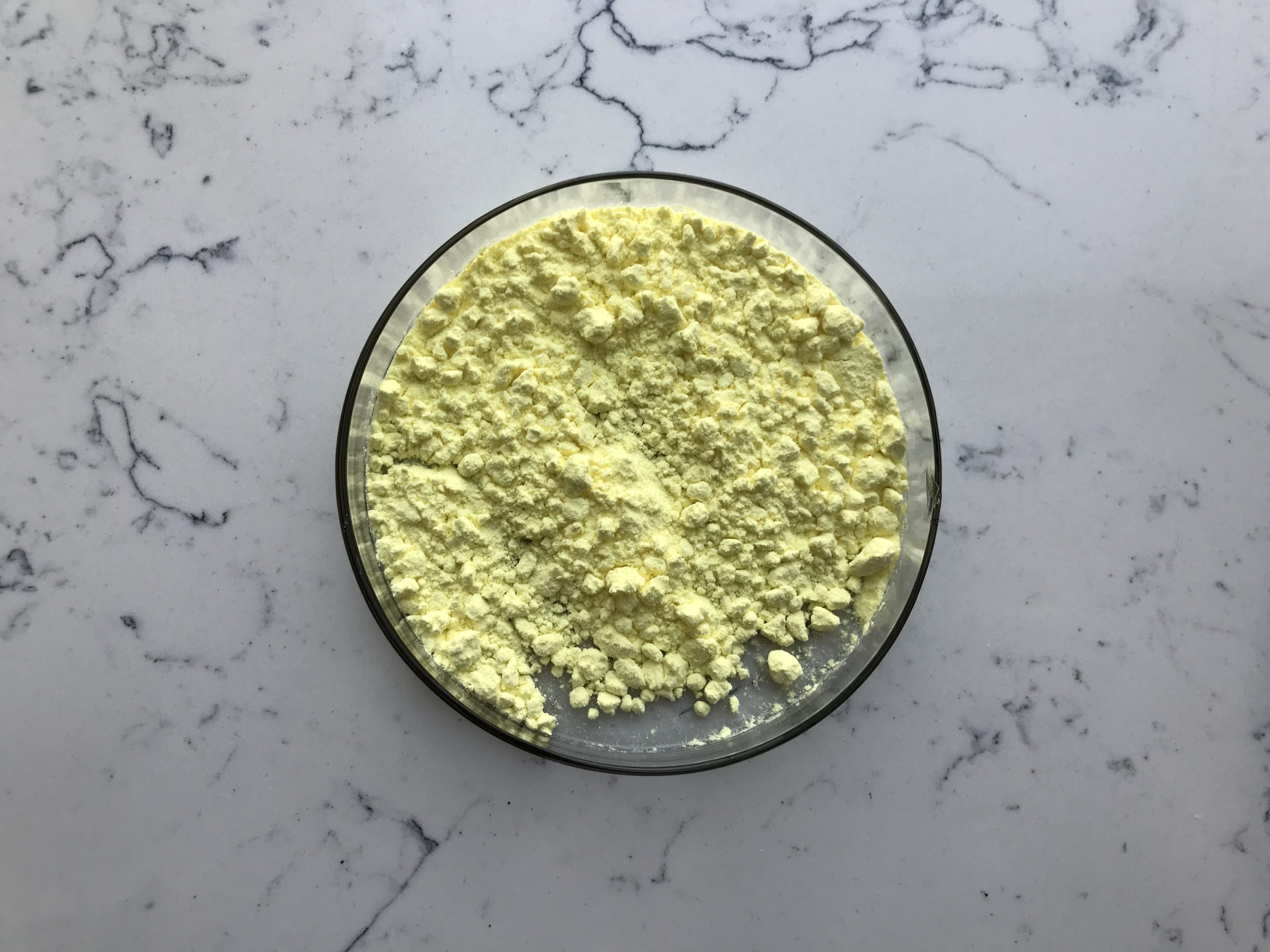
Kava extract, made from the root of the Piper methysticum plant, is often used for its calming and anxiety-reducing effects. While it can be beneficial for certain conditions, it also has potential adverse effects and risks, especially when used improperly or in high doses. Some of the main concerns include:
1. Liver Damage
Kava has been associated with liver toxicity, which can range from mild liver enzyme elevations to severe liver damage, including hepatitis, cirrhosis, and even liver failure in rare cases. The exact cause of liver damage is not fully understood, but it may be related to the extraction process or the use of poor-quality kava. It’s recommended to avoid kava if you have liver disease or a history of liver problems.
2. Gastrointestinal Issues
Some users experience nausea, vomiting, or stomach upset when taking kava, especially in large quantities. This is more common with traditional preparations that use the whole root.
3. Skin Reactions (Kava Dermopathy)
Chronic use of Kava extract has been linked to a condition called kava dermopathy, which causes the skin to become rough, dry, and discolored. It may resemble a scaly rash or thickened skin. The condition reverses after discontinuing kava.
4. CNS Depression (Central Nervous System)
Since kava has sedative effects, excessive consumption can lead to CNS depression, which includes drowsiness, dizziness, confusion, and coordination problems. It is especially risky when combined with other CNS depressants like alcohol, benzodiazepines, or certain sleep medications.
5. Interaction with Medications
Kava extract can interact with several medications, including:
- Antidepressants (SSRIs, SNRIs): Risk of serotonin syndrome if taken together.
- Antianxiety medications: Increased sedative effects when combined with benzodiazepines or other tranquilizers.
- Antihypertensive drugs: Kava can lower blood pressure, so caution should be taken if you’re on blood pressure medication.
- Anticoagulants: There may be an increased risk of bleeding when used with blood thinners.
6. Psychological Effects
While kava is commonly used for anxiety, long-term use can lead to psychological dependence in some individuals. There may also be potential effects on mood and cognition, including altered mental clarity, memory, or concentration.
7. Pregnancy and Breastfeeding
Kava extract is generally not recommended during pregnancy or breastfeeding due to potential risks to the fetus or infant, including adverse effects on brain development.
8. Risk of Overuse and Toxicity
High doses of kava or prolonged use may increase the risk of severe adverse effects. A commonly cited dose range is 120–240 mg of kavalactones per day, but going above this limit may increase the likelihood of side effects.
9. Allergic Reactions
Although rare, some people may experience allergic reactions to kava, such as hives, swelling, or difficulty breathing.
Recommendations for Safe Use:
- Consult a healthcare provider before using kava, especially if you have preexisting health conditions or take medications.
- Limit use and avoid chronic or high-dose use to reduce risks.
- Purchase high-quality kava products from reputable sources, as poor-quality or contaminated kava may have additional risks.
- Avoid alcohol while using kava to minimize the potential for liver damage or CNS depression.
If you experience any adverse symptoms while taking Kava extract, such as yellowing of the skin or eyes, dark urine, stomach pain, or unusual tiredness, it is important to stop using kava immediately and seek medical advice.
评论
发表评论