Pyrroloquinoline quinone, often referred to as PQQ, is a naturally occurring compound found in various foods and some microorganisms. It is a redox cofactor, which means it plays a role in electron transfer within cells. PQQ was first discovered as an enzyme cofactor in bacteria, and later research has revealed its potential importance in human health.
PQQ is of interest in the field of nutritional and health sciences due to its potential benefits, including:
Antioxidant Properties: PQQ acts as an antioxidant, helping to protect cells from damage caused by free radicals. It can help reduce oxidative stress, which is associated with various chronic diseases.
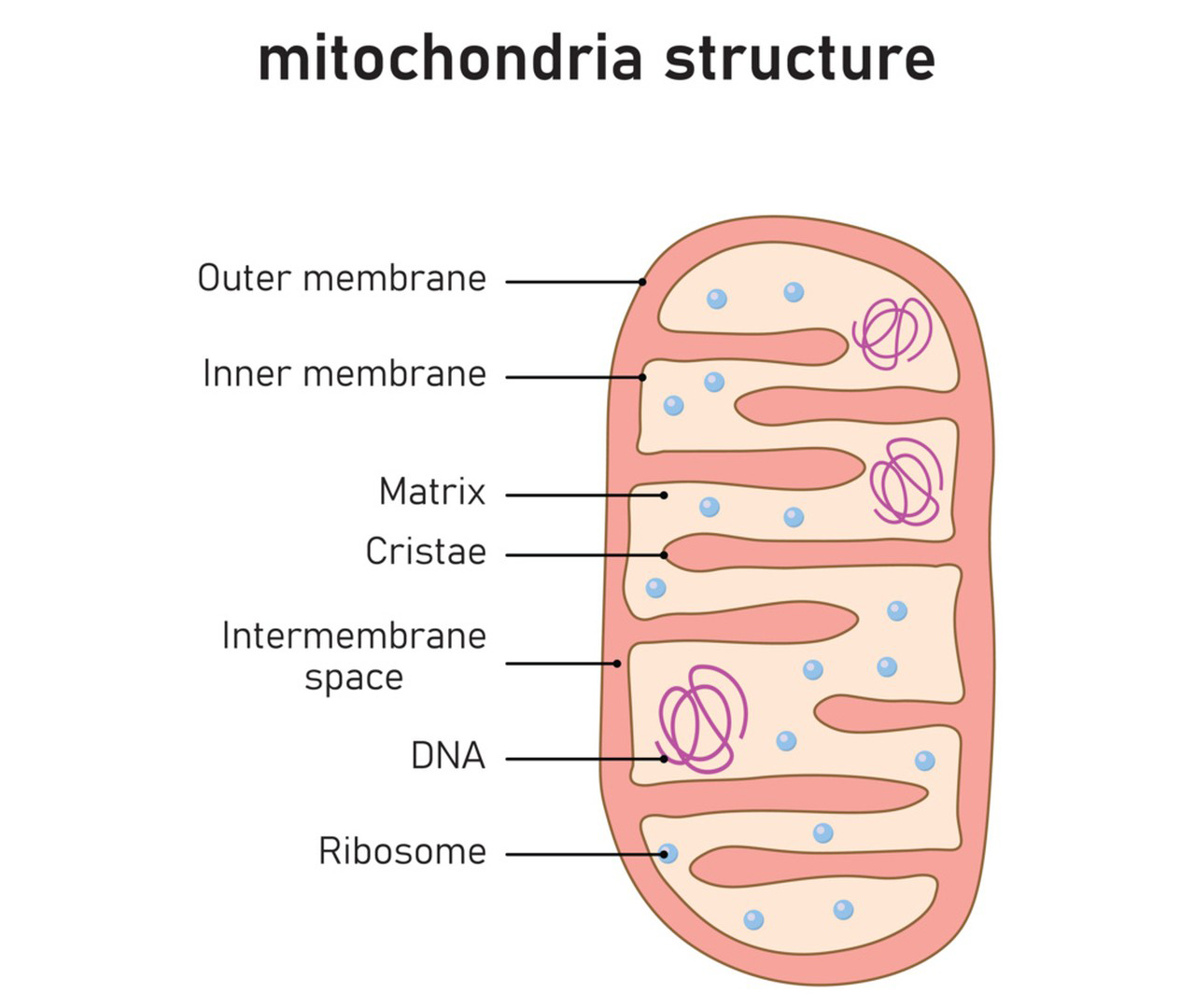
Mitochondrial Function: PQQ has been found to support mitochondrial function, which are the energy-producing organelles within cells. It may promote the creation of new mitochondria and help maintain their optimal function.
Neuroprotection: Some studies suggest that PQQ may have neuroprotective properties and could potentially support cognitive function. It may be beneficial for brain health and memory.
Cardiovascular Health: PQQ might help support cardiovascular health by reducing inflammation and promoting healthy blood vessel function.
Energy Metabolism: PQQ can be involved in energy metabolism processes, and its supplementation may help boost energy levels and reduce fatigue.
Aging: Some researchers have suggested that PQQ may have anti-aging effects by promoting cellular health and reducing oxidative damage.
PQQ is naturally present in some foods, such as spinach, green peppers, kiwi, and fermented soybeans. It is also available as a dietary supplement in the form of PQQ disodium salt. As with any supplement, it’s essential to consult with a healthcare professional before using it, especially if you have specific health concerns or are taking other medications. The long-term safety and efficacy of PQQ supplementation are still areas of ongoing research, and individual responses to the compound can vary.
How to use Pyrroloquinoline Quinone(PQQ)?
Pyrroloquinoline quinone (PQQ) is a natural compound that plays a role in various biological processes, including cellular energy production and antioxidant defense. It is often taken as a dietary supplement for its potential health benefits. Here’s how you can use PQQ:
1.Dietary Supplements:
PQQ is commonly available in the form of dietary supplements. You can find it as a standalone supplement or in combination with other nutrients. When using PQQ supplements, follow these general guidelines:
a. Dosage: The recommended dosage varies, but a typical dose for adults is in the range of 10-20 milligrams per day. However, it’s essential to consult a healthcare professional before starting any new supplement, as the appropriate dosage may vary depending on individual health needs.
b. Timing: PQQ supplements are typically taken with food to enhance absorption. Follow the specific instructions on the supplement label, or as directed by your healthcare provider.
PQQ is also found in trace amounts in certain foods. Consuming these foods can be a natural way to incorporate PQQ into your diet:
a. Fermented soybeans (natto): Natto is a traditional Japanese dish that contains relatively high levels of PQQ.
b. Spinach and green peppers: These vegetables contain small amounts of PQQ.
3.Potential Benefits:
While research on PQQ is ongoing, some potential health benefits associated with PQQ supplementation include improved cognitive function, increased energy production, and antioxidant effects. However, it’s important to note that more research is needed to confirm these potential benefits, and individual responses may vary.
4.Consult a Healthcare Professional:
Before adding PQQ supplements to your regimen, it’s crucial to consult with a healthcare professional, such as a doctor or a registered dietitian, especially if you have pre-existing health conditions, are pregnant or nursing, or are taking medications.
5.Be Aware of Side Effects:
PQQ is generally considered safe when used as directed, but side effects are rare. However, if you experience any adverse effects, discontinue use and consult a healthcare professional.
6.Quality Control:
When choosing a PQQ supplement, opt for reputable brands and look for products that have been independently tested for quality and purity. Consider discussing product recommendations with your healthcare provider.
Keep in mind that the information regarding PQQ’s benefits and safety may change as more research becomes available. Therefore, it’s essential to stay informed and make your decisions based on the latest scientific evidence and guidance from healthcare professionals.
From cellsbio health technology co.,ltd
评论
发表评论