Dutasteride is a medication primarily used to treat benign prostatic hyperplasia (BPH), which is an enlargement of the prostate gland in men. It is also sometimes prescribed for male pattern baldness (androgenetic alopecia).
Dutasteride belongs to a class of drugs known as 5-alpha-reductase inhibitors. These inhibitors work by blocking the action of the enzyme 5-alpha-reductase, which is responsible for converting testosterone into its more potent form, dihydrotestosterone (DHT). DHT is involved in the growth of the prostate gland and can contribute to the development of BPH as well as male pattern baldness.
By inhibiting the conversion of testosterone to DHT, dutasteride helps to shrink the prostate gland in men with BPH, which can alleviate urinary symptoms like difficulty urinating, frequent urination, and incomplete bladder emptying. In the context of male pattern baldness, dutasteride may help slow down hair loss and promote some degree of hair regrowth by reducing the levels of DHT that can negatively affect hair follicles.
Dutasteride is available in oral capsule form and is typically taken once a day. It’s important to note that dutasteride can have side effects, including potential sexual side effects like decreased libido, erectile dysfunction, and decreased ejaculate volume. Before taking any medication, it’s advisable to consult with a healthcare professional to discuss potential benefits, risks, and alternatives.
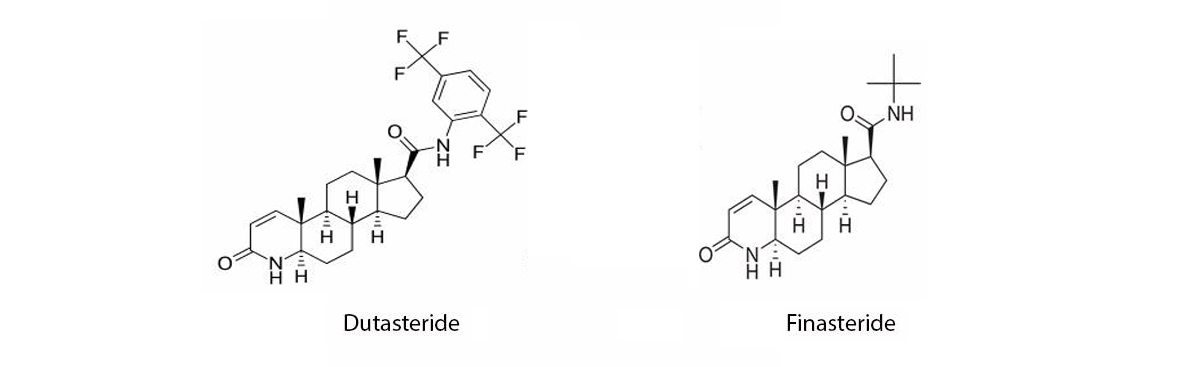
How to use Dutasteride?
Dutasteride is a medication primarily used for the treatment of benign prostatic hyperplasia (BPH), a condition in which the prostate gland becomes enlarged and causes urinary symptoms. It works by inhibiting the production of the hormone dihydrotestosterone (DHT), which is responsible for prostate enlargement. Here’s how to use dutasteride:
1. Consult a Doctor: Before starting any medication, including dutasteride, it’s essential to consult a healthcare professional. They will assess your medical history, current health status, and any potential interactions with other medications you might be taking.
2. Dosage: The typical dose of dutasteride for BPH is 0.5 milligrams (mg) taken orally once a day. The medication comes in capsule form. Follow your doctor’s prescribed dosage exactly.
3. Timing: Take dutasteride at the same time each day to maintain consistent levels of the medication in your body. You can take it with or without food.
4. Swallow Whole: Swallow the dutasteride capsule whole with water. Do not crush, chew, or open the capsule, as this could affect the release of the medication and its effectiveness.
5. Be Patient: Dutasteride may take several months to show noticeable improvements in BPH symptoms. It’s important to continue taking the medication as prescribed even if you don’t see immediate results.
6. Follow Up: Your doctor will likely schedule regular follow-up appointments to monitor your progress and assess the effectiveness of the medication. During these visits, you can discuss any changes in your symptoms or potential side effects.
7. Side Effects: Dutasteride may have side effects, which can include decreased libido, erectile dysfunction, breast tenderness or enlargement, and decreased ejaculate volume. If you experience any bothersome or severe side effects, contact your doctor.
8. Precautions: Inform your doctor about any other medications you are taking, as there might be interactions between dutasteride and other drugs. Additionally, women who are pregnant or planning to become pregnant should avoid handling crushed or broken dutasteride capsules, as the medication can be absorbed through the skin and potentially harm a developing fetus.
9. Discontinuation: Do not stop taking dutasteride without consulting your doctor, even if your symptoms improve. Abruptly discontinuing the medication could lead to a return of symptoms.
Remember, the information provided here is for general guidance and does not replace professional medical advice. Always consult your healthcare provider before starting, stopping, or changing any medication regimen.
评论
发表评论