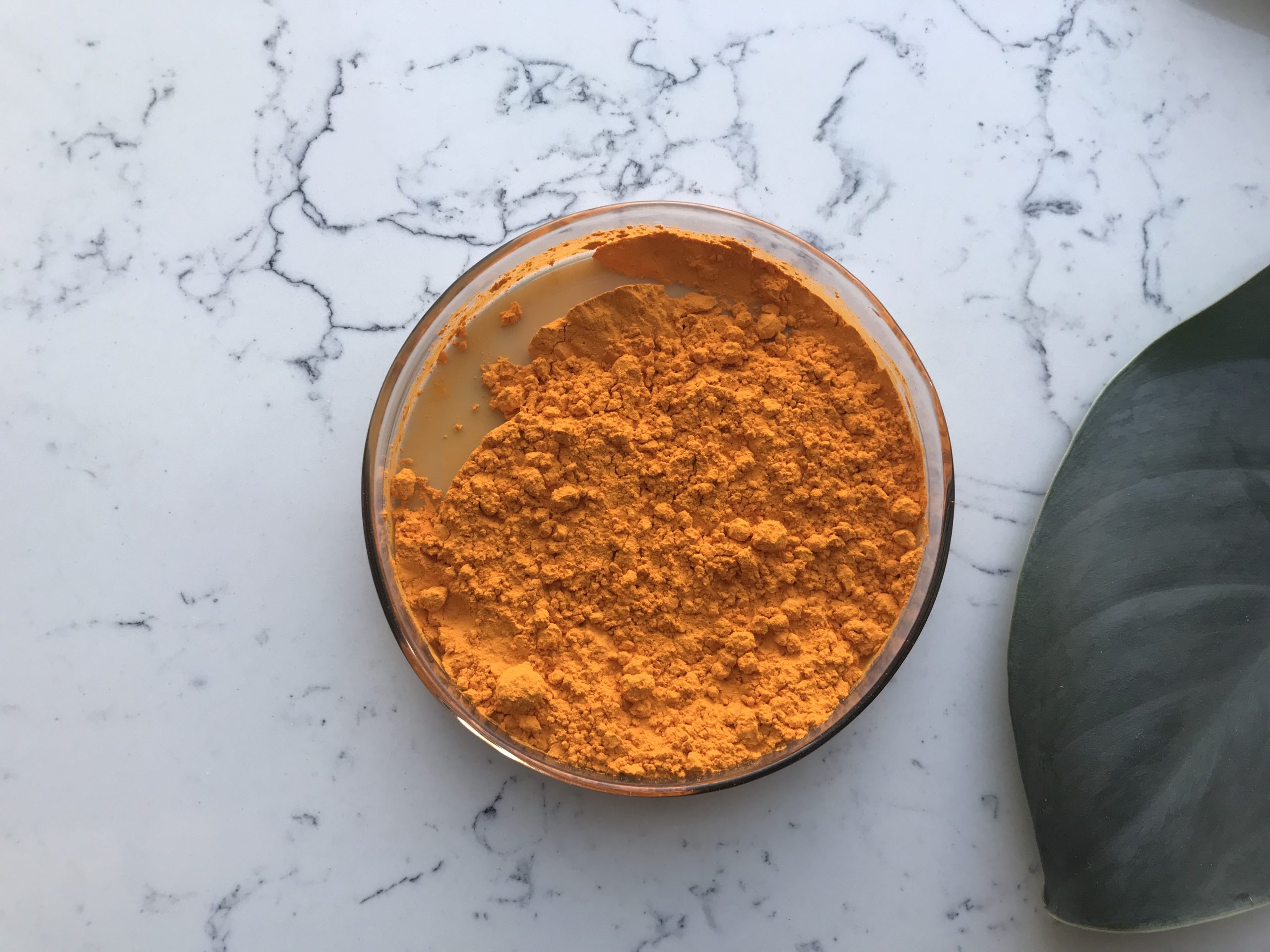
Curcumin is a natural chemical compound that is found in the root of the turmeric plant (Curcuma longa), which is a member of the ginger family. Turmeric is a commonly used spice in Indian and Southeast Asian cuisines, giving dishes a distinctive yellow color. Curcumin is responsible for this vibrant color and also contributes to the flavor of turmeric.
Curcumin has gained significant attention due to its potential health benefits. It is considered a bioactive compound and is classified as a polyphenol, which is a type of antioxidant. Antioxidants are compounds that help protect the body’s cells from damage caused by oxidative stress and free radicals, which are unstable molecules that can contribute to various diseases and the aging process.
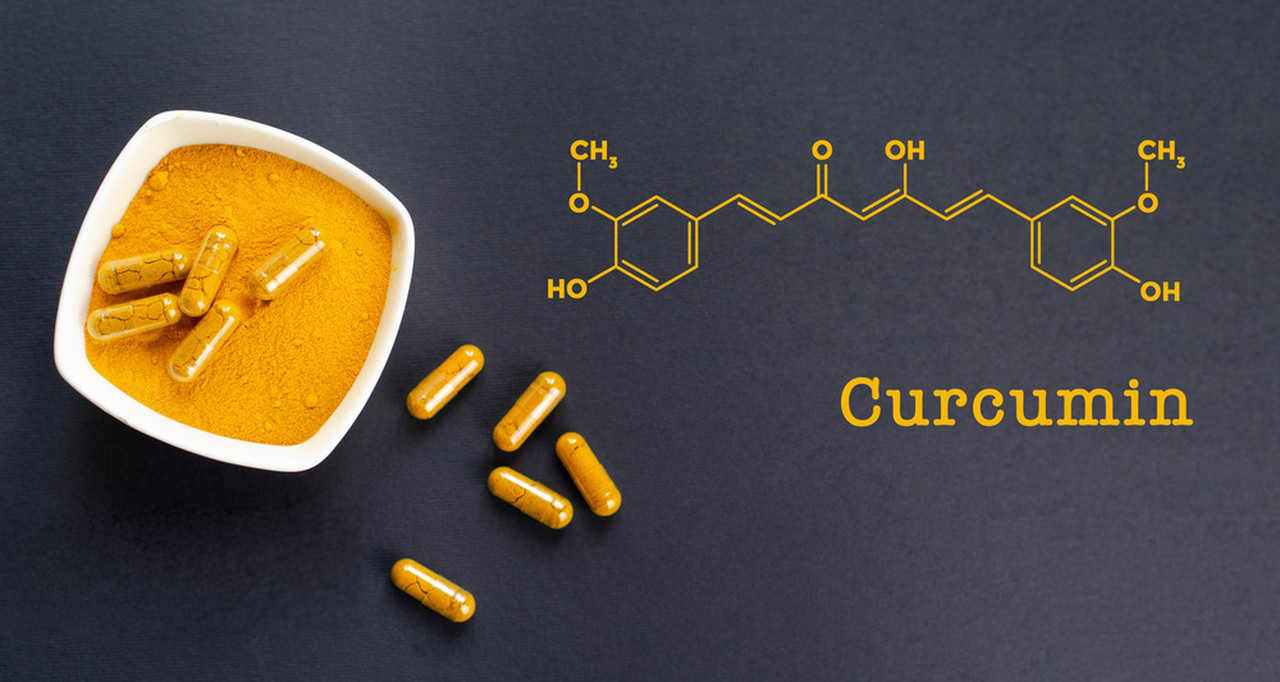
Research into curcumin’s potential health benefits is ongoing, and some studies suggest that it might have anti-inflammatory, anti-cancer, and neuroprotective properties. It has been used traditionally in Ayurvedic and traditional Chinese medicine for its potential healing properties. However, it’s important to note that the bioavailability of curcumin is relatively low, meaning that it’s not easily absorbed by the body. To address this issue, researchers have explored various formulations and delivery methods to enhance its absorption.
It’s worth mentioning that while curcumin holds promise for its potential health benefits, scientific understanding is still evolving, and more research is needed to fully understand its effects and mechanisms of action in the human body. If you’re considering using curcumin supplements or making dietary changes, it’s a good idea to consult with a healthcare professional, especially if you have any existing health conditions or are taking other medications.
Potential Benefits of Curcumin
Curcumin is a natural compound found in the spice turmeric. It has gained significant attention for its potential health benefits, although it’s important to note that many of these effects are still being studied and may not have definitive scientific consensus. Some of the potential benefits of curcumin include:
Anti-Inflammatory Properties: Curcumin is known for its strong anti-inflammatory effects. Chronic inflammation is linked to various chronic diseases, such as heart disease, cancer, and neurodegenerative disorders. Curcumin may help to reduce inflammation by inhibiting certain molecules involved in the inflammatory response.
Antioxidant Activity: Curcumin is a potent antioxidant, which means it can neutralize harmful free radicals in the body. This antioxidant activity can help protect cells and tissues from oxidative stress, which is associated with aging and various diseases.
Pain Relief: Some studies suggest that curcumin may have analgesic (pain-relieving) effects. It could potentially help alleviate pain associated with conditions like osteoarthritis and rheumatoid arthritis.
Brain Health: Curcumin has been investigated for its potential to support brain health. It may help increase levels of brain-derived neurotrophic factor (BDNF), a growth hormone that functions in the brain, and potentially aid in the growth and maintenance of brain cells. This has led to research into its potential role in neurodegenerative diseases like Alzheimer’s.
Cancer Prevention: Laboratory studies and animal models have shown that curcumin may have anticancer properties. It has been studied for its potential to inhibit the growth and spread of cancer cells, although more research is needed to determine its effectiveness in humans.
Heart Health: Curcumin may have cardiovascular benefits, including improving the function of the endothelium (the lining of blood vessels), reducing inflammation and oxidative stress, and potentially lowering the risk of heart disease.
Digestive Health: Curcumin has been used traditionally to support digestive health. It may help alleviate symptoms of digestive disorders like irritable bowel syndrome (IBS) and improve digestion by stimulating bile production.
Skin Health: Topical application of curcumin-containing products has been explored for various skin conditions due to its anti-inflammatory and antioxidant properties. It might help with conditions like acne, psoriasis, and wound healing.
It’s important to note that the bioavailability of curcumin is relatively low when taken orally, meaning that it may not be well absorbed by the body. Researchers are working on ways to improve its absorption through formulations and combinations with other compounds.
While curcumin shows promise in many areas, more high-quality research, including clinical trials, is needed to fully understand its potential benefits and to establish optimal dosages for different health conditions. If you’re considering using curcumin as a supplement, it’s recommended to consult with a healthcare professional before making any decisions, especially if you have pre-existing medical conditions or are taking medications.
评论
发表评论