Coenzyme Q10 (CoQ10), also known as ubiquinone, is a naturally occurring compound found in cells throughout the body. It plays a crucial role in the production of energy within cells and is a key component of the electron transport chain, which is a process that generates adenosine triphosphate (ATP), the primary energy currency of cells.
CoQ10 is present in the inner mitochondrial membrane, where it helps shuttle electrons during the process of oxidative phosphorylation, which is a fundamental part of cellular respiration. This process involves the conversion of nutrients into usable energy in the form of ATP.
In addition to its role in energy production, CoQ10 also acts as an antioxidant, helping to protect cells from damage caused by free radicals and oxidative stress. Oxidative stress is associated with various health conditions and aging.
CoQ10 is naturally produced by the body, but its production can decrease with age or due to certain medical conditions. Some people also take CoQ10 supplements to potentially support heart health, boost energy levels, and combat oxidative stress. However, the scientific evidence for the effectiveness of CoQ10 supplements in treating specific conditions is mixed, and more research is needed to fully understand its benefits.
CoQ10 is found in various foods, particularly in organ meats (such as liver and heart), fish, nuts, seeds, and certain oils. It’s also available as a dietary supplement in various forms, including capsules, tablets, and softgels.
Before taking any dietary supplements, including CoQ10, it’s important to consult with a healthcare professional to ensure it’s appropriate for your individual health needs and to determine the proper dosage.
The basic components of Coenzyme Q10
Coenzyme Q10 (CoQ10), also known as ubiquinone, is a crucial molecule that plays a key role in energy production within cells and also functions as an antioxidant. Its structure consists of several basic components:
Quinone Ring: At the core of CoQ10’s structure is a benzoquinone ring, which serves as the basis for its antioxidant activity and electron transfer capabilities.
Isoprenoid Side Chain: CoQ10 has a hydrophobic isoprenoid side chain, consisting of a variable number of isoprene units (typically 10 in humans). This side chain anchors CoQ10 in the inner mitochondrial membrane, where it participates in electron transport during cellular respiration.
Hydrophobic Tail: The isoprenoid side chain is connected to a hydrophobic tail, which further contributes to CoQ10’s membrane association and stability.
Hydrophilic Head: Positioned opposite the isoprenoid side chain, the hydrophilic head of CoQ10 is involved in interactions with other molecules, including enzymes and proteins, enabling its role in various biochemical processes.
Redox Capabilities: CoQ10’s quinone ring is capable of undergoing reversible redox reactions, allowing it to accept and donate electrons. This redox activity is essential for its function in the electron transport chain during cellular respiration, where it shuttles electrons between different protein complexes, ultimately aiding in the synthesis of ATP, the cell’s primary energy currency.
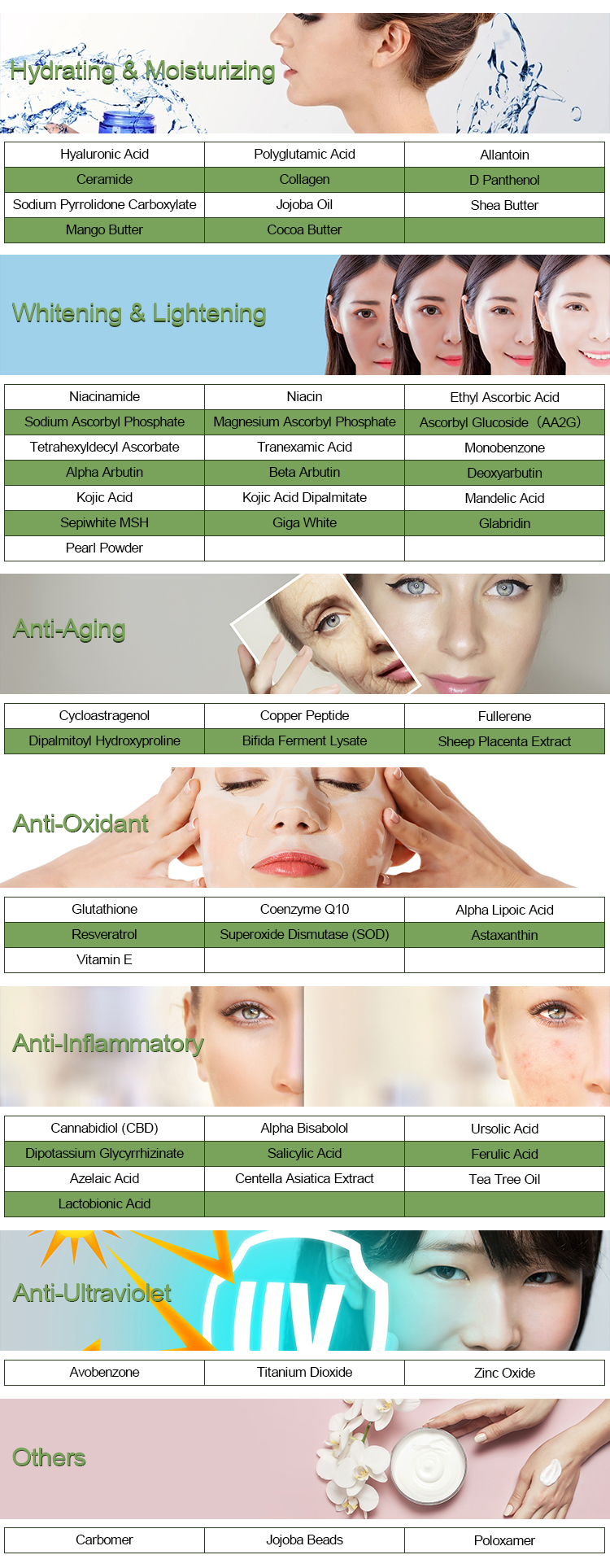
Coenzyme Q10 is synthesized within the human body and is also obtained from dietary sources, primarily from foods like meat, fish, and some plant oils. It’s a vital component for cellular energy production and serves as an important antioxidant, helping to neutralize harmful free radicals and protect cells from oxidative damage.
评论
发表评论