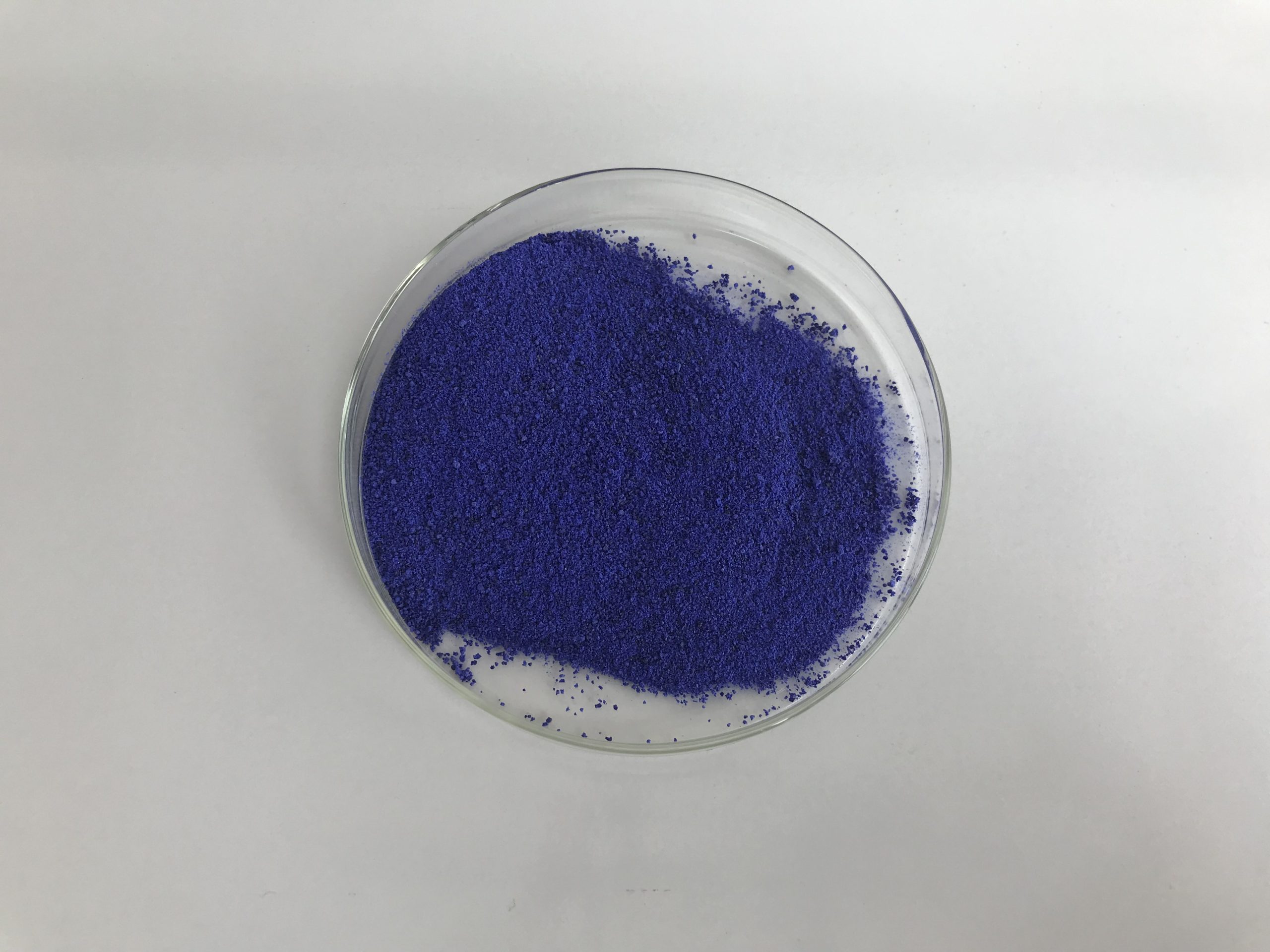
Copper peptide is compound that combine copper ions with small protein fragments called peptides. These compounds have gained attention in the skincare and cosmetic industries due to their potential benefits for skin health and appearance. Here are some of the functions and potential benefits of copper peptides:
Skin Regeneration: Copper peptide is believed to stimulate the production of collagen and elastin, which are essential for maintaining skin’s firmness, elasticity, and overall texture. Collagen and elastin play a significant role in promoting skin regeneration and reducing the appearance of fine lines and wrinkles.
Wound Healing: Copper peptide have been studied for their ability to enhance the wound healing process. They can help in the formation of new blood vessels (angiogenesis) and encourage the growth of skin cells, which is important for healing various types of skin wounds, including scars.
Anti-Inflammatory: Copper peptide might have anti-inflammatory properties that can help soothe irritated or inflamed skin. This can be particularly beneficial for individuals with sensitive or reactive skin.
Antioxidant Activity: Copper is an essential trace element that plays a role in the body’s natural antioxidant defense mechanisms. Copper peptides could contribute to protecting the skin from oxidative stress and free radical damage, which are factors that contribute to premature aging.
Copper Transport: Copper peptide can potentially facilitate the transportation of copper ions to cells, aiding in various enzymatic processes essential for skin health. Copper is involved in the synthesis of melanin, the pigment responsible for skin, hair, and eye color, and this role can have implications for addressing skin discoloration.
Skin Tightening: Due to their collagen-stimulating properties, copper peptide may help improve skin’s tightness and firmness. This effect can contribute to a more youthful appearance.
Hair Health: Some studies suggest that copper peptide might promote hair growth by supporting the health of hair follicles and stimulating blood circulation in the scalp. This could be beneficial for individuals experiencing hair thinning or hair loss.
It’s important to note that while copper peptide have shown promise in various studies and clinical trials, individual results can vary. Skincare products containing copper peptides should be used as part of a comprehensive skincare routine and under the guidance of a dermatologist or skincare professional. Additionally, interactions with other skincare ingredients or medical conditions should be considered before incorporating copper peptide products into your routine. Always conduct a patch test before using any new skincare product to minimize the risk of adverse reactions.
Applications of Copper Peptide
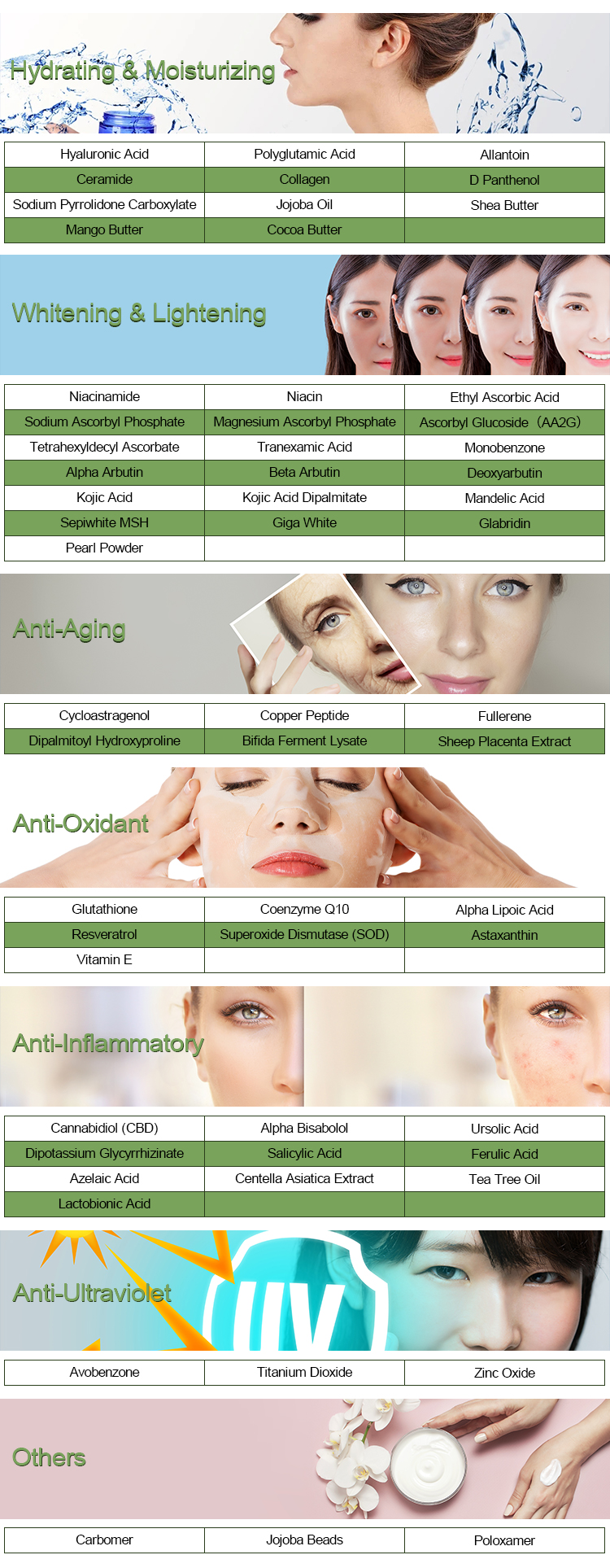
Copper peptide is a type of compound that combines copper with small protein fragments, known as peptides. These compounds have gained attention in the skincare and cosmetic industry due to their potential benefits for skin health. Copper peptides are believed to have several clinical applications, primarily in the field of dermatology and wound healing. It’s important to note that while there is some evidence supporting their use, more research is needed to fully understand their effectiveness and mechanisms of action. Here are some potential clinical applications of copper peptides:
Wound Healing: Copper peptides have been studied for their role in promoting wound healing. They are believed to stimulate the production of collagen and other extracellular matrix components, which are crucial for tissue repair and regeneration. Additionally, copper peptides may have anti-inflammatory properties that can help reduce inflammation at the wound site and improve healing.
Anti-Aging: Copper peptides are often included in skincare products marketed for their anti-aging effects. They are thought to support collagen production and skin elasticity, which can help reduce the appearance of fine lines and wrinkles. Copper peptides may also contribute to skin firmness and overall skin texture.
Skin Repair and Regeneration: Due to their potential to stimulate collagen synthesis and enhance cell turnover, copper peptides are considered beneficial for repairing damaged skin and improving skin texture. They may help reduce the appearance of scars, stretch marks, and uneven skin tone.
Skin Barrier Function: Copper peptides might contribute to strengthening the skin’s natural barrier function. A healthy skin barrier helps protect the skin from environmental factors and prevents moisture loss, which is important for maintaining overall skin health.
Hair Growth: Some studies suggest that copper peptides might play a role in promoting hair growth. They are believed to stimulate hair follicle development and cell proliferation in hair follicles, potentially leading to improved hair density and thickness.
Skin Conditions: Copper peptides have been explored as a potential adjunctive treatment for certain skin conditions, such as dermatitis, psoriasis, and rosacea. Their anti-inflammatory properties may help alleviate symptoms associated with these conditions.
Scar Reduction: Copper peptides may aid in reducing the appearance of scars by promoting collagen remodeling and tissue regeneration. This can lead to improved texture and color of scars over time.
It’s important to note that while copper peptides show promise in these areas, more rigorous clinical studies are needed to establish their efficacy and safety. Different formulations and concentrations of copper peptides may yield varying results, and individual responses can vary. Before using products containing copper peptides, individuals should consult with a dermatologist or healthcare professional, especially if they have any underlying skin conditions or sensitivities.
评论
发表评论