跳至主要内容

The extraction process of Ashwagandha Extract

 Ashwagandha (Withania somnifera) is an ancient medicinal herb commonly used in Ayurvedic medicine. Its roots and leaves are used to produce Ashwagandha extract, which is known for its potential health benefits, including reducing stress, improving cognitive function, and enhancing overall well-being. The extraction process involves several steps to obtain the active compounds from the plant material. Here’s an overview of the typical extraction process:
The extraction process of Ashwagandha Extract

Harvesting: Ashwagandha plants are typically harvested when they reach maturity, which is usually after about four to five months of growth. The roots and leaves are the primary parts used for extraction.

Drying: After harvesting, the plant material is cleaned to remove dirt and other impurities. The roots and leaves are then dried to reduce their moisture content, which helps prevent spoilage during storage and extraction.

Grinding: The dried roots and leaves are finely ground into a coarse powder. This increases the surface area of the plant material, making it easier for the active compounds to be extracted.

Solvent extraction: The ground Ashwagandha powder is then subjected to a solvent extraction process. Commonly used solvents include water, alcohol (ethanol), or a combination of both (hydroalcoholic extraction). Ethanol is often preferred as it can effectively extract both water-soluble and alcohol-soluble compounds.

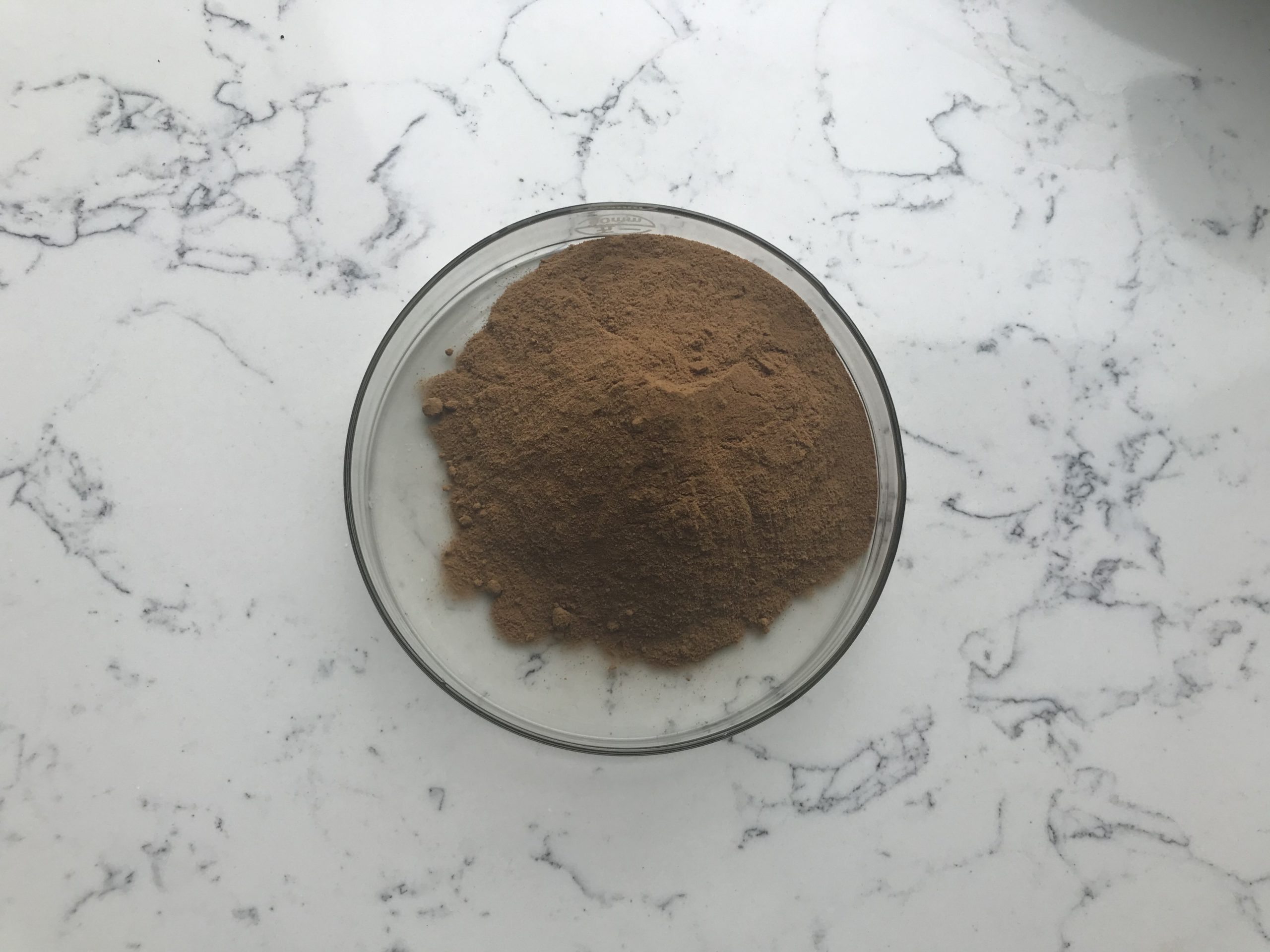
Filtering: After the extraction process, the mixture of solvent and extracted compounds is filtered to remove any remaining solid particles, leaving a crude Ashwagandha extract.
The extraction process of Ashwagandha Extract

Concentration: The crude extract may undergo further processing to concentrate the active compounds. This can be achieved through various methods, such as vacuum evaporation or spray drying, which removes the solvent and leaves behind a more concentrated extract.

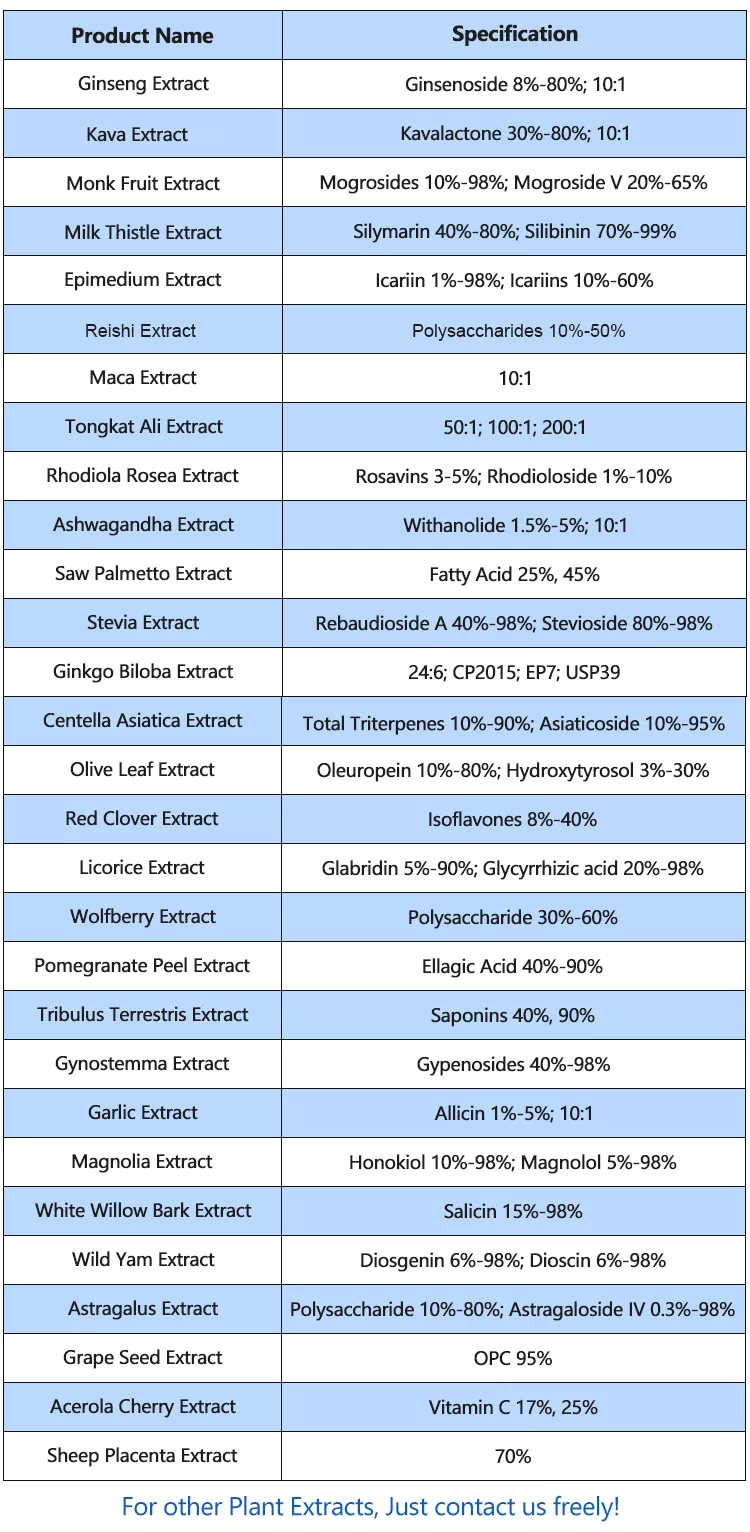
Standardization: To ensure consistency and potency, the extract may be standardized to a specific concentration of key active compounds, such as withanolides, which are believed to be responsible for many of Ashwagandha’s health benefits.

Quality control and testing: Throughout the extraction process, quality control measures are taken to ensure the extract meets safety and efficacy standards. This may include testing for the presence of contaminants and verifying the concentration of active compounds.

Packaging and storage: The final Ashwagandha extract is then packaged in suitable containers and stored in a cool, dry place to maintain its stability and potency.
The extraction process of Ashwagandha Extract

It’s important to note that the extraction process may vary depending on the manufacturer and the intended use of the Ashwagandha extract. Additionally, while Ashwagandha is generally considered safe for most people when used as directed, it’s always best to consult with a healthcare professional before using any herbal supplement, especially if you have existing health conditions or are taking medications.

评论

此博客中的热门博文

Basic information of Collagen and Where you can buy Collagen CAS#9064-67-9?

  Collagen   is the most abundant protein in the human body, making up about 30% of the body’s total protein content. It plays a crucial role in providing structure, strength, and elasticity to various tissues and organs, including the skin, bones, tendons, ligaments, blood vessels, and even the cornea of the eyes. Types of Collagen There are at least 28 types of collagen, but the most common types are: Type I:  The most abundant form, found in skin, bones, tendons, and ligaments. Type II:  Found in cartilage and helps provide joint support. Type III:  Found in the skin, muscles, and blood vessels, often present alongside type I collagen. Type IV:  Found in the layers of the skin and the kidneys. Type V:  Found in the cornea of the eye, hair, and placenta. Structure of Collagen Collagen is made up of amino acids, primarily glycine, proline, and hydroxyproline. These amino acids form a triple-helix structure, which provides the tensile strength and...

Comprehensive study on White Willow Extract

Studying   white willow extract   involves exploring its botanical properties, historical uses, active compounds, potential health benefits, and safety considerations. Here’s a comprehensive overview: Botanical Overview: Scientific Name:  Salix alba Common Names:  White willow, European willow Description:  A deciduous tree native to Europe and Asia, known for its slender leaves and grayish bark. Active Compounds: Salicin:  Primary active compound, a natural precursor to salicylic acid. Flavonoids:  Including flavonols and catechins, contributing to antioxidant properties. Phenolic Glycosides:  Various compounds with potential health benefits. Historical Use: Traditional Medicine:  Used for centuries in traditional European and Asian medicine for pain relief, fever reduction, and inflammatory conditions. Health Benefits and Current Research: Pain Relief:  Acts similarly to aspirin in relieving pain and inflammation due to salicin’s conve...

How best to use the Hericium Erinaceus Capsule?

  Hericium erinaceus, commonly known as lion’s mane mushroom, is a type of edible and medicinal mushroom with potential health benefits. Lion’s mane mushroom is often consumed in various forms, including capsules, powders, extracts, and as a whole food. If you have lion’s mane mushroom in capsule form ( Hericium erinaceus capsule ), here are some tips on how to use them effectively: Follow Dosage Instructions:  The dosage can vary depending on the concentration of the active ingredients in the capsules and individual factors such as age, weight, and health condition. Always follow the recommended dosage instructions provided on the product packaging or by a healthcare professional. Consistency is Key:  Like many supplements, lion’s mane may take time to produce noticeable effects. Consistent use over time is often more effective than sporadic usage. Stick to a regular dosing schedule to maximize the potential benefits. Take with Food:  It’s generally recommended to t...