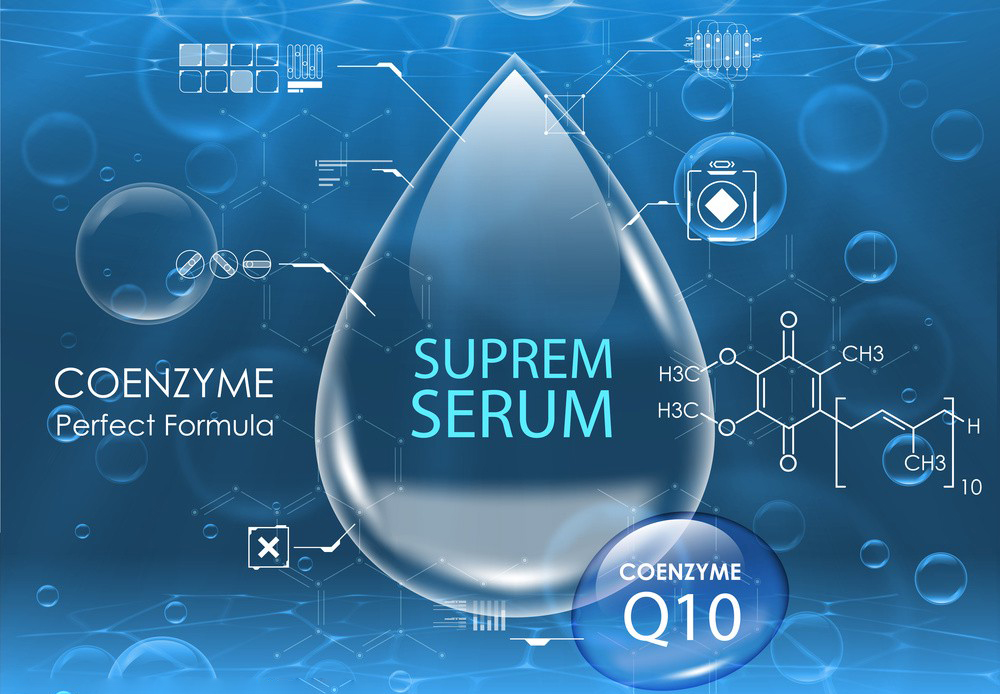
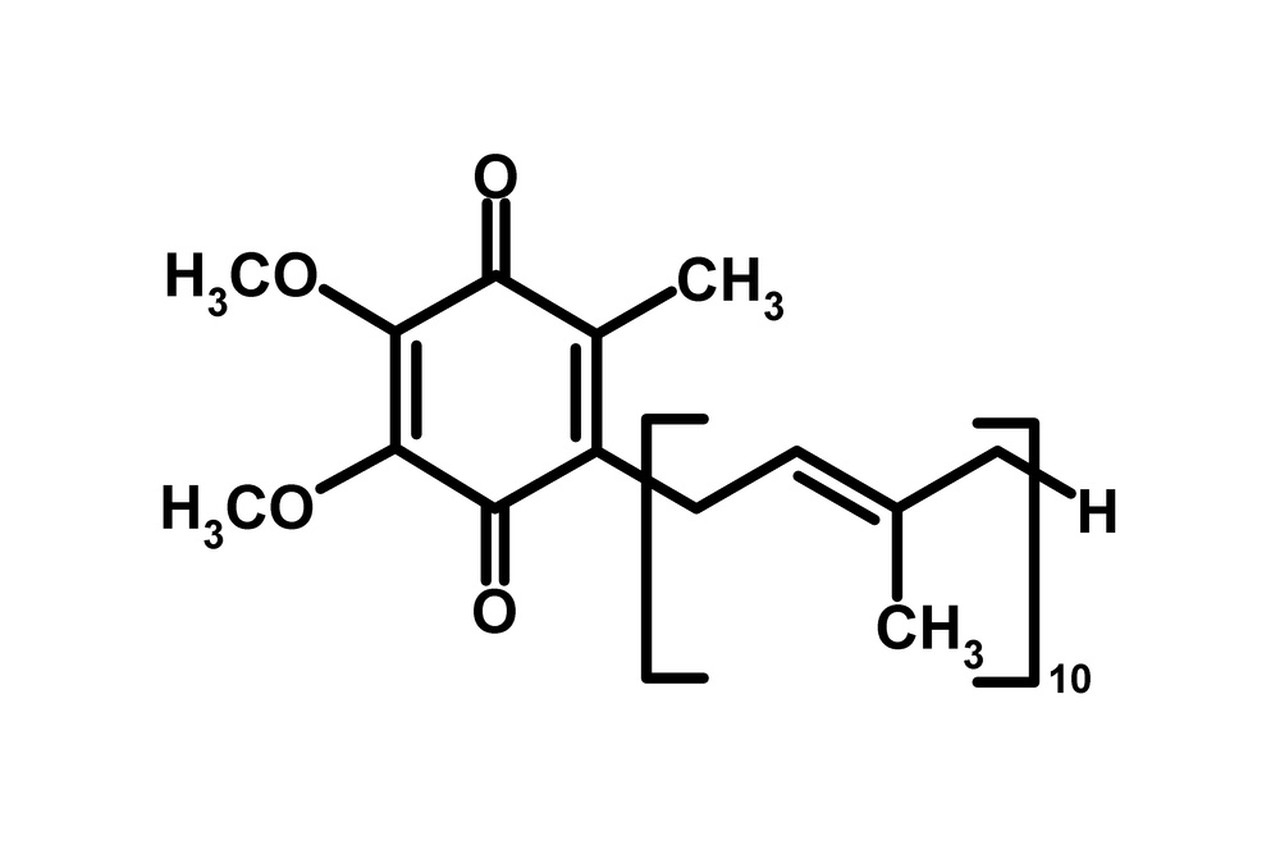
Coenzyme Q10, commonly referred to as CoQ10, is a naturally occurring compound found in the cells of the human body. It plays a vital role in the production of energy within cells and serves as a powerful antioxidant. Coenzyme Q10 is found in various forms, with ubiquinone and ubiquinol being the most common ones. Its efficacy and role have been studied in several areas, including energy production, cardiovascular health, and antioxidant protection.
Energy Production: Coenzyme Q10 is a crucial component of the electron transport chain in mitochondria, the cellular organelles responsible for producing energy in the form of adenosine triphosphate (ATP). It helps transfer electrons and protons within the mitochondria to generate ATP, which is the primary energy currency of the body. Coenzyme Q10’s role in this process makes it essential for overall cellular energy production.
Cardiovascular Health: Coenzyme Q10 has garnered significant attention for its potential role in supporting cardiovascular health. The heart is one of the most energy-demanding organs, and CoQ10’s role in energy production is particularly important for its proper function. Some studies suggest that Coenzyme Q10 supplementation might help improve heart function, reduce oxidative stress, and support overall cardiovascular health. It has been investigated as a potential complementary therapy for conditions such as heart failure, hypertension, and angina.
Antioxidant Protection: Coenzyme Q10 also acts as an antioxidant, helping to neutralize harmful free radicals in the body. Free radicals are highly reactive molecules that can cause cellular damage and contribute to aging, chronic diseases, and various health issues. By neutralizing free radicals, Coenzyme Q10 helps protect cells from oxidative stress and supports the overall health of tissues and organs.
Neurological Health: Some research suggests that Coenzyme Q10 may play a role in maintaining neurological health. It is present in relatively high concentrations in the brain, and there is ongoing investigation into its potential benefits for conditions such as neurodegenerative diseases (e.g., Parkinson’s disease) and migraine headaches.
Exercise Performance and Muscle Health: Coenzyme Q10’s role in energy production can also impact exercise performance and muscle health. Some studies have explored the potential benefits of Coenzyme Q10 supplementation in enhancing exercise capacity, reducing exercise-induced muscle damage, and supporting recovery.
It’s important to note that while Coenzyme Q10 has shown promise in various areas, its efficacy and benefits are still being researched, and not all findings have been consistent across studies. Additionally, the body’s natural production of Coenzyme Q10 decreases with age, and certain medical conditions or medications can also impact Coenzyme Q10 levels.
Individual responses to Coenzyme Q10 supplementation can vary, and it’s advisable to consult with a healthcare professional before starting any supplementation regimen, especially if you have underlying health conditions or are taking other medications. They can help determine whether Coenzyme Q10 supplementation is appropriate for your specific situation and guide you on the appropriate dosage.
The negative impact of the Coenzyme Q10
Coenzyme Q10 (CoQ10) is a naturally occurring compound found in the cells of the body, particularly in the mitochondria, where it plays a crucial role in energy production. Coenzyme Q10 is also available in supplement form and has been promoted for various health benefits. While Coenzyme Q10is generally considered safe for most people when taken at recommended doses, there can be negative impacts associated with its use in certain situations:
Gastrointestinal Disturbances: Some individuals may experience mild gastrointestinal side effects, such as nausea, stomach upset, or diarrhea when taking Coenzyme Q10 supplements. These effects are typically dose-dependent and can often be minimized by taking the supplement with food.
Allergic Reactions: Although rare, some people may be allergic to Coenzyme Q10 and can experience symptoms such as itching, rash, or swelling. If you suspect an allergic reaction, discontinue use and seek medical attention.
Interaction with Medications: Coenzyme Q10 can interact with certain medications, such as blood-thinning drugs like warfarin (Coumadin) and antihypertensive medications. Coenzyme Q10 may enhance the effects of these drugs, potentially leading to complications. It’s essential to consult with a healthcare provider if you are taking any medications and considering Coenzyme Q10 supplementation.
Hypotension (Low Blood Pressure): Coenzyme Q10 has been reported to lower blood pressure in some individuals. While this can be beneficial for those with high blood pressure, it could potentially lead to problems for people with already low blood pressure or those taking antihypertensive medications. Regular monitoring of blood pressure is advisable when using Coenzyme Q10.
Reduced Insulin Sensitivity: There is some evidence to suggest that high doses of Coenzyme Q10 might decrease insulin sensitivity in certain individuals. This could potentially impact blood sugar control, particularly in people with diabetes. It’s crucial for individuals with diabetes to consult their healthcare provider before using Coenzyme Q10 supplements.
Interference with Surgery: Coenzyme Q10 may have blood-thinning properties, which could increase the risk of bleeding during surgery. If you are scheduled for surgery, it’s important to inform your healthcare provider about any supplements you are taking, including Coenzyme Q10.
Limited Scientific Evidence: While Coenzyme Q10 is widely promoted for various health conditions, the scientific evidence supporting many of these claims is often limited or inconclusive. Therefore, relying solely on Coenzyme Q10 supplements for the treatment of specific health issues may not always be effective.
Cost: Coenzyme Q10 supplements can be relatively expensive, especially if taken over an extended period. It’s essential to weigh the potential benefits against the cost when considering Coenzyme Q10 supplementation.
In conclusion, while Coenzyme Q10 is generally well-tolerated and safe for most individuals when taken as directed, it’s crucial to consult with a healthcare provider before starting any new supplement regimen, especially if you have underlying health conditions or are taking medications. They can provide personalized guidance on whether Coenzyme Q10 is appropriate for you and at what dosage. Always follow the recommended dosage instructions on the product label to minimize potential negative effects.
评论
发表评论