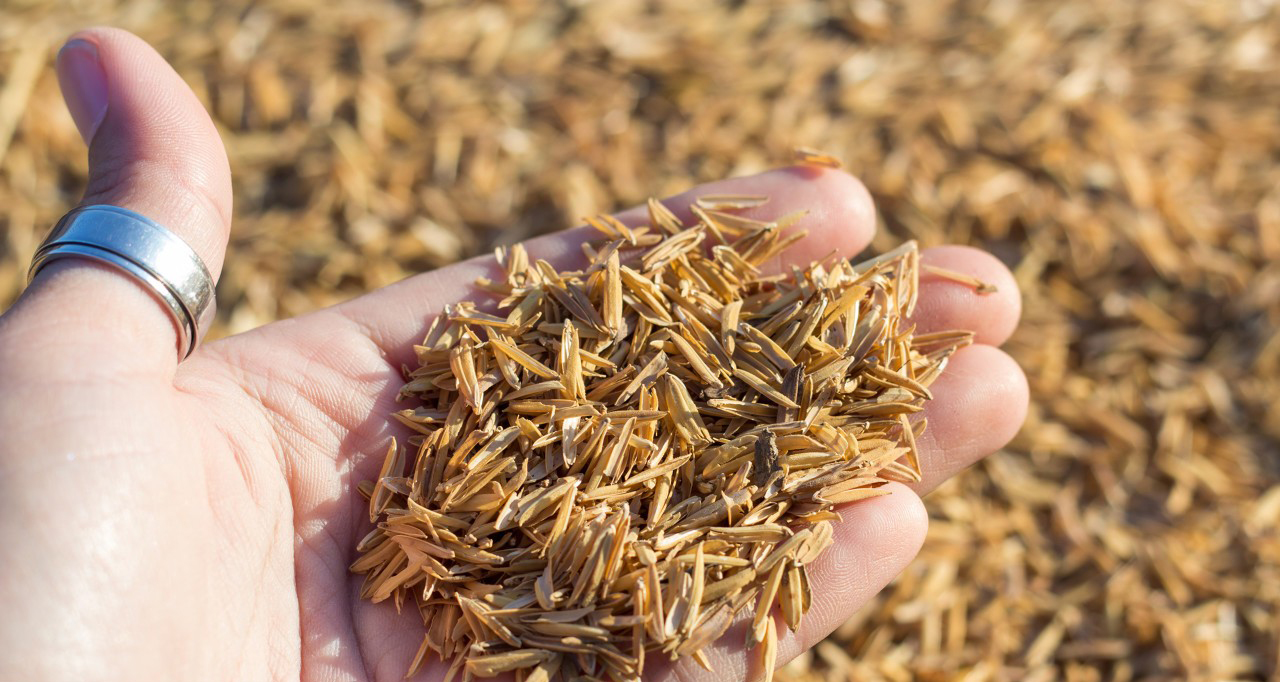
Ferulic acid is a phenolic compound that belongs to the group of hydroxycinnamic acids. It is widely distributed in the plant kingdom and is commonly found in fruits, vegetables, grains, and other plant-based foods. Ferulic acid is known for its antioxidant and potential health-promoting properties, and it has been the subject of comprehensive research across various fields.
The comprehensive research of Ferulic Acid
Antioxidant Properties: Ferulic acid is a potent antioxidant that helps neutralize harmful free radicals in the body. Free radicals can cause oxidative stress, which is associated with various chronic diseases, including cardiovascular diseases, cancer, and neurodegenerative disorders. Ferulic acid’s antioxidant properties contribute to its potential protective effects against these diseases.
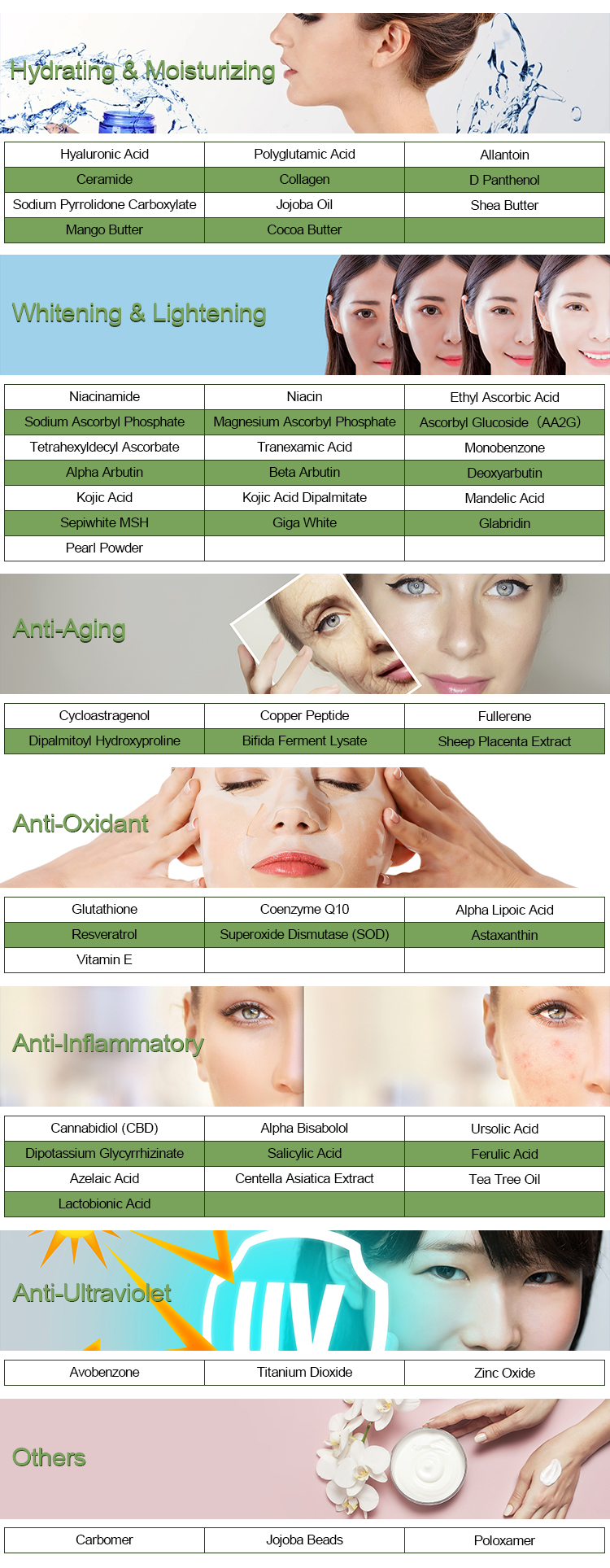
Skin Health: Ferulic acid is often used in skincare products due to its ability to protect the skin from the damaging effects of UV radiation and oxidative stress. It is commonly combined with vitamins C and E to enhance its antioxidant effects and improve skin health.
Neuroprotective Effects: Some studies suggest that ferulic acid may have neuroprotective properties. It has been investigated for its potential to mitigate neurodegenerative diseases such as Alzheimer’s and Parkinson’s by reducing oxidative stress and inflammation in the brain.
Cardiovascular Health: Research indicates that ferulic acid may have positive effects on cardiovascular health. It may help lower blood pressure, reduce cholesterol levels, and improve blood vessel function, thereby reducing the risk of heart diseases.
Anti-Inflammatory Effects: Ferulic acid has been shown to exhibit anti-inflammatory effects by inhibiting various inflammatory pathways. Chronic inflammation is a contributing factor to many diseases, so its anti-inflammatory properties are of interest in preventing and managing inflammatory conditions.
Cancer Prevention: Some studies suggest that ferulic acid might have anticancer properties. It has been investigated for its potential to inhibit the growth of cancer cells and induce apoptosis (cell death) in various types of cancer. However, more research is needed in this area to fully understand its mechanisms and potential applications.
Diabetes Management: Ferulic acid has been explored for its potential to improve insulin sensitivity and manage diabetes. It may help regulate blood glucose levels and reduce insulin resistance, though more research is needed to establish its effectiveness in clinical settings.
Wound Healing: Ferulic acid’s antioxidant and anti-inflammatory properties could contribute to its role in wound healing. Some studies suggest that it might promote tissue regeneration and wound closure.
Food Preservation: Ferulic acid is naturally present in various foods and has been investigated for its potential to extend the shelf life of perishable foods due to its antioxidant and antimicrobial properties.
Agricultural Applications: Ferulic acid has been studied in agricultural research for its role in plant defense mechanisms against environmental stressors and pathogens.
It’s important to note that while ferulic acid shows promising potential in various areas, further research is needed to fully understand its mechanisms of action and to determine optimal doses for therapeutic applications. As with any compound, individual responses can vary, and it’s advisable to consult with a healthcare professional before incorporating ferulic acid supplements or products into your routine, especially if you have underlying health conditions or are taking other medications.
评论
发表评论