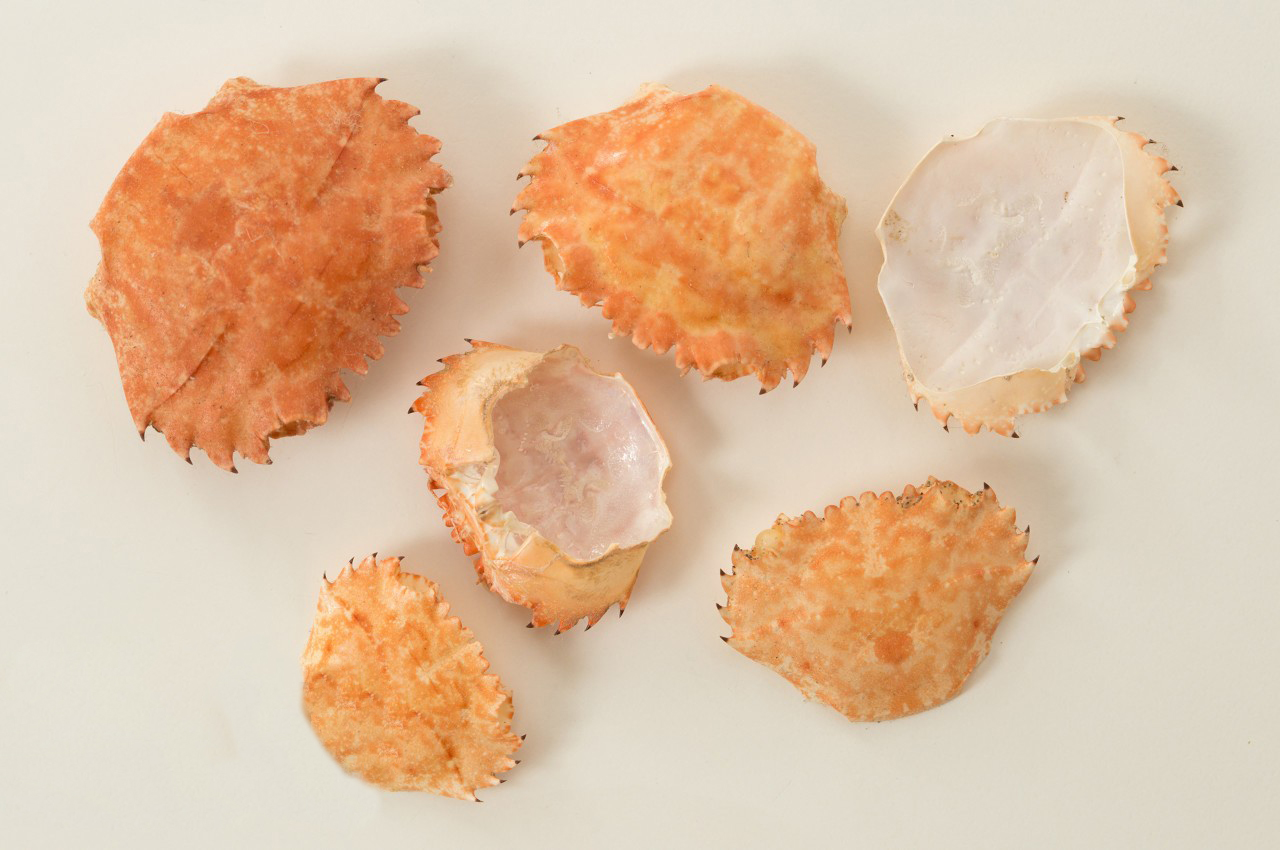
Chitosan is a biopolymer derived from chitin, which is found in the shells of crustaceans such as shrimp and crabs, as well as in the cell walls of fungi. It has gained significant attention in various fields due to its unique properties and potential applications. Here’s a comprehensive overview of chitosan based on information available up to September 2021:
Structure and Properties of Chitosan:
Chitosan is derived from chitin through deacetylation, a chemical process that removes acetyl groups from chitin molecules. The resulting chitosan molecule is a linear polysaccharide composed of glucosamine and N-acetylglucosamine units. The degree of deacetylation (DD) determines the ratio of these two units, affecting the properties of chitosan. Chitosan is biodegradable, biocompatible, non-toxic, and possesses unique biological, chemical, and physical properties.
Applications of Chitosan:
Chitosan has a wide range of potential applications across various fields:
- Pharmaceuticals and Biomedicine: Chitosan has been explored for drug delivery, wound healing, tissue engineering, and as an antimicrobial agent.
- Agriculture: Chitosan is used as a natural, environmentally friendly pesticide and plant growth enhancer. It can also improve soil quality and water retention.
- Food and Beverages: Chitosan is employed as a food preservative, clarifying agent for juices and wines, and a fat and cholesterol binder.
- Cosmetics and Skincare: Chitosan is included in skincare products for its moisturizing and anti-aging properties.
- Textiles: Chitosan can be used to enhance the properties of textiles, including antimicrobial and water-repellent features.
- Water Treatment: Chitosan is being investigated for its potential to remove heavy metals and other pollutants from water.
- Biotechnology: Chitosan is used in chromatography, DNA purification, and enzyme immobilization.
Research Areas of Chitosan:
Research on chitosan covers a broad range of topics, including:
- Chitosan Modification: Researchers have been working on modifying chitosan’s properties through chemical, physical, and enzymatic methods to tailor it for specific applications.
- Nanoparticles and Nanocomposites: Chitosan nanoparticles and nanocomposites have been developed for drug delivery, tissue engineering scaffolds, and other biomedical applications.
- Biological Effects: Studies have explored chitosan’s effects on wound healing, tissue regeneration, and antimicrobial activity.
- Environmental Applications: Chitosan’s ability to adsorb heavy metals, dyes, and other pollutants from water has been extensively studied for potential environmental remediation.
- Food Preservation: Research has investigated chitosan’s role in extending the shelf life of foods through its antimicrobial and antioxidant properties.
Challenges and Future Directions:
While chitosan shows great promise, several challenges remain, including:
- Consistency of Properties: Variability in chitosan’s properties based on the source and processing methods can impact its effectiveness in different applications.
- Biocompatibility and Toxicity: Further research is needed to fully understand the biocompatibility and potential toxicity of chitosan, especially in medical applications.
- Regulatory Approval: Regulatory approval and standardization are necessary for chitosan-based products to gain widespread acceptance in various industries.
- Cost-effectiveness: Chitosan’s production cost and availability could limit its adoption in certain applications.
Chitosan continues to be an active area of research, and its applications are expanding as scientists discover new ways to leverage its unique properties. For the most up-to-date information, it’s recommended to refer to recent scientific literature and research publications.
评论
发表评论