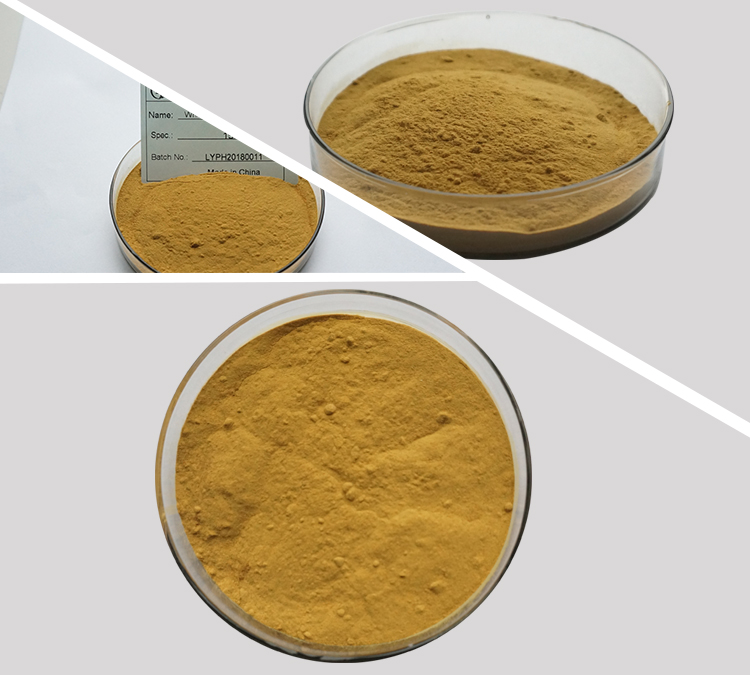
White willow extract, also known as Salix alba extract, is derived from the bark of the white willow tree. The primary active ingredient in white willow extract is salicin, which is a natural precursor to salicylic acid. Salicin is responsible for the therapeutic properties associated with white willow extract. Other components found in white willow extract can include flavonoids, polyphenols, and various plant acids, which may contribute to its overall effects and benefits.
Here are the basic ingredients typically found in white willow extract:
1.Salicin: This compound is the main active ingredient in white willow extract. It acts similarly to aspirin in the body, providing anti-inflammatory and pain-relieving effects.
2.Flavonoids: These are antioxidants found in many plant-based foods and extracts. In white willow extract, flavonoids contribute to its antioxidant properties, which can help protect cells from damage.
3.Polyphenols: Another group of antioxidants, polyphenols are known for their potential health benefits, including anti-inflammatory effects.
4.Plant acids: These include substances like salicylic acid (derived from salicin), which has anti-inflammatory and exfoliating properties when applied topically.

These ingredients work synergistically to provide the health benefits associated with white willow extract, particularly in terms of reducing pain and inflammation.
Potential Benefits of White Willow Extract
White willow extract, derived from the bark of the white willow tree (Salix alba), has been historically used for its medicinal properties, primarily due to its active ingredient salicin, which is similar to aspirin in its effects. Here are some potential benefits associated with white willow extract:
1.Pain Relief: Salicin in white willow extract has anti-inflammatory properties and is often used to alleviate pain, particularly in conditions like osteoarthritis and lower back pain. It may help reduce pain and improve mobility.
2.Anti-inflammatory Effects: Salicin and other compounds in white willow extract can help reduce inflammation throughout the body. This can be beneficial for conditions involving inflammation, such as rheumatoid arthritis.
3.Fever Reduction: Historically, white willow bark was used to reduce fevers, similar to how aspirin is used today. Its antipyretic properties can help lower body temperature during febrile illnesses.
4.Skin Health: Some topical formulations containing white willow extract are used for treating acne, as it has astringent and anti-inflammatory effects that may help reduce acne-related inflammation and redness.
5.Heart Health: There is some evidence suggesting that the anti-inflammatory properties of white willow extract might benefit cardiovascular health by reducing inflammation in blood vessels.
6.Headache Relief: Due to its similarity to aspirin, white willow extract is sometimes used to relieve headaches, including tension headaches and migraines.
7.Digestive Aid: In traditional medicine, white willow bark has been used to relieve digestive disorders, such as diarrhea and dyspepsia (indigestion), although scientific evidence is limited in this area.
8.Antioxidant Properties: White willow extract contains flavonoids and polyphenolic compounds that have antioxidant effects, which can help protect cells from oxidative stress and damage.
It’s important to note that while white willow extract offers these potential benefits, it can also cause side effects and interact with certain medications, similar to aspirin. Individuals with allergies to aspirin or salicylates, as well as those on blood-thinning medications or with certain medical conditions, should consult with a healthcare provider before using white willow extract. As with any supplement or herbal remedy, moderation and proper usage are key to safely harnessing its potential benefits.
评论
发表评论