Ferulic acid is a naturally occurring compound found in the cell walls of plants, especially in grains like rice, wheat, and oats, as well as in fruits and vegetables. It belongs to the group of compounds known as hydroxycinnamic acids and is known for its antioxidant and anti-inflammatory properties.
Application of Ferulic Acid
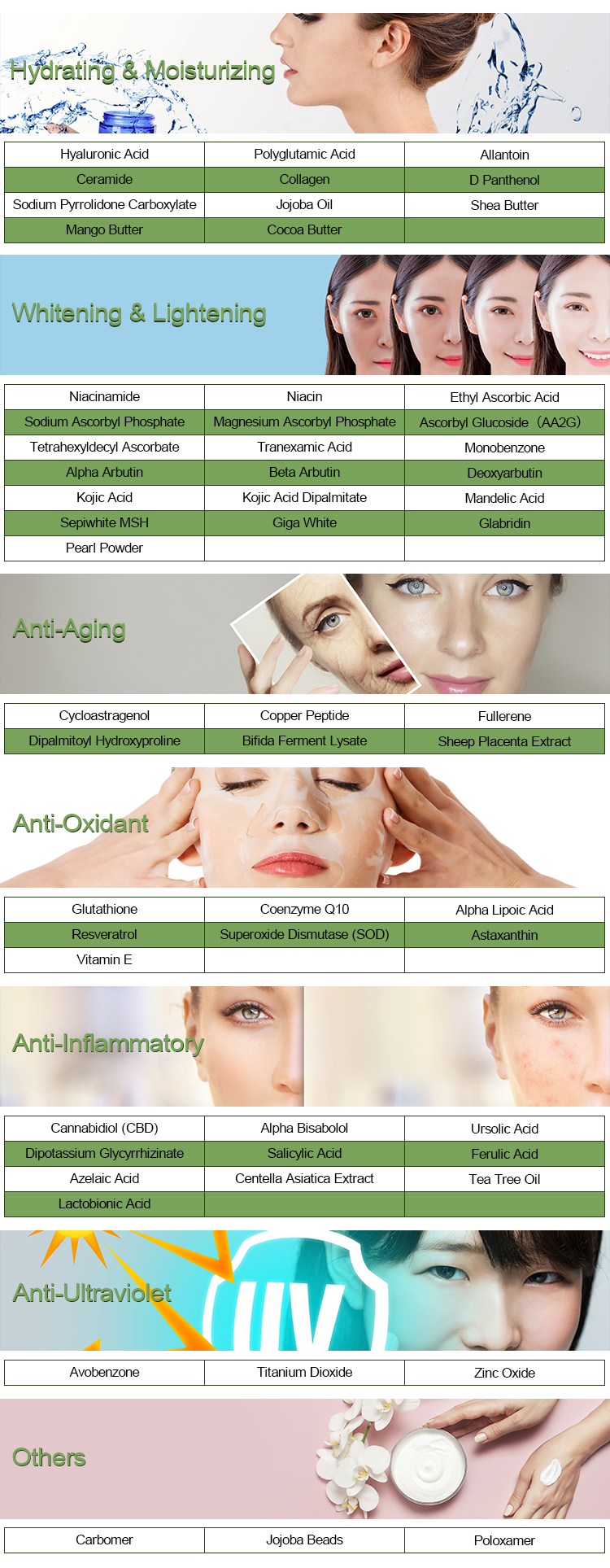
Cosmetics and Skincare: Ferulic acid is often used in skincare products, especially in combination with other antioxidants like vitamins C and E. It helps to stabilize and enhance the effectiveness of these antioxidants, providing protection against free radical damage and UV radiation. It’s known to reduce the signs of aging, improve skin texture, and promote an even skin tone.
Dietary Supplements: Ferulic acid is used as a dietary supplement due to its potential health benefits. It is believed to have antioxidant properties that can help protect cells from oxidative stress, which is linked to various chronic diseases. Some studies suggest that ferulic acid might have potential benefits for heart health, diabetes management, and inflammation reduction.
Food Preservation: Ferulic acid’s antioxidant properties make it useful in extending the shelf life of certain foods. It can act as a natural preservative by inhibiting oxidation and the growth of spoilage microorganisms in foods.
Pharmaceuticals: Ferulic acid has been studied for its potential therapeutic effects in various medical conditions. It might have anti-inflammatory, anti-cancer, and neuroprotective properties. However, more research is needed to fully understand its mechanisms and potential applications in the pharmaceutical field.
Hair Care: Some hair care products incorporate ferulic acid to promote hair health and strength. It is believed to contribute to hair growth and prevent damage caused by environmental factors.
Plant Protection: Ferulic acid occurs naturally in plants as a defense mechanism against pathogens and environmental stress. It has been explored for its potential in enhancing plant resistance to diseases and pests.
Food and Beverages: Ferulic acid is present in some food sources and contributes to the flavor and aroma of certain foods. It’s also used in the production of certain beverages, like wine, where it plays a role in the aging process and contributes to the sensory characteristics of the final product.
It’s important to note that while ferulic acid holds promise in various applications, more research is needed to fully understand its effects, mechanisms of action, and potential interactions with other compounds. As with any bioactive compound, its application should be based on scientific evidence and regulatory guidelines.
Pharmacological effect of Ferulic Acid
Ferulic acid is a type of organic compound that belongs to the phenolic acid family. It is commonly found in various plants, especially in grains like rice, wheat, and oats, as well as in fruits and vegetables. Ferulic acid is known to possess several pharmacological effects, making it of interest in both traditional and modern medicine. Some of the key pharmacological effects of ferulic acid include:
Antioxidant Activity: Ferulic acid is a potent antioxidant that helps protect cells and tissues from oxidative stress caused by free radicals. Its antioxidant properties make it beneficial for combating various diseases and conditions associated with oxidative damage, including cardiovascular diseases, neurodegenerative disorders, and cancer.
Anti-Inflammatory Properties: Ferulic acid has demonstrated anti-inflammatory effects by modulating various inflammatory pathways and reducing the production of pro-inflammatory cytokines. This property makes it potentially useful in managing conditions characterized by chronic inflammation, such as arthritis and inflammatory bowel disease.
Cardioprotective Effects: Ferulic acid has been shown to have a positive impact on cardiovascular health. It can help reduce cholesterol levels, inhibit platelet aggregation, and improve blood vessel function. These effects collectively contribute to lowering the risk of cardiovascular diseases like atherosclerosis, heart attacks, and strokes.
Neuroprotective Effects: Studies suggest that ferulic acid might have neuroprotective effects by influencing various mechanisms in the brain. It can potentially protect against neurodegenerative disorders like Alzheimer’s disease and Parkinson’s disease due to its antioxidant and anti-inflammatory properties.
Anticancer Potential: Ferulic acid has been investigated for its potential to inhibit the growth of cancer cells and induce apoptosis (programmed cell death) in various types of cancer. It’s believed to work by interfering with the signaling pathways that support cancer cell survival and proliferation.
Wound Healing: Ferulic acid’s antioxidant and anti-inflammatory properties make it beneficial for wound healing. It can accelerate tissue repair and reduce inflammation at the wound site.
Skin Health: Due to its antioxidant and UV-absorbing properties, ferulic acid is commonly used in skincare products for its ability to protect the skin from UV-induced damage and help prevent signs of aging, such as wrinkles and fine lines.
Diabetes Management: Some studies suggest that ferulic acid may play a role in improving insulin sensitivity and glucose metabolism, potentially aiding in the management of diabetes.
It’s important to note that while ferulic acid shows promise in various pharmacological effects, more research is needed to fully understand its mechanisms of action and its potential applications in clinical settings. As with any natural compound, individual responses can vary, and it’s advisable to consult with a healthcare professional before using ferulic acid supplements or products for medicinal purposes.
评论
发表评论