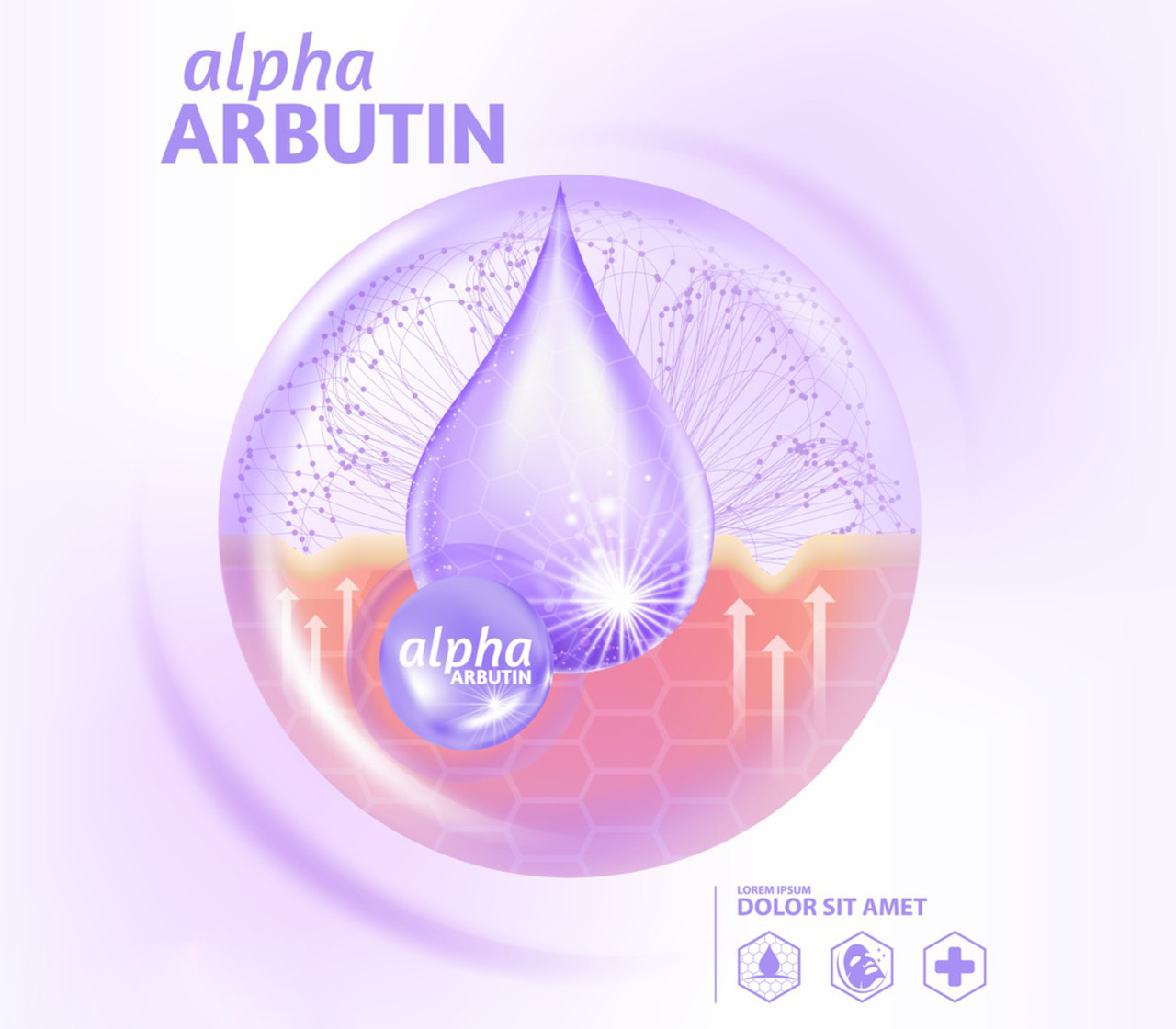
Alpha arbutin is a synthetic compound that is commonly used in the skincare industry for its potential benefits in addressing various skin concerns. It is a derivative of hydroquinone and is often used as an alternative to hydroquinone, which has been associated with certain safety concerns. Alpha arbutin is primarily used for its skin-brightening and pigmentation-reducing properties.
Applications of Alpha Arbutin
Hyperpigmentation Treatment: Alpha arbutin is known for its ability to inhibit the production of melanin in the skin. This makes it effective in reducing the appearance of hyperpigmentation, such as dark spots, age spots, melasma, and post-inflammatory hyperpigmentation.
Skin Brightening: Alpha arbutin is used to promote a more even and radiant skin tone by reducing the appearance of dark spots and blemishes. It can help achieve a brighter complexion.
Melasma Management: Melasma is a common skin condition characterized by dark patches on the face. Alpha arbutin is often included in products designed to manage melasma and improve the appearance of these dark patches.
Sun Damage Repair: Overexposure to the sun can lead to the development of sunspots and uneven skin tone. Alpha arbutin can be used to fade sun-induced pigmentation and improve the skin’s overall texture.
Acne Scars and Blemishes: Alpha arbutin may help in fading the appearance of acne scars and post-acne blemishes, although it may not be as effective as other ingredients like niacinamide or alpha hydroxy acids (AHAs).
Skin Lightening: Alpha arbutin is sometimes used as a skin-lightening agent in some cosmetic products. However, it’s essential to use it cautiously and responsibly, as excessive skin lightening can have adverse effects.
Anti-Aging: By promoting a more even and youthful complexion, alpha arbutin can be a component in anti-aging skincare routines, as it helps reduce the appearance of age-related skin discolorations.
It’s important to note that the effectiveness of alpha arbutin can vary from person to person, and results may take time to become visible. Additionally, it’s essential to use products containing alpha arbutin as directed and to incorporate them into a broader skincare routine that includes sunscreen to protect the skin from further pigmentation.
Consulting with a dermatologist or skincare professional is advisable before using any new skincare products, especially if you have specific skin concerns or conditions. They can provide personalized recommendations and guidance on the most suitable products and ingredients for your skin type and concerns.
The negative impact of the Alpha Arbutin
Alpha arbutin is a naturally occurring compound found in various plant sources, including bearberry plants, that is often used in skincare products for its potential skin-brightening and dark spot-reducing properties. While alpha arbutin is generally considered safe and effective for many people, there can be potential negative impacts and side effects associated with its use. It’s important to note that individual experiences may vary, and not everyone will experience these effects. Some potential negative impacts of alpha arbutin may include:
Skin Irritation: Alpha arbutin may cause skin irritation, redness, or peeling, particularly in individuals with sensitive skin. It’s important to conduct a patch test before using any skincare product containing alpha arbutin to determine how your skin may react.
Allergic Reactions: Some people may be allergic to alpha arbutin or other ingredients in skincare products. Allergic reactions can manifest as itching, hives, or redness. If you experience these symptoms, discontinue use and consult a dermatologist.
Uneven Skin Tone: In rare cases, prolonged or excessive use of alpha arbutin may lead to an uneven skin tone or lightening of the surrounding skin, creating a “halo effect” around dark spots. This effect is more likely with overuse of the product.
Ineffectiveness for Some Skin Types: Alpha arbutin may not be as effective for all skin types or pigmentation issues. Other skin-lightening ingredients, such as hydroquinone or kojic acid, may be more suitable for certain conditions.
Slow Results: Alpha arbutin may take time to produce noticeable results. Some users may need to use the product consistently for several weeks or even months to see improvements in skin tone and dark spots.
Sun Sensitivity: Alpha arbutin can make the skin more sensitive to the sun. It’s important to use sunscreen and protective measures when using products containing alpha arbutin to avoid sunburn and further skin damage.
Limited Research: While alpha arbutin is generally considered safe, there is limited long-term research on its safety and effectiveness. More extensive studies are needed to confirm its long-term impacts.
To mitigate the potential negative impacts of alpha arbutin, it’s important to follow the manufacturer’s instructions, use the product in moderation, conduct a patch test, and discontinue use if you experience adverse effects. If you have concerns about your skin or are considering using alpha arbutin for specific skin issues, it’s a good idea to consult a dermatologist for personalized advice and recommendations.
From cellsbio health technology co.,ltd
评论
发表评论